

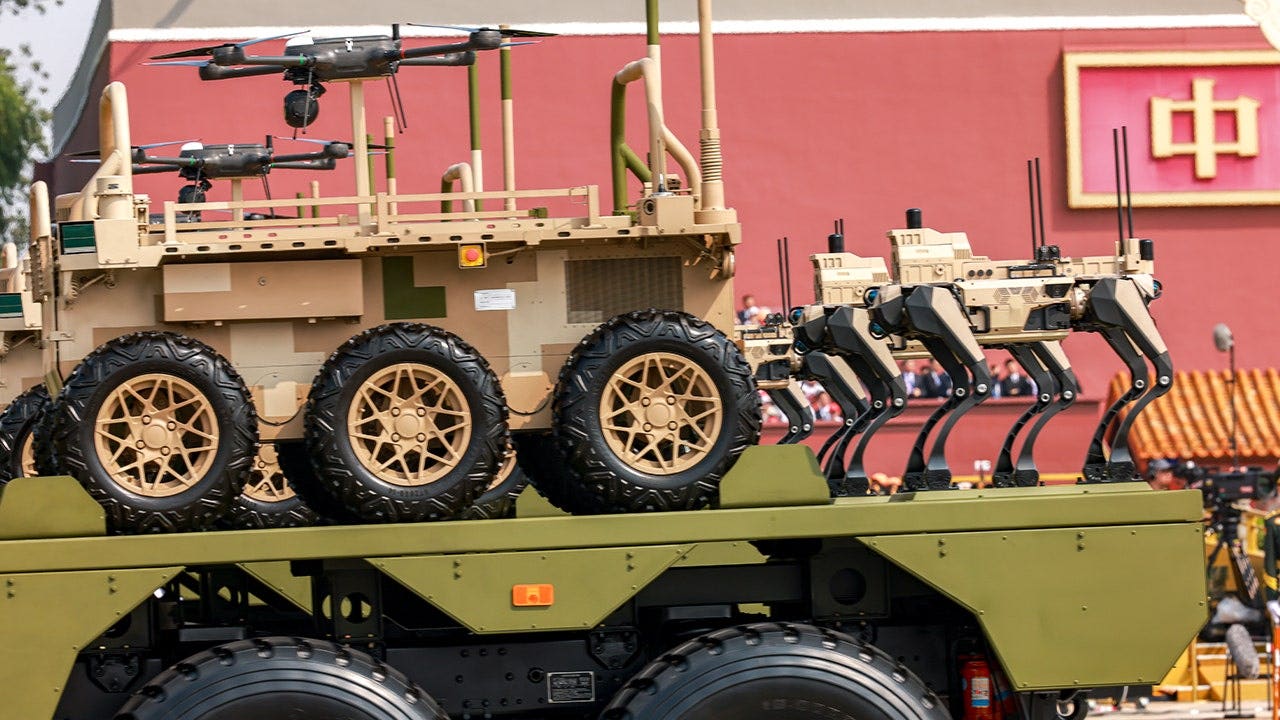
The Rise of China’s AI ‘Wolf Pack’ Drone Technology
China has developed an advanced artificial intelligence drone system dubbed the "wolf pack," specifically designed with potential Taiwan conflict scenarios in mind. This revolutionary military technology represents a significant leap in autonomous warfare capabilities and has drawn intense scrutiny from international military analysts.
What Are Wolf Pack Drones?
The wolf pack drone system refers to coordinated swarms of unmanned aerial vehicles (UAVs) that operate using sophisticated AI algorithms. Unlike traditional drones that require individual operators, these autonomous systems can communicate, coordinate, and execute complex military missions without direct human intervention.
Key characteristics of China’s wolf pack drones include:
- Swarm Intelligence: Multiple drones work together as a unified system, sharing real-time data and adapting to changing battlefield conditions
- Autonomous Decision-Making: AI algorithms enable drones to identify targets, navigate complex environments, and execute tactical maneuvers independently
- Mass Deployment Capability: The system can deploy large numbers of drones simultaneously, overwhelming traditional defense systems
- Network-Centric Operations: Drones maintain constant communication with each other and command centers
Taiwan Conflict Considerations
Military experts believe China’s wolf pack drone technology has been specifically engineered to address the unique challenges of a potential Taiwan Strait conflict. The strategic implications are significant:
Overcoming Air Defense Systems
Taiwan maintains one of the most sophisticated air defense networks in the world, including advanced missile systems and fighter jets. The wolf pack drone strategy aims to overwhelm these defenses through mass saturation attacks, making it impossible for traditional defense systems to intercept all incoming threats.
Intelligence, Surveillance, and Reconnaissance
AI-powered drone swarms can provide unprecedented situational awareness. These autonomous systems can conduct continuous surveillance, track military movements, and feed real-time intelligence back to command centers, giving Chinese forces a significant informational advantage.
Precision Strikes
The AI systems enable pinpoint accuracy in targeting critical infrastructure, military installations, and naval assets. Swarm drones can coordinate complex attack patterns that maximize damage while minimizing the risk of interception.
International Concerns and Implications
The development of autonomous drone swarm technology has raised serious concerns among international military analysts and policymakers. Key issues include:
- Escalation Risks: Autonomous weapons systems could lower the threshold for military conflict
- Accountability Questions: Determining responsibility for AI-driven military decisions remains a significant legal and ethical challenge
- Arms Race Dynamics: Other nations may accelerate their own autonomous weapons programs in response
- Civilian Safety: Concerns about AI systems’ ability to distinguish between military and civilian targets
Technical Capabilities and Specifications
While specific technical details remain classified, analysts have identified several capabilities likely incorporated into China’s wolf pack system:
Advanced AI Algorithms
The core of the wolf pack system lies in its machine learning capabilities. These algorithms enable drones to:
- Optimize formation flying in real-time
- Self-organize after losing contact with other units
- Prioritize targets based on mission parameters
- Adapt to enemy countermeasures dynamically
Communication Networks
Robust communication infrastructure allows drone swarms to maintain coordination even in contested electromagnetic environments. This includes satellite links, mesh networking, and redundant communication pathways.
The Future of Autonomous Warfare
China’s wolf pack drone system represents a paradigm shift in military technology. As AI capabilities continue to advance, autonomous drone swarms will likely become central to modern warfare strategies.
The development of these systems underscores the urgent need for international discussions on regulating autonomous weapons. The technology presents both significant military advantages and profound ethical questions that society must address.
For Taiwan and its allies, the wolf pack threat represents a new strategic challenge that will require innovative defensive solutions. The arms race in autonomous military technology shows no signs of slowing down, making this one of the most critical areas of military development in the 21st century.

Comments are closed, but trackbacks and pingbacks are open.