

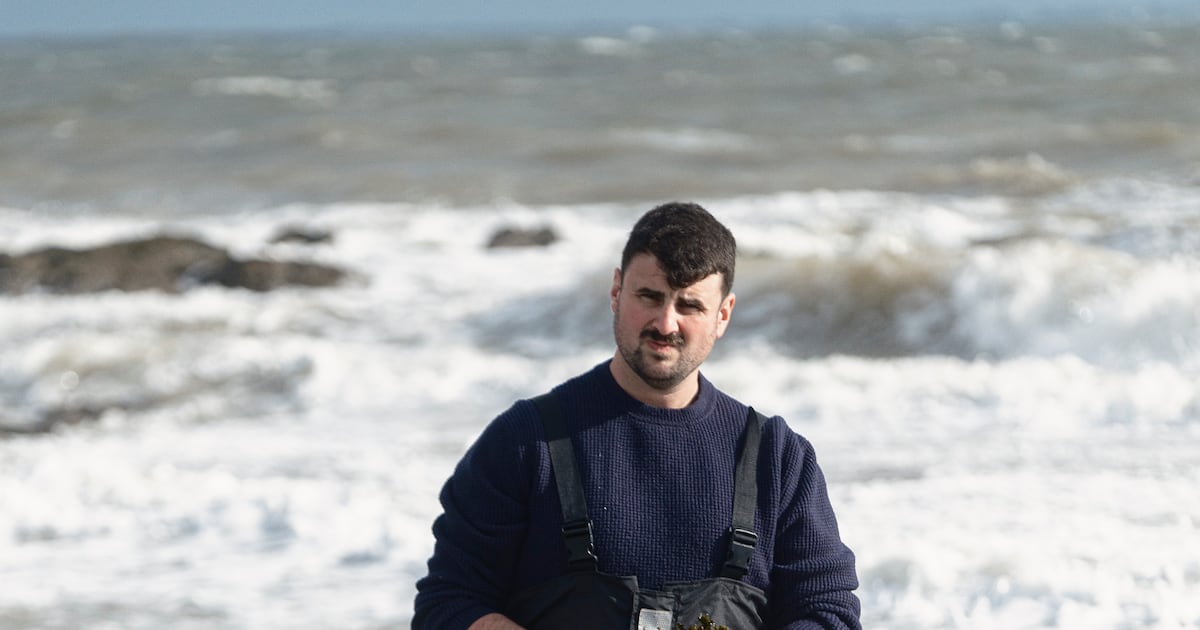
The Rising Tide of Irish Seaweed Farming
Ireland’s coastline has long been celebrated for its rich marine ecosystems, but one Galway-based startup is now turning the nation’s abundant waters into a thriving business opportunity. With the global demand for sustainable superfoods reaching unprecedented heights, this innovative company is positioning itself at the forefront of a green revolution in aquaculture.
Seaweed farming represents one of the most promising frontiers in sustainable food production. Unlike traditional land-based agriculture, seaweed cultivation requires no freshwater, no arable land, and no fertilizers. It simply grows in the ocean, absorbing nutrients naturally while simultaneously helping to combat ocean acidification and excess nutrient runoff.
Why Seaweed Farming Makes Economic Sense
The economics of seaweed farming are becoming increasingly attractive for entrepreneurs and investors alike. Here’s what makes this sector particularly compelling:
- Low overhead costs: Once established, seaweed farms require minimal ongoing investment compared to traditional agriculture
- Rapid growth rates: Many seaweed species can grow up to 30 centimeters per month during peak season
- Multiple revenue streams: Seaweed can be sold as food, used in cosmetics, processed into biofuels, or transformed into agricultural biostimulants
- Government support: The Irish government has identified marine biotechnology as a key growth sector
- Climate benefits: Seaweed absorbs carbon dioxide and produces oxygen, making it an environmentally friendly crop
Innovation at the Core
The Galway startup is distinguishing itself through technological innovation. By leveraging data analytics and environmental monitoring systems, they’re optimizing growing conditions to maximize yield while maintaining ecological sustainability. Their approach combines traditional maritime knowledge with cutting-edge aquaculture techniques.
"We’re not just farming seaweed," explained the company’s founder. "We’re building a complete ecosystem that benefits both the environment and the local economy. Our methods are designed to create long-term profitability while preserving marine biodiversity."
Market Opportunities and Growth Potential
The global seaweed market is projected to reach unprecedented levels over the coming decade. Several factors are driving this explosive growth:
Food Industry Demand
As consumers increasingly seek plant-based proteins and nutritious whole foods, seaweed has emerged as a superfood powerhouse. Rich in vitamins, minerals, and antioxidants, it’s finding its way into everything from snack foods to gourmet restaurant dishes.
Cosmetic and Pharmaceutical Applications
The bioactive compounds found in seaweed have made it a prized ingredient in skincare products and potential pharmaceutical applications. This represents a high-value market segment with significant profit margins.
Agricultural Innovation
Seaweed-based fertilizers and soil amendments are gaining traction among sustainable farmers. These products improve crop yields while reducing the need for chemical fertilizers, creating another substantial market opportunity.
Challenges and Solutions
Like any emerging industry, seaweed farming faces its share of obstacles. Regulatory frameworks, seasonal variability, and initial capital requirements present ongoing challenges. However, the Galway startup is addressing these issues through strategic partnerships with research institutions and progressive regulatory bodies.
By working closely with local communities and environmental organizations, they’re building a model that demonstrates responsible marine stewardship while delivering tangible economic benefits to the region.
The Future of Irish Seaweed Farming
As awareness grows about the environmental and economic benefits of seaweed cultivation, Ireland is uniquely positioned to become a global leader in this sector. With over 7,500 kilometers of coastline and a tradition of maritime innovation, the country has all the natural and human resources needed to succeed.
The Galway startup’s efforts represent just the beginning of what could become a transformative industry for coastal communities across the nation. By proving that sustainable practices can also be profitable, they’re charting a course for others to follow.
For entrepreneurs, investors, and environmental advocates alike, this represents an exciting opportunity to be part of something truly groundbreaking. The question is no longer whether seaweed farming will succeed, but who will be first to capitalize on this ocean of possibilities.

Comments are closed, but trackbacks and pingbacks are open.