

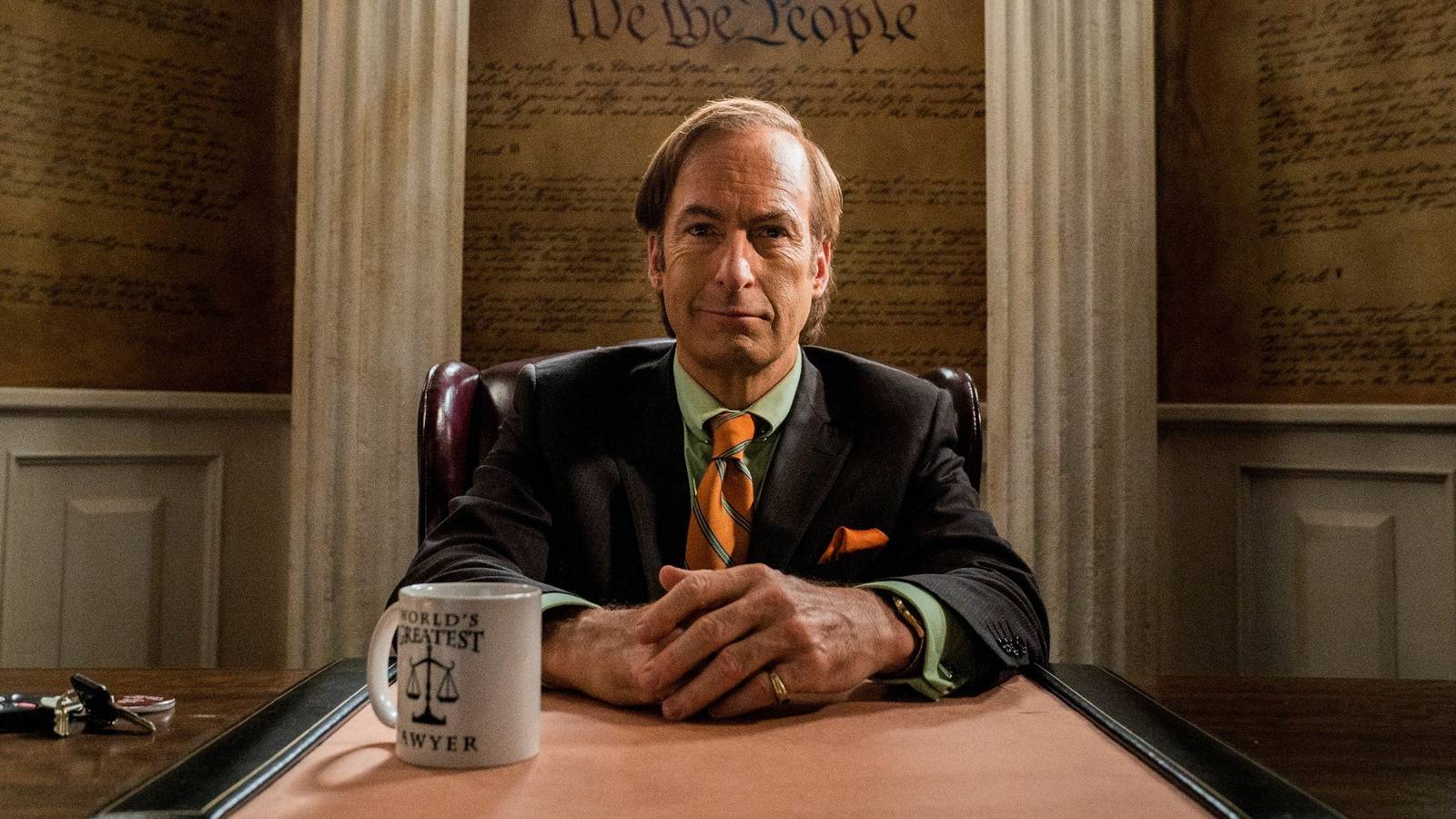
The Great Debate: Better Call Saul vs. Breaking Bad
When television history is written, a fascinating shift in perception is inevitable. While Breaking Bad stands as a modern masterpiece, future generations will likely crown Better Call Saul as the superior achievement. This isn’t about diminishing Vince Gilligan’s original creation, but recognizing how the prequel series has elevated television storytelling to unprecedented heights.
Character Depth That Transcends the Anti-Hero Trope
Breaking Bad gave us Walter White, one of television’s greatest anti-heroes. But Better Call Saul introduces us to Jimmy McGill/Saul Goodman, a character whose complexity and emotional journey redefines what television characterization can achieve.
- Jimmy’s transformation from well-meaning but flawed lawyer to morally compromised criminal feels earned and heartbreaking
- Saul Goodman’s backstory provides rich context that makes his Breaking Bad persona even more compelling
- Supporting characters like Kim Wexler, Nacho Varga, and Gus Fring receive development that surpasses Breaking Bad’s treatment of secondary characters
Storytelling Mastery Through Slow Burn Narrative
While Breaking Bad operated on tension and escalation, Better Call Saul demonstrates the power of patience and meticulous storytelling.
The series takes its time to establish character motivations and build relationships. This slow-burn approach allows for:
- Deeper emotional connections between characters
- More nuanced exploration of moral ambiguity
- Themes that unfold organically rather than being forced
Thematic Complexity Beyond Good and Evil
Breaking Bad fundamentally explores the corruption of a good man. Better Call Saul delves into the gray areas where morality exists in shades rather than absolutes.
The series examines:
- The nature of identity and how circumstances shape who we become
- The cost of ambition and the compromises people make
- How the legal system both enables and constrains human behavior
- The cyclical nature of crime and redemption
Cinematic Excellence That Redefines Television
Better Call Saul has pushed television production values to cinematic levels while maintaining the intimate storytelling that defines the medium.
Visual storytelling elements include:
- Long, contemplative shots that mirror the characters’ emotional states
- Masterful use of color symbolism throughout the series
- Architectural framing that reflects characters’ psychological states
- Sound design that enhances emotional resonance
The Evolution of Jimmy McGill: A Masterclass in Character Arcs
No character in modern television has undergone such a profound and believable transformation as Jimmy McGill. His journey from struggling lawyer to criminal Saul Goodman feels inevitable yet heartbreaking.
The series masterfully shows us:
- The early signs of Jimmy’s moral flexibility
- How his relationship with Chuck shapes his decisions
- The gradual erosion of his ethical boundaries
- The moments of genuine goodness that make his fall more tragic
Emotional Resonance That Stays With You
While Breaking Bad thrills with its tension and plot twists, Better Call Saul lingers in the memory through its emotional depth.
The series consistently delivers:
- Heart-wrenching moments of realization and consequence
- Quiet scenes that speak volumes about character relationships
- Dialogue that balances humor with profound insight
- Themes that resonate with universal human experiences
A Legacy That Builds Upon Greatness
Better Call Saul doesn’t just exist in the shadow of Breaking Bad—it expands and enriches the entire universe. The series creates a more complete understanding of the Breaking Bad world while standing on its own as a masterpiece.
Future viewers will appreciate:
- The way it connects to and enhances Breaking Bad’s narrative
- Its ability to be enjoyed both as a sequel and a standalone series
- The deeper understanding it provides of characters from the original series
Why Future Generations Will See It as Superior
As television continues to evolve, Better Call Saul’s approach will likely be seen as more influential. The series demonstrates that:
- Character development can be more compelling than plot-driven drama
- Emotional authenticity trumps constant action
- Thematic depth creates more lasting impact than mere entertainment
- Slow, deliberate storytelling can be more rewarding than fast-paced narratives
The Verdict
Better Call Saul represents the pinnacle of television storytelling. It takes everything that made Breaking Bad great and builds upon it with greater character depth, more sophisticated themes, and more nuanced storytelling. While Breaking Bad will always be remembered as a groundbreaking series, Better Call Saul may ultimately be seen as its superior achievement—one that future generations will study as a perfect example of how television can be both art and entertainment.

Comments are closed, but trackbacks and pingbacks are open.