

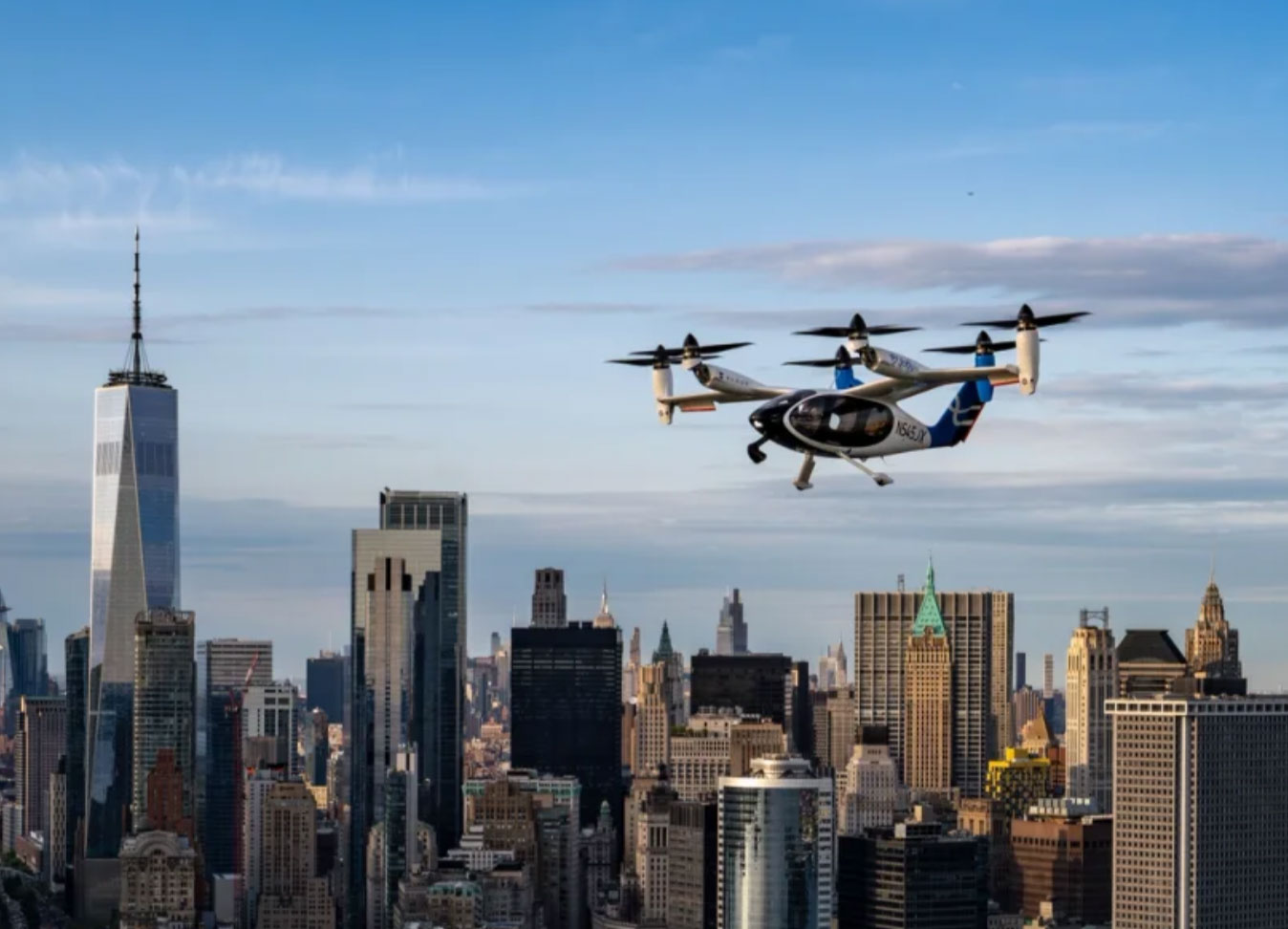
Ten years ago, flying taxis were the stuff of sci-fi blockbusters. Today, they’re landing at test sites, securing regulatory approvals, and even taking paying passengers in select cities. But as urban air mobility moves from concept to reality, a new question is popping up in neighborhoods worldwide: would you want a fleet of eVTOLs buzzing over your roof?
What Are Flying Taxis, Exactly?
Flying taxis, officially called electric vertical takeoff and landing (eVTOL) aircraft, are small, electric-powered planes designed to carry 2-6 passengers short distances. Unlike traditional airplanes, they don’t need long runways, and they’re far quieter than gas-guzzling helicopters.
Most models use multiple small electric rotors to lift off vertically, then tilt forward to fly like a fixed-wing plane once at cruising altitude. They produce zero direct emissions, making them a darling of climate-focused urban planners.
The Rapid Rise of Urban Air Mobility
The flying taxi industry has raised over $10 billion in funding since 2020, with major players like Joby Aviation, Archer Aviation, and Lilium leading the charge. Several have already secured preliminary FAA approval to operate commercial services in the US.
Joby plans to launch passenger flights in select US cities by 2025, with ticket prices initially matching Uber Black rides. Archer aims to roll out services in Dubai and Los Angeles by 2026, targeting price parity with standard ride-hailing within a decade.
These aren’t just niche luxury services, either. Proponents argue they could cut 1-2 hour commute times to 15 minutes, reducing traffic congestion and carbon emissions from cars.
The Big Concerns: Noise, Safety, and Privacy
For all their promise, flying taxis face fierce pushback from residents in areas where they’d operate. Here are the top three concerns keeping homeowners up at night:
- Noise pollution from repeated flights
- Safety risks of crashes over residential areas
- Privacy invasions and falling property values
Noise Pollution
While eVTOLs are marketed as "whisper-quiet" compared to helicopters, they’re not silent. Most produce a high-pitched hum that’s audible from 500+ feet away, and repeated flights over residential areas add up quickly.
A 2024 study by the University of Michigan found that neighborhoods under frequent eVTOL flight paths saw a 30% increase in reported sleep disruptions. Even low noise levels become irritating when they’re constant, especially during early morning or late night flights.
Safety Risks
Crashing a 2-ton aircraft over a dense neighborhood is a worst-case scenario for many residents. While eVTOL makers say their aircraft have redundant safety systems (including backup batteries and parachutes), public trust remains low.
A 2023 Pew Research survey found that 62% of US adults are "very" or "somewhat" worried about flying taxi crashes in residential areas. Regulatory agencies are still finalizing safety standards, with full certification not expected until 2027 at the earliest.
Privacy and Property Values
Many eVTOLs are equipped with cameras for navigation and obstacle avoidance, raising privacy concerns for homeowners. Could these cameras capture footage of backyards, pools, or private property?
Real estate experts also warn that homes directly under flight paths could see property values drop by 5-10%. One Texas suburb saw home sale prices fall 8% in the six months after a flying taxi test site was approved nearby.
Communities Are Already Pushing Back
Resistance to flying taxis is already playing out in real time. When Joby conducted test flights over a California suburb last year, the city received over 300 noise complaints in a single month.
In New York City, residents of Queens are fighting a proposed eVTOL takeoff pad near a dense residential complex, arguing it would devalue homes and disrupt daily life. Similar protests have popped up in London, Tokyo, and Sydney.
Some cities are trying to compromise by designating "flight corridors" that avoid dense residential areas, but that’s not always feasible for short-distance urban trips.
Conclusion: Are Flying Taxis Worth the Tradeoff?
Flying taxis are no longer a futuristic fantasy, they’re a coming reality. They offer real benefits: slashed commute times, lower carbon emissions, and reduced traffic congestion. But for people living under their flight paths, the costs are tangible: noise, safety worries, and potential property value drops.
So we’ll ask you directly: would you want flying taxis buzzing over your house? Let us know your thoughts in the comments below.

Comments are closed, but trackbacks and pingbacks are open.