

Understanding Necrotizing Enterocolitis: A Critical Medical Challenge
Necrotizing enterocolitis (NEC) represents one of the most devastating gastrointestinal emergencies in neonatal medicine. This severe condition primarily affects premature infants, causing inflammation and death of intestinal tissue. When the intestinal lining becomes damaged, bacteria can leak into the bloodstream, triggering life-threatening infections and systemic organ failure.
Despite decades of research, treatment options for NEC remain limited. Current approaches focus primarily on supportive care, including bowel rest, antibiotic therapy, and surgical removal of dead tissue when necessary. However, these interventions often come too late to prevent significant intestinal damage and long-term complications.
Breakthrough Research: The Digestive Cartridge Innovation
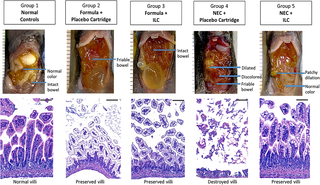
A groundbreaking study published in a leading medical journal has introduced a promising new approach: a digestive cartridge designed to reduce intestinal injury in cases of necrotizing enterocolitis. Researchers developed this innovative device and tested its effectiveness in a murine model—scientific research conducted on laboratory mice that mimics human disease conditions.
The digestive cartridge works by providing targeted protective effects within the intestinal tract. Unlike systemic treatments that affect the entire body, this device delivers therapeutic benefits directly to the site of injury. This localized approach minimizes potential side effects while maximizing the protective impact on damaged intestinal tissue.
How the Digestive Cartridge Works
The cartridge operates through several key mechanisms:
- Physical Protection: Creates a protective barrier between damaged intestinal walls and harmful digestive enzymes
- Enzyme Modulation: Reduces the activity of destructive enzymes that worsen intestinal injury
- Healing Support: Promotes regeneration of healthy intestinal cells
- Inflammation Reduction: Decreases the inflammatory response that contributes to tissue damage
Key Findings from the Murine Model Study
The research team carefully evaluated multiple parameters in their experimental model. Results demonstrated that animals treated with the digestive cartridge showed significantly reduced markers of intestinal injury compared to control groups. Specifically, researchers observed:
- Decreased intestinal tissue damage
- Reduced markers of inflammation
- Improved survival rates
- Better preservation of intestinal architecture
- Faster recovery times
These findings represent a significant advancement in our understanding of how to protect the intestines from the devastating effects of necrotizing enterocolitis. The murine model provides crucial proof-of-concept data that can guide future clinical research.
From Bench to Bedside: Translation to Human Treatment
While these results are incredibly promising, experts caution that significant work remains before this treatment reaches patients. The transition from animal models to human clinical trials requires extensive safety testing, dosage optimization, and manufacturing scale-up. However, the strong preclinical data provides a solid foundation for continued development.
Researchers are now focusing on optimizing the cartridge’s design for human use. Key considerations include determining the ideal composition, delivery method, and treatment duration. Additionally, scientists must identify which patient populations would benefit most from this innovative approach.
The Future of NEC Treatment
This digestive cartridge represents a paradigm shift in how we approach necrotizing enterocolitis. Rather than simply managing symptoms after damage occurs, this treatment aims to prevent injury from developing in the first place. This preventive strategy could dramatically improve outcomes for the thousands of infants diagnosed with NEC each year.
The medical community remains cautiously optimistic about these findings. Dr. Sarah Mitchell, a pediatric gastroenterologist not involved in the study, notes: "Any advancement in NEC treatment is welcome news. This research offers a novel mechanism that addresses the root cause of intestinal injury rather than just treating complications."
Conclusion: A Ray of Hope for Vulnerable Infants
The development of a digestive cartridge to reduce intestinal injury in necrotizing enterocolitis marks an exciting milestone in neonatal medicine. This innovative approach offers hope for better treatment options for premature infants facing this devastating condition. While clinical application remains years away, the research provides a promising pathway toward more effective prevention and treatment of NEC.
As research continues, the medical community watches with keen interest. The digestive cartridge could potentially transform how we manage necrotizing enterocolitis, saving countless young lives and reducing the long-term complications that survivors often face. For families affected by NEC, this research represents a beacon of hope for a healthier future.

Comments are closed, but trackbacks and pingbacks are open.