

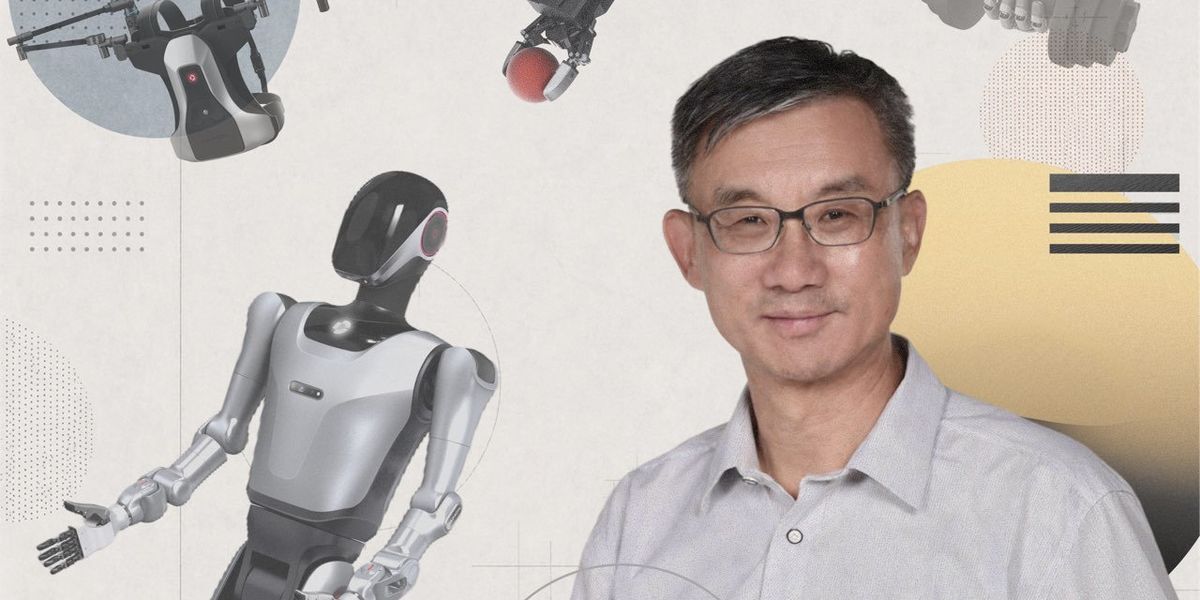
The Future of Robotics: When Robot Hands Finally Get a Sense of Touch
For decades, robotic hands have been clumsy, insensitive tools that struggle with basic tasks most humans perform without thinking. But DAIMON Robotics is changing that narrative with groundbreaking research that could finally give robot hands the sense of touch they’ve been missing.
The Challenge of Tactile Sensing in Robotics
Current robotic systems can perform incredible feats of strength and precision, but they lack the nuanced understanding that comes with human touch. This limitation has confined most robots to controlled environments where they don’t need to interact delicately with unpredictable objects.
Why Touch Matters
Touch is fundamental to how humans interact with the world. We use it to:
- Assess texture and material properties
- Determine grip strength to avoid damaging objects
- Sense temperature and pressure changes
- Navigate complex environments safely
DAIMON Robotics’ Breakthrough Approach
DAIMON Robotics has developed a sophisticated tactile sensing system that mimics human skin’s sensitivity. Their technology combines advanced materials science with machine learning to create a network of sensors that can detect minute pressure variations across a robotic hand’s surface.
Key Innovations
The DAIMON system features:
- Ultra-sensitive pressure sensors distributed across fingertips and palms
- Temperature detection capabilities
- Vibration and texture analysis
- Real-time data processing with minimal latency
Real-World Applications
The implications of this technology extend far beyond laboratory settings. DAIMON Robotics’ tactile sensing could transform numerous industries:
Healthcare and Elderly Care
Robotic assistants could safely help elderly patients with daily tasks, providing physical support while monitoring vital signs through touch. Surgical robots could perform delicate operations with unprecedented precision.
Manufacturing and Quality Control
Factory robots could inspect products with human-like sensitivity, detecting defects that would be missed by current systems. This could dramatically improve quality control across manufacturing industries.
Household Robotics
Imagine home robots that can handle fragile objects, fold clothes, or prepare food without constant supervision. The sense of touch makes these complex tasks feasible.
The Science Behind the Sensation
What makes DAIMON’s approach unique is how their sensors work. Unlike traditional robotic tactile systems that provide basic pressure readings, their network creates a detailed "touch map" that helps the robot understand not just what it’s touching, but how it should respond.
Mimicking Human Biology
The technology draws inspiration from human skin’s mechanoreceptors. By creating sensors that respond similarly to human touch receptors, DAIMON’s system can interpret complex tactile information in ways that feel natural and intuitive.
Challenges and Limitations
Despite the impressive progress, giving robots human-like touch remains challenging. Key hurdles include:
- Power consumption and sensor durability
- Integration with existing robotic systems
- Training AI models to interpret tactile data
- Cost-effectiveness for widespread adoption
The Road Ahead
DAIMON Robotics is actively working to overcome these challenges. Their roadmap includes improving sensor resolution, reducing power requirements, and developing more sophisticated machine learning algorithms to make sense of tactile data.
Collaborative Future
The company is partnering with universities and research institutions to accelerate development. This collaborative approach could lead to breakthroughs that benefit not just robotics, but also prosthetic technology and human-computer interaction.
Why This Matters Now
As robots become more integrated into our daily lives, the ability to interact safely and effectively with humans becomes crucial. DAIMON Robotics’ work on tactile sensing represents a critical step toward creating robots that can truly understand and navigate our complex physical world.
The Bigger Picture
Development of robot hands with a sense of touch isn’t just about improving dexterity—it’s about creating machines that can work alongside humans in meaningful ways. From disaster response to elder care, the applications are nearly limitless once robots can "feel" their way through tasks.
Conclusion: A Touch of the Future
DAIMON Robotics is at the forefront of a revolution in tactile sensing. By giving robot hands the ability to feel, they’re opening doors to applications that were once the stuff of science fiction. While challenges remain, the path forward is clear: the future of robotics will be defined by how well machines can understand and interact with the physical world through touch.
As this technology matures, we can expect to see robots that don’t just perform tasks, but adapt to them—making our world safer, more efficient, and more accessible for everyone.

Comments are closed, but trackbacks and pingbacks are open.