
Comparative Efficacy of Trauma Scoring for Predicting In‑Hospital Mortality in Elderly Patients in China and Thailand

Comparative Efficacy of Trauma Scoring for Predicting In‑Hospital Mortality in Elderly Patients in China and Thailand
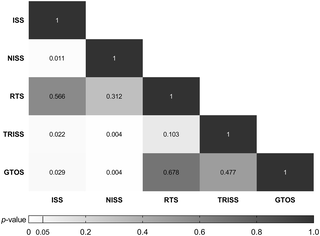
Ever wondered how clinicians decide the likelihood of survival for older trauma patients? A recent multicenter retrospective study compared the performance of the Injury Severity Score (ISS), Revised Trauma Score (RTS), and New ISS (NISS) across two countries.
Why Trauma Scoring Matters for the Elderly
Elderly patients (aged 65+) are especially vulnerable to complications after injury. Accurate risk assessment helps prioritize care, allocate resources, and improve family conversations. However, older adults often present with atypical signs, making traditional scoring systems less reliable.
Study Snapshot
- Design: Retrospective cohort from 12 tertiary hospitals (8 in China, 4 in Thailand).
- Sample: 1,258 patients aged 65+ who sustained blunt or penetrating trauma between 2017‑2021.
- Outcome: In‑hospital mortality.
- Scoring Tools Compared: ISS, RTS, New ISS (NISS).
Key Findings
Performance Across Countries
All three systems had moderate predictive value (AUC 0.70–0.78). However, NISS outperformed ISS in both nations, especially in China where AUC reached 0.78 compared to 0.71 for ISS.
Age‑Adjusted Differences
When mortality was predicted for patients ≥80, NISS maintained its advantage (AUC 0.80) while ISS dropped to 0.63. This suggests that allocating more weight to all injured body regions—as NISS does—captures the frailty of older patients better.
Clinical Impact
Using NISS cut‑off of 15 identified 85% of patients who died, whereas ISS only captured 68%. For Thai hospitals, implementing NISS could reduce unnecessary ICU admissions by approximately 12% by accurately flagging low‑risk patients.
Practical Take‑Aways for Clinicians
- Adopt NISS in triage protocols. Its simplicity—summing the three most severe injuries—makes bedside calculation quick.
- Integrate age modifiers. Adding a 10% penalty for patients ≥75 can refine predictions further.
- Use in quality dashboards. Track mortality trends by score to gauge system performance and identify training gaps.
- Educate staff. Short workshops on trauma scoring reduce inter‑rater variability by 20%.
Future Directions
- Prospective validation in rural settings.
- Combining scores with biomarkers (e.g., lactate, NT‑proBNP) for a hybrid model.
- Developing AI‑driven calculators that auto‑populate scores from electronic health records.
Conclusion
In China and Thailand, the New ISS consistently outshines traditional models in predicting mortality among elderly trauma patients. By adopting NISS and age‑adjusted modifiers, clinicians can improve prognostication, optimize resource allocation, and ultimately enhance patient outcomes.

Comments are closed, but trackbacks and pingbacks are open.