

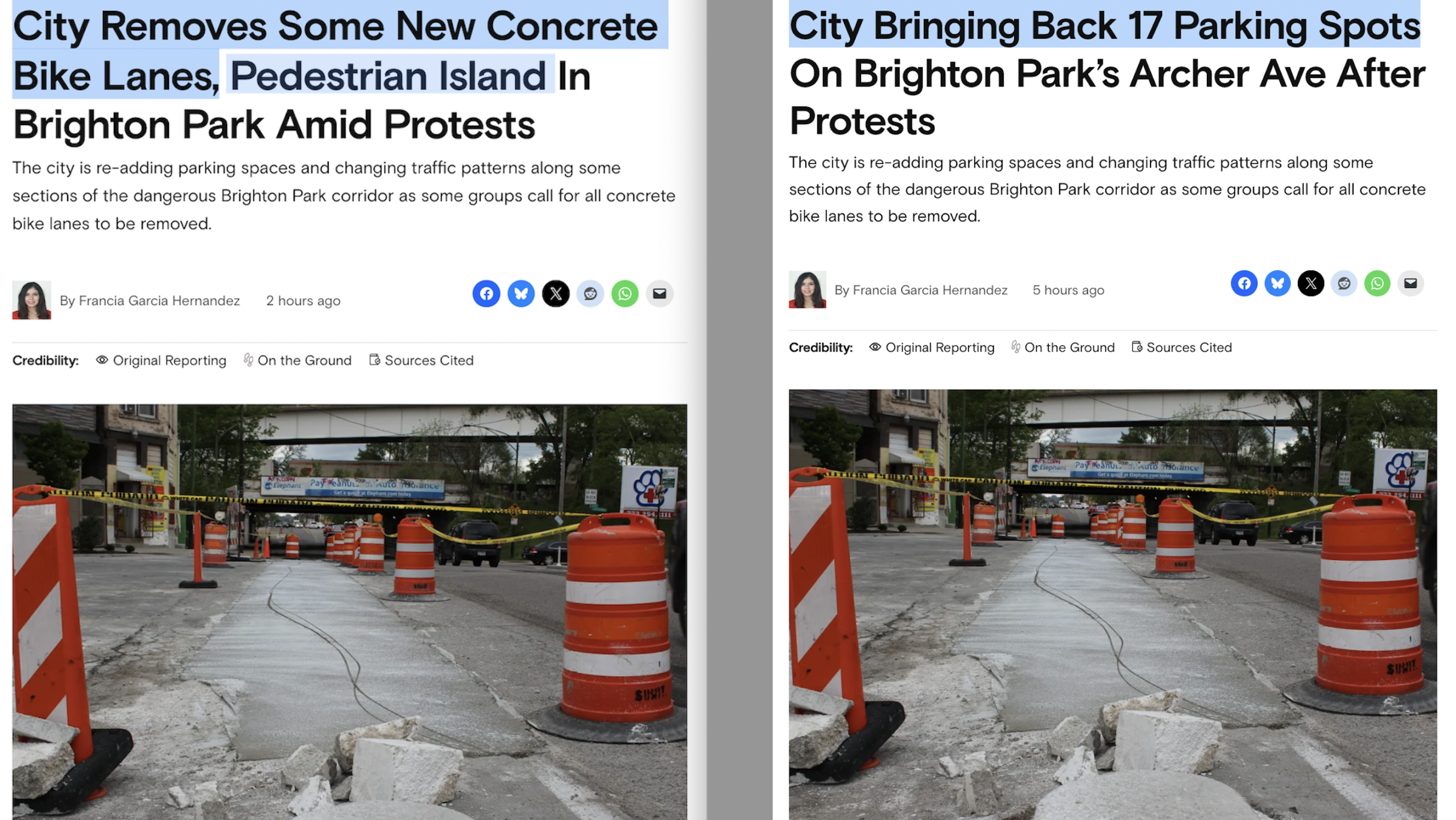
What Prompted the Correction?
On June 1, Block Club Chicago published an article about the Archer Project that claimed the city had approved a new bike lane on Lake Shore Drive. Within hours, city officials, readers, and fellow journalists flagged several inaccuracies—most notably the lane’s actual location, the permitting timeline, and the involvement of the Chicago Department of Transportation (CDOT).
Step‑by‑Step Anatomy of the Fix
1. Receiving Feedback
- Official response: A CDOT spokesperson emailed the newsroom, citing the correct project address and a different approval date.
- Reader tip‑offs: Comments on the article and messages on Block Club’s Facebook page highlighted the discrepancy.
- Peer review: Streetsblog republished a summary pointing out the error and offered primary source documents.
2. Verifying the Sources
The editorial team pulled the official CDOT press release, the city council agenda, and the Archer Project’s permit filing. Each source confirmed that the bike lane was slated for Archer Avenue, not Lake Shore Drive, and that the approval occurred on May 15, 2024—not the previously reported June 1 date.
3. Drafting the Correction
Block Club’s standards require a transparent correction note that:
- Clearly states what was incorrect.
- Provides the accurate information.
- Links to the primary documents used for verification.
- Offers a brief explanation of how the mistake happened.
The newsroom drafted the note, added the missing citations, and ran it past the senior editor.
4. Publishing the Update
The correction was placed at the top of the original article with a bold heading: Correction: Archer Project bike lane details. The original text was edited, and a timestamp was added to show when the amendment went live.
5. Communicating the Change
After publishing, Block Club emailed the officials who raised the issue, posted an update on Twitter, and responded to readers in the comment section, thanking them for their diligence.
Why This Matters
Corrections reinforce trust. They demonstrate that a newsroom values accuracy over ego, and they give the community a chance to hold the press accountable. For local journalism, especially when covering infrastructure projects that affect daily commutes, precision is essential.
Takeaways for Other Newsrooms
- Keep feedback channels open: Encourage readers, officials, and peers to flag errors.
- Maintain a source archive: Store original PDFs, emails, and permits for easy reference.
- Adopt a clear correction policy: Make the process visible on your website.
- Act quickly: The sooner a mistake is corrected, the less damage it does to credibility.
Conclusion
Block Club Chicago’s swift correction of the Archer Project article is a textbook example of journalistic accountability. By listening to officials, readers, and industry peers, verifying every detail, and communicating transparently, the newsroom turned a misstep into a lesson for the entire media community.

Comments are closed, but trackbacks and pingbacks are open.