

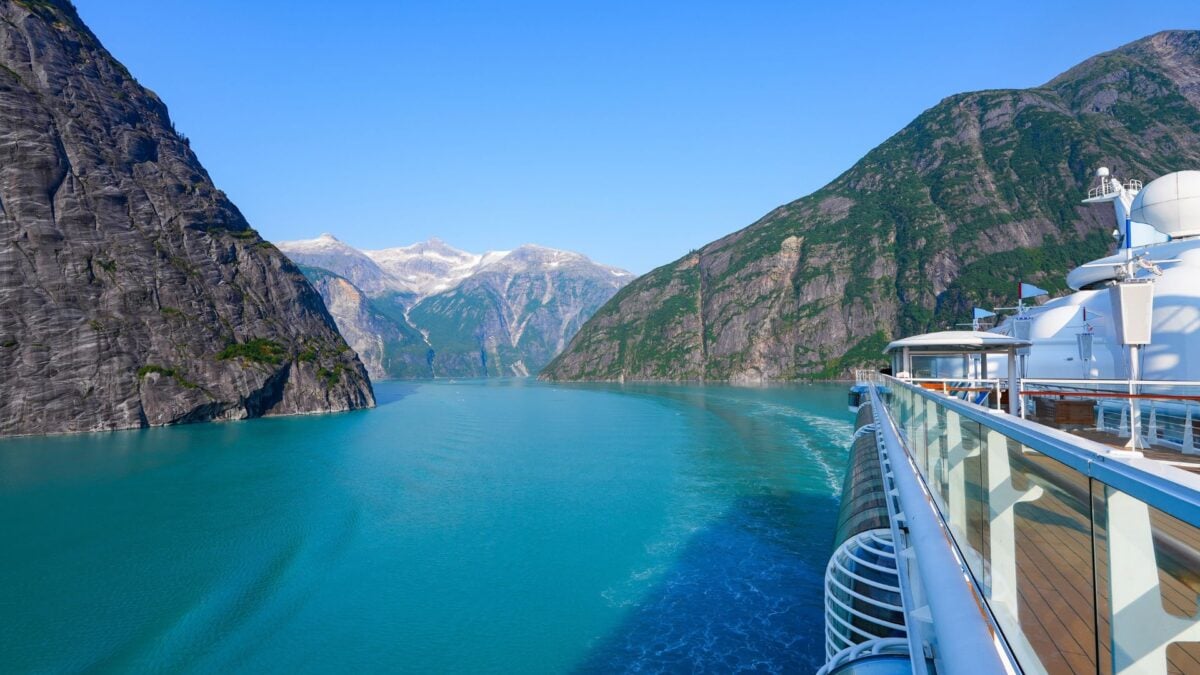
Alaska’s Fjords Under Pressure
Alaska’s breathtaking fjords—those towering walls of ice-carved granite that have captivated travelers for generations—are facing an unprecedented challenge. The very cruise ships that bring visitors to witness these natural wonders are increasingly threatening the delicate ecosystems that make them special.
From the legendary Glacier Bay to the stunning Inside Passage, Alaska’s fjord systems are experiencing record-breaking cruise ship traffic. While this brings economic benefits to local communities, it also creates a complex web of environmental and logistical challenges that are forcing officials to reconsider how they manage these fragile landscapes.
The Numbers Tell a concerning Story
Alaska welcomed over 1.6 million cruise passengers in 2023, with numbers steadily climbing each year. The major cruise lines have deployed their largest vessels to Alaskan waters, with some ships carrying nearly 5,000 passengers plus crew members. These floating cities dock at small communities that sometimes have populations under 1,000.
The concentration of ships in popular destinations like Juneau, Skagway, and Ketchikan has created bottlenecks that affect both visitor experiences and local infrastructure. Tourists report longer wait times for excursions, crowded shore facilities, and diminished opportunities for authentic wilderness experiences.
Environmental Concerns Mount
Marine biologists and environmental groups have raised alarms about the cumulative impact of increased cruise traffic on Alaska’s marine ecosystems. Key concerns include:
- Underwater noise pollution disrupting whale migration patterns and communication
- Air emissions from heavy-duty engines contributing to air quality issues in pristine areas
- Waste management challenges despite improved regulations
- Anchor damage to sensitive kelp forests and seafloor habitats
- Visual pollution diminishing the remote wilderness experience that draws visitors
Glacier Bay National Park, a UNESCO World Heritage Site, has already implemented strict limits on cruise ship visits. However, many of Alaska’s other spectacular fjords lack similar protections.
Communities Caught in the Middle
Alaska’s small coastal communities face a difficult balancing act. Cruise tourism provides essential revenue for local businesses, restaurants, and tour operators. Yet the overwhelming numbers of visitors can strain infrastructure designed for far smaller populations.
"We love the tourists and what they bring to our economy," says a longtime Juneau business owner. "But some days it feels like we’re being overwhelmed. The character of our town changes when 10,000 people pour off ships at once."
What Solutions Are Being Considered
State officials and industry stakeholders are exploring various approaches to address these challenges:
- Staggered scheduling to distribute cruise arrivals more evenly throughout the season
- Voluntary agreements with cruise lines to limit vessel sizes in sensitive areas
- Enhanced environmental requirements for ships operating in Alaskan waters
- Development of alternative destinations to spread tourism pressure
- Increased monitoring and research on cumulative impacts
The Road Ahead
Alaska’s fjords represent one of nature’s most spectacular achievements—glacial valleys carved over millennia, now serving as windows into Earth’s geological past while hosting a remarkable diversity of marine life. The challenge now is ensuring that future generations can experience these wonders as we do today.
The cruise industry has made significant environmental improvements in recent years, including advanced wastewater treatment systems and cleaner-burning fuels. However, the sheer volume of traffic poses challenges that technology alone cannot solve.
As Alaska grapples with finding the right balance between tourism economics and environmental preservation, one thing remains clear: the decisions made in the coming years will determine whether these iconic fjords remain vibrant ecosystems or become cautionary tales of unmanaged growth.
The stakes couldn’t be higher—for Alaska, for the cruise industry, and for everyone who dreams of witnessing nature’s grandeur in these magnificent glacial corridors.

Comments are closed, but trackbacks and pingbacks are open.