

Introduction
When you hear the phrase “Cap‑and‑Invest,” you might picture a clever policy that slashes gasoline costs while forcing polluters to put money into clean‑energy projects. In reality, the scheme often does the opposite –‑ it nudges prices upward without delivering measurable climate benefits. This article breaks down how the policy works, why it fails to lower pump prices, and what consumers can do.
What Is a Cap‑and‑Invest Program?
A cap‑and‑invest system combines two elements:
- Cap: A hard limit on the total amount of carbon emissions that can be released by a sector (usually oil, gas, or transport). Companies must hold allowances equal to the emissions they generate.
- Invest: Revenue from the sale of these allowances is earmarked for climate‑related projects –‑ renewable energy, public transport, or climate‑resilience programs.
The idea is simple: by limiting emissions and redirecting the money, governments can both curb pollution and fund the transition to a low‑carbon economy.
Why Gas Prices Rise Under Cap‑and‑Invest
1. Cost of Purchasing Allowances
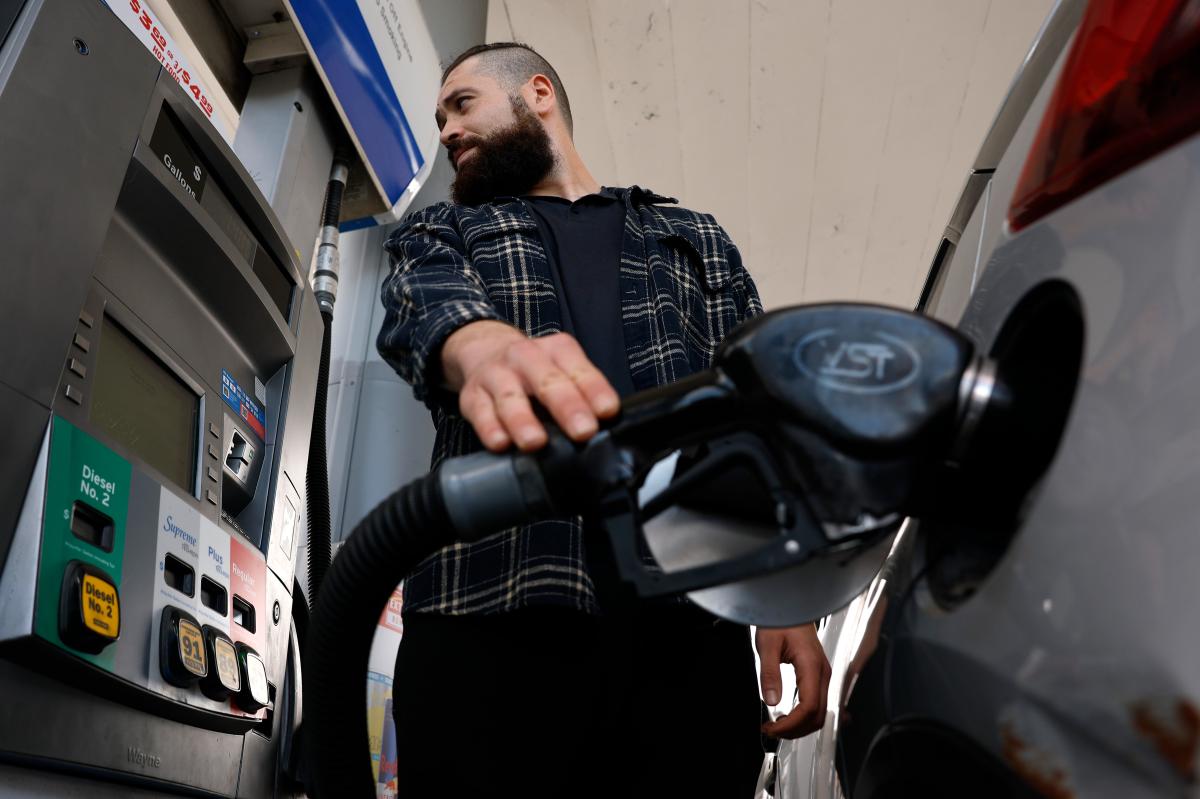
Fuel producers must buy enough allowances to cover every gallon of gasoline they sell. When the cap tightens, the price of these allowances climbs, and the cost is passed directly to consumers at the pump.
2. Limited Supply, Higher Demand
Because the total amount of emissions is capped, the market for allowances becomes scarce. A scarce commodity drives up prices –‑ just like oil itself –‑ further inflating gasoline costs.
3. Administrative Overheads
Compliance, reporting, and monitoring add extra layers of expense for refineries and distributors. Those operational costs are also rolled into the retail price.
Why Climate Impact Is Often Minimal
Insufficient Allocation to High‑Impact Projects
Many cap‑and‑invest schemes allocate a large share of revenue to low‑visibility projects (e.g., tree planting) that have limited short‑term emissions reductions. The bulk of the money may never reach breakthrough technologies that can replace fossil fuels.
Leakage and Carbon Offsets
When firms purchase cheap offsets instead of cutting their own emissions, the overall carbon budget stays the same, but the cap‑and‑invest program sees little real‑world effect.
Delayed Implementation
Even when funds are earmarked for renewable infrastructure, large projects take years to complete. In the meantime, consumers continue to pay higher gasoline prices with no immediate climate payoff.
What This Means for Consumers
- Expect higher pump prices until the cap tightens enough to force a genuine shift away from gasoline.
- Watch where the revenue goes. Transparent reporting can reveal whether your tax dollars are funding effective clean‑energy solutions.
- Consider alternatives such as electric vehicles, car‑sharing, or public transit –‑ the most direct way to avoid the price hike.
How Policymakers Can Fix the Flaw
- Set a realistic, gradually tightening cap that gives the market time to adapt while still sending a clear price signal.
- Direct a larger share of proceeds to high‑impact projects such as grid‑scale storage, electric‑vehicle charging networks, and industrial decarbonisation.
- Include a rebate or dividend for households funded by allowance revenues, offsetting the higher gasoline cost for low‑income families.
- Mandate verification of emissions reductions to prevent reliance on low‑quality carbon offsets.
Conclusion
“Cap‑and‑Invest” can be a powerful climate tool, but the way many jurisdictions have implemented it ends up raising gasoline prices without delivering the promised emissions cuts. By tightening caps wisely, channeling funds to high‑impact projects, and protecting vulnerable consumers, the policy can finally align price signals with genuine climate action.

Comments are closed, but trackbacks and pingbacks are open.