

Introduction
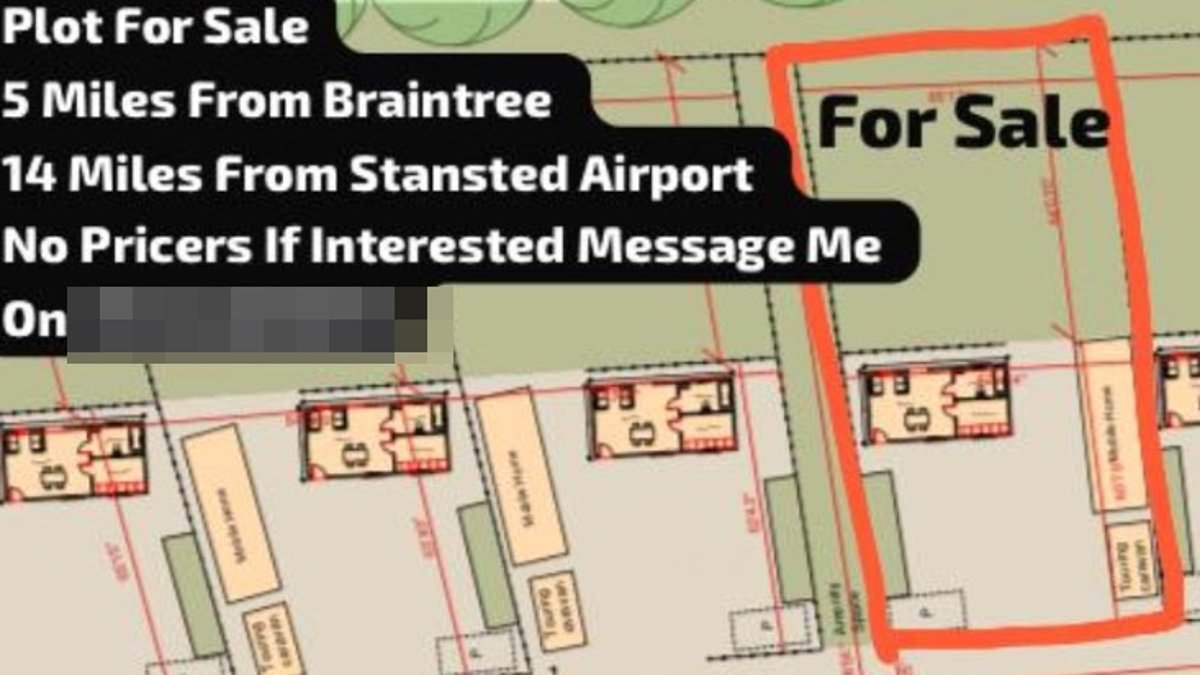
Imagine scrolling through Facebook, seeing a glossy ad for a brand‑new caravan park, only to discover that the land hasn’t even been cleared yet. This is the reality of a growing land‑grab scheme where illegal caravan sites are advertised weeks before any groundwork begins. In this article, we expose the tactics, explain why they’re illegal, and show what buyers can do to protect themselves.
What Is a ‘Land Grab’ Caravan Site?
In the UK, a caravan site must be approved by the local planning authority and meet strict health‑and‑safety standards. A land‑grab caravan site refers to a plot marketed as a ready‑to‑use holiday or permanent residence, while the developer has not yet secured planning permission or even started construction.
Key red flags
- Advertisements appear before any earth‑moving equipment arrives.
- Photos show generic stock images or unrelated locations.
- Promises of “instant occupancy” without a planning permit.
How These Schemes Operate on Facebook
Facebook’s marketplace and private groups provide a perfect platform for quick, unregulated sales. Here’s the typical workflow:
- Pre‑launch teaser: A developer posts a slick flyer with a catchy name (e.g., “Green Meadow Caravan Village”).
- Early‑bird discounts: Prices are advertised at a fraction of the market rate to create urgency.
- Fake testimonials: Comments from seemingly satisfied buyers, often bots.
- Payment request: A bank transfer to a private account before any legal paperwork.
- Construction delay: Weeks or months later, buyers discover the site is still a field.
Why It’s Illegal
Under the Town and Country Planning Act 1990, any new caravan site requires a planning permission and a change of use order. Selling the land as a caravan park without these approvals breaches consumer protection laws, constitutes fraud, and can lead to enforcement notices, fines, or demolition orders.
Consequences for buyers
- Loss of deposit and possible legal costs.
- Inability to occupy the site, rendering the purchase worthless.
- Potential liability for illegal development if they proceed without permission.
How to Verify a Legitimate Caravan Site
Before committing funds, follow this checklist:
- Check the local planning authority’s portal for a published decision.
- Request the full title deed and any existing planning documents.
- Visit the site in person – look for signs of groundwork, fencing, or posted notices.
- Ask for a solicitor experienced in property and planning law to review contracts.
- Beware of sellers who pressure you to pay “now or lose the deal.”
What to Do If You’ve Been Targeted
If you suspect you’ve fallen for a land‑grab scheme:
- Contact the local council’s planning enforcement team.
- Report the fraudulent ad to Facebook’s “Report Ad” feature.
- File a complaint with the National Fraud Intelligence Bureau.
- Seek legal advice promptly to explore recovery options.
Conclusion
Illegal caravan sites marketed on Facebook exploit the desire for affordable holiday homes, but they leave unsuspecting buyers with empty fields and empty wallets. By understanding the red flags, verifying planning permission, and acting swiftly when fraud is suspected, you can avoid becoming a victim of these modern land‑grab scams.

Comments are closed, but trackbacks and pingbacks are open.