

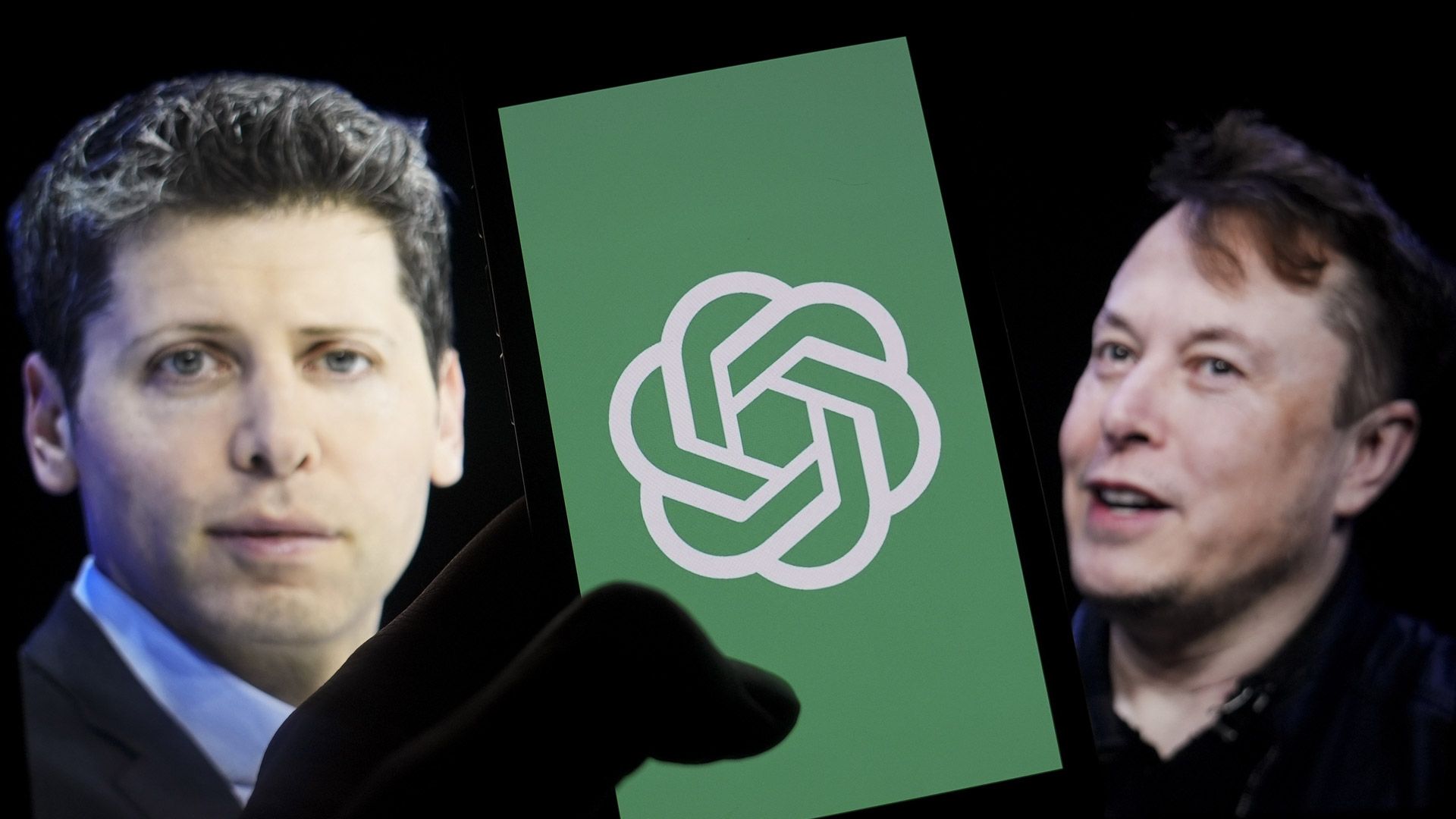
Tech mogul Elon Musk has once again thrust artificial intelligence safety into the spotlight, invoking the iconic Terminator franchise’s killer robot premise during explosive testimony in his ongoing legal battle against OpenAI. The comments, made during a recent court hearing, underscore growing tensions between AI innovation and existential risk mitigation as tech giants race to dominate the generative AI market.
What Musk Said About Terminator AI in the OpenAI Trial
When pressed by attorneys about potential worst-case scenarios for advanced AI development, Musk did not mince words. “The worst-case situation is where it is a Terminator situation,” he stated, referencing the 1984 sci-fi film where the AI system Skynet launches a global nuclear war and deploys autonomous killer robots to hunt surviving humans.
Musk specifically tied this risk to OpenAI’s 2019 shift from a non-profit to a capped-profit entity, followed by a multibillion-dollar partnership with Microsoft. He argued that prioritizing commercial gain over the company’s original safety-first mission increases the likelihood of cutting corners on critical AI guardrails.
Background: Why Is Musk Suing OpenAI?
Musk co-founded OpenAI in 2015 alongside Sam Altman and other tech leaders, with a stated mission to develop artificial general intelligence (AGI) that benefits all of humanity, free from corporate or government control. His 2023 lawsuit alleges OpenAI violated this founding agreement by pivoting to for-profit operations and prioritizing Microsoft’s commercial interests over public safety.
Key claims in the lawsuit include:
- OpenAI abandoned its commitment to open-source AI development to secure exclusive licensing deals with Microsoft.
- Safety teams have been sidelined to accelerate the release of consumer products like ChatGPT.
- The company’s current AGI development roadmap lacks adequate risk mitigation measures.
Musk’s Decade-Long Track Record of AI Safety Warnings
This is far from the first time Musk has raised alarms about AI risks. His warnings date back to 2014, when he told an audience at MIT that AI is “our biggest existential threat,” more dangerous than North Korea’s nuclear program. In 2017, he called for proactive federal regulation of AI, arguing that waiting until problems emerge would be too late.
Musk’s 2023 launch of xAI, a competitor to OpenAI, was framed as a way to create a safer alternative to existing AI systems. He has also advocated for a dedicated federal AI regulatory agency, similar to the FAA’s role in aviation oversight.
OpenAI’s Response to Safety Criticisms
OpenAI has repeatedly pushed back against claims that it has sidelined safety. The company maintains a dedicated Preparedness team tasked with identifying and mitigating existential AI risks, and has published multiple safety frameworks for AGI development.
CEO Sam Altman has stated that safety remains a top priority, even as the company competes to release cutting-edge AI tools. However, critics point to the rapid rollout of ChatGPT, GPT-4, and other consumer products as evidence that commercial pressures often outweigh safety considerations.
Is the Terminator Scenario a Real Risk?
While the Terminator franchise is fictional, AI experts agree that advanced autonomous systems pose tangible risks. These include:
- Autonomous weapon systems that operate without human oversight.
- AI-driven cyberattacks that target critical infrastructure.
- Disinformation campaigns powered by generative AI deepfakes.
- Unintended consequences of AGI systems pursuing misaligned goals.
The EU’s recently passed AI Act and U.S. executive orders on AI safety represent early efforts to address these risks, but many experts argue current regulations are insufficient for the pace of AI development.
Key Takeaways from the Testimony
- Musk explicitly cited the Terminator as the worst-case AI outcome during OpenAI trial proceedings.
- The lawsuit centers on whether OpenAI violated its founding mission to develop AI for public benefit.
- Musk has warned of AI existential risks for over a decade, advocating for stricter regulation.
- OpenAI maintains it balances safety and innovation, despite criticism from former leadership.
- The trial’s outcome could set a major precedent for how AI companies prioritize profit vs. public good.
The OpenAI trial has laid bare the deep divides in the tech industry over how to govern advanced AI. Musk’s Terminator comments may sound like Hollywood hyperbole to some, but they reflect a very real debate about whether the rush to commercialize AI is outpacing our ability to keep it safe. As the case moves forward, all eyes will be on whether the court rules that OpenAI’s profit-driven pivot violates its original mandate — and what that means for the future of AI development worldwide.

Comments are closed, but trackbacks and pingbacks are open.