
Bill Maher Blames the Far‑Left for Pushing Liberals Like Joe Rogan and Elon Musk Toward Conservatives

Introduction
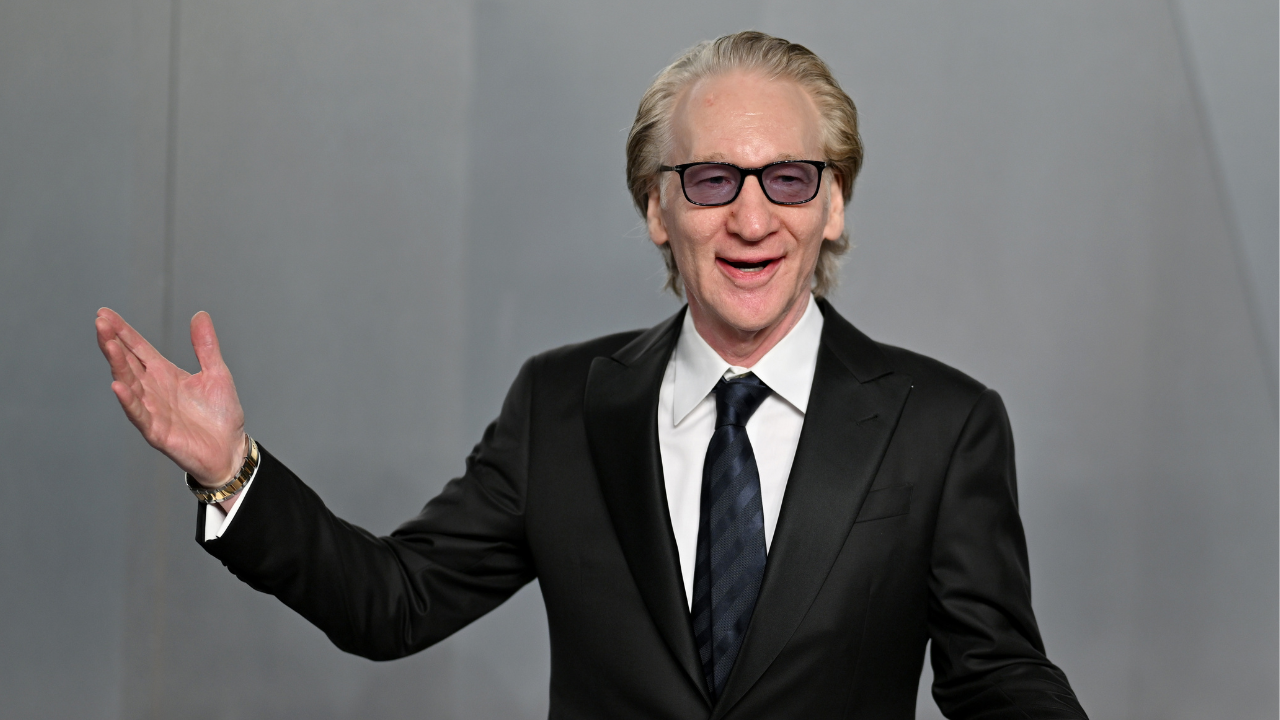
Comedian‑political commentator Bill Maher recently sparked a heated debate when he claimed that the far‑left is responsible for driving high‑profile liberals such as Joe Rogan and Elon Musk toward conservative platforms. The statement, made on his show Real Time, has quickly become a hot topic across media outlets and social feeds.
What Maher Said
During a segment on free speech and cancel culture, Maher argued that the progressive wing is increasingly intolerant of dissenting views. He suggested that this environment forces outspoken figures like Rogan—who hosts a podcast known for controversial guests—and Musk—who has repeatedly criticized “woke” culture—to align themselves with right‑leaning media and political messages.
Key Points from Maher’s Argument
- Intolerance to dissent: Maher claims the far‑left punishes anyone who deviates from its narrative, often through social‑media bans or public shaming.
- Platform migration: He notes that both Rogan and Musk have recently appeared on conservative‑friendly platforms (e.g., Rogan’s appearances on Fox news, Musk’s tweetstorms supporting Republican policies).
- Self‑censorship: According to Maher, many liberals now self‑censor to avoid backlash, which paradoxically pushes the most outspoken voices further right.
Why This Matters
Maher’s remarks hit a nerve because they touch on three major trends shaping today’s political discourse:
1. The Rise of Cancel Culture
Cancel culture, often associated with the far‑left, has become a powerful tool for shaping public opinion. Critics argue it silences debate, while supporters see it as a form of accountability.
2. The Polarization of Media
Both Rogan’s The Joe Rogan Experience and Musk’s Twitter (now X) have been labeled “alternative media” by conservatives. Their growing influence highlights the shifting media landscape where traditional news outlets compete with podcasts, social‑media platforms, and independent streaming services.
3. The Business of Ideology
When personalities with massive followings shift toward a particular political side, advertisers, investors, and political action committees take notice. This can create a feedback loop that further entrenches ideological divides.
Reactions from the Left and Right
Maher’s statement ignited swift responses across the spectrum:
- Progressive voices: Some argue Maher’s claim oversimplifies the issue, noting that Rogan and Musk have expressed libertarian, not strictly conservative, viewpoints.
- Conservative commentators: Many seized the moment to claim proof that the left is losing its grip on the cultural narrative.
- Neutral observers: Media analysts point out that both Rogan and Musk are pragmatists who adapt to platform policies that benefit their business interests.
What This Means for Readers
Understanding Maher’s perspective helps you navigate the complicated media arena:
- Identify the source of information—whether it’s a talk‑show host, a podcast, or a social‑media feed.
- Watch for patterns of self‑censorship or platform‑driven narrative shifts.
- Consider how business interests (advertising dollars, subscription models) might influence public statements.
Conclusion
Bill Maher’s claim that the far‑left is pushing liberals like Joe Rogan and Elon Musk toward conservatives is more than a headline; it reflects growing tensions over free speech, media control, and ideological branding. Whether you agree with Maher or not, the discussion underscores the importance of critical thinking in a highly polarized information ecosystem.

Comments are closed, but trackbacks and pingbacks are open.