

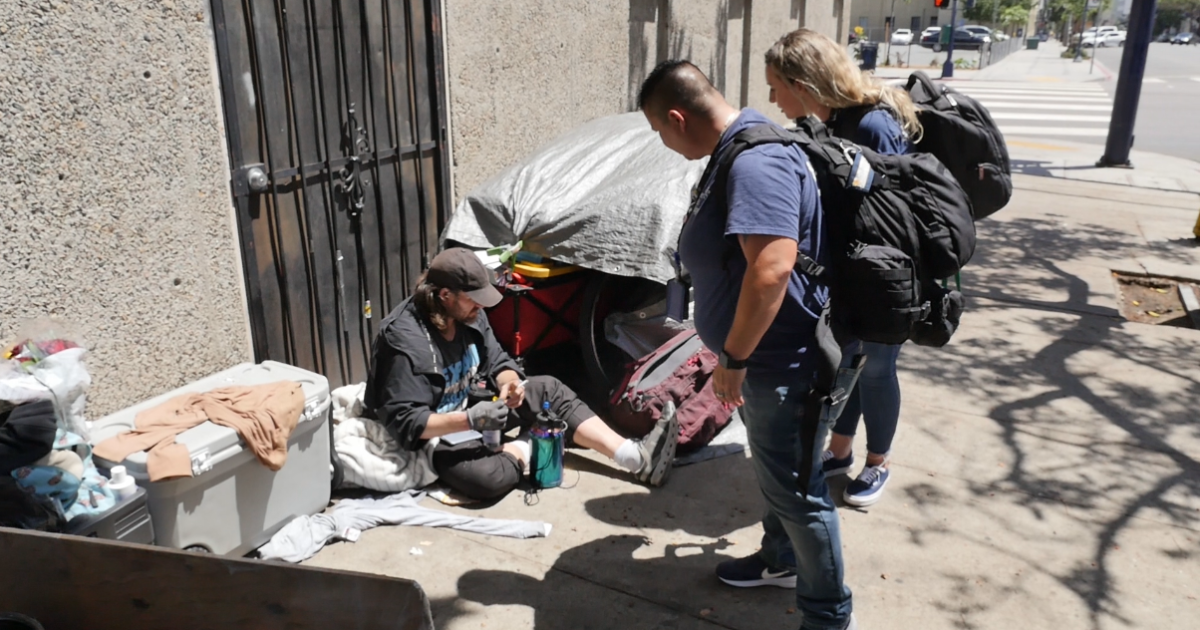
What the Latest Point-in-Time Count Reveals
The most recent Point-in-Time (PIT) count for San San Diego County shows a noticeable dip in the number of people experiencing street homelessness. Conducted in January 2024, the survey recorded 3,812 individuals living on the streets, down from 4,296 in the 2023 count.
Why the Numbers Matter
Point-in-Time counts are a snapshot taken on a single night, providing volunteers, policymakers, and service providers with a clear picture of the scale of homelessness. While the figures are not a full census, they are the most reliable data point for tracking trends over time.
Key Factors Behind the Decline
Several initiatives appear to be driving the recent decrease:
- Housing First projects: The county added 250 permanent‑supportive units in 2023, prioritizing rapid placement without pre‑conditions.
- Expanded outreach teams: Mobile units now operate 24/7, connecting unsheltered individuals with health, employment, and housing resources.
- Winter shelter expansion: Additional low‑cost shelters opened in the downtown corridor, reducing exposure to harsh weather.
Community Partnerships
Collaboration between the County Homelessness Services Department, local nonprofits, faith‑based groups, and the private sector has been essential. Joint funding streams, such as the $42 million “San Diego Homelessness Action Plan,” have enabled rapid deployment of resources.
What the Data Doesn’t Show
Although the PIT count reports fewer people on the streets, it does not capture:
- Individuals staying in informal encampments that are not counted during the survey.
- Those who have moved to temporary housing, such as motels or staying with friends/family (couch‑surfing).
- Hidden homelessness – people living in cars, tents under bridges, or other non‑traditional settings.
These gaps highlight why continuous outreach and longitudinal studies remain crucial.
How Residents Can Help
Community involvement can sustain and accelerate the downward trend:
- Donate: Local charities report a sharp increase in funding needs for supportive services.
- Volunteer: Street outreach teams welcome volunteers for meal distribution, health screenings, and case‑management assistance.
- Advocate: Support policies that fund affordable housing, mental‑health services, and employment programs.
Quick Ways to Take Action
Visit San Diego County Homeless Services to find volunteer opportunities, donate securely, or learn about upcoming town hall meetings.
Looking Ahead
The next PIT count is scheduled for January 2025. Stakeholders are aiming for a further 10‑15% reduction in street homelessness, with a focus on moving people into stable, permanent housing rather than temporary shelters.
Continued data collection, community partnership, and targeted investment will be the keystones of success. If the current trajectory holds, San Diego County could set a regional benchmark for effectively reducing street homelessness.
Conclusion
The latest Point-in-Time count offers a hopeful sign: street homelessness in San Diego County is on the decline. However, the story is far from complete. Ongoing outreach, comprehensive data, and active citizen participation will determine whether this positive trend translates into lasting change for everyone experiencing homelessness.

Comments are closed, but trackbacks and pingbacks are open.