

Introduction
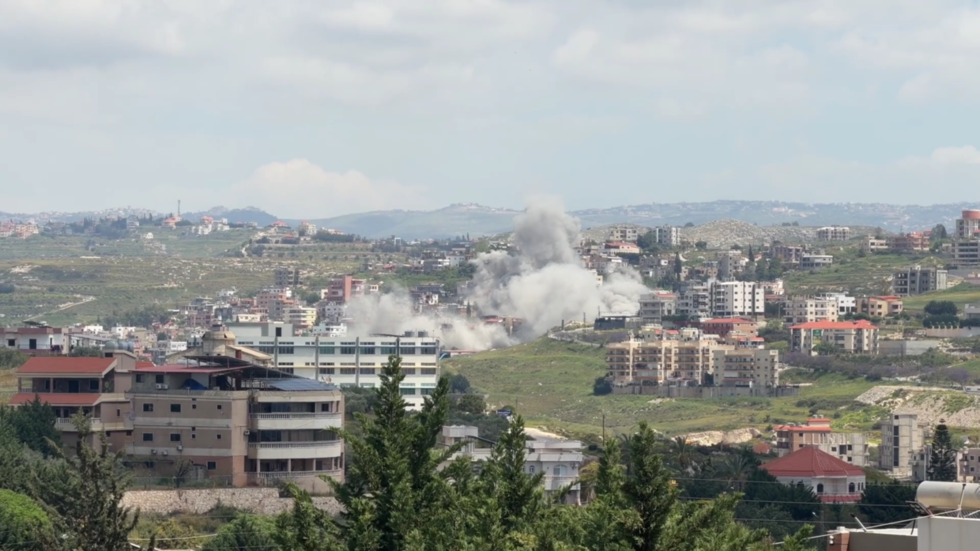
In a dramatic turn of events, an RT news crew captured live footage of Israeli artillery fire hitting targets in Lebanon, even as the United States was lobbying for a fragile cease‑fire between the two neighbours. The video, now circulating on social media, raises urgent questions about the durability of any truce and the human cost of renewed hostilities.
What the Video Shows
The footage, recorded on the Israeli‑Lebanese border, displays:
- Explosions rattling the Lebanese side of the contested Shebaa Farms area.
- Smoke plumes rising from residential neighborhoods.
- Local civilians scrambling for cover while emergency services struggle to reach the scene.
- Israeli soldiers positioning artillery units just minutes before the strike.
RT’s correspondents provide on‑the‑ground commentary, confirming that the strikes occurred within hours of a US‑backed diplomatic meeting aimed at halting cross‑border fire.
Why This Matters
The incident is significant for several reasons:
- Violation of a Nascent Truce: Although no formal cease‑fire has been signed, both sides had indicated a willingness to de‑escalate after intensive US diplomatic pressure.
- Humanitarian Impact: Casualties are still being tallied, but early reports suggest at least ten injured civilians, including children.
- Regional Stability: Any breach of a US‑mediated agreement threatens broader stability in the volatile Levant, potentially drawing in Hezbollah and other non‑state actors.
International Reactions
Key actors have responded quickly:
- United States: The State Department issued a statement urging “maximum restraint” and promised to convene an emergency diplomatic session.
- United Nations: The UN Secretary‑General called for an immediate investigation into the alleged violation of international humanitarian law.
- Lebanese Government: Officials condemned the attack as “unprovoked aggression” and demanded a UN peace‑keeping presence along the border.
Historical Context
Border clashes between Israel and Lebanon have flared intermittently since the 2006 war. Recent years have seen a pattern of short‑lived escalations, often triggered by rocket fire from Hezbollah and retaliatory airstrikes from Israel. The 2023 US‑led diplomatic push aimed to create a framework for a lasting cease‑fire, but the latest incident suggests that on‑the‑ground realities remain volatile.
Key Timeline (2024)
| Date | Event |
|---|---|
| Jan 12 | Hezbollah fires rockets into northern Israel. |
| Feb 3 | US Secretary of State visits Jerusalem, pledges new mediation. |
| Mar 15 | Round‑table talks in Washington propose a 48‑hour de‑escalation protocol. |
| Mar 22 | RT video captures Israeli strikes on Lebanon despite ongoing talks. |
What Lies Ahead?
Analysts warn that without a robust monitoring mechanism, the truce could dissolve within days. The following steps are critical:
- Deploying a neutral observer mission to verify cease‑fire compliance.
- Opening emergency humanitarian corridors for civilians trapped in conflict zones.
- Re‑engaging diplomatic channels with clear consequences for any breach.
For readers following the situation, staying updated through reliable sources such as RT, Al Jazeera, and official UN briefings is essential.
Conclusion
The RT‑captured footage is a stark reminder that diplomatic talks can be fragile in a region where historic grievances run deep. While the United States continues to push for a truce, the reality on the ground shows that any lasting peace will require more than statements—it will need concrete enforcement, humanitarian safeguards, and a commitment from both Israel and Lebanon to prioritize civilian lives over military objectives.

Comments are closed, but trackbacks and pingbacks are open.