

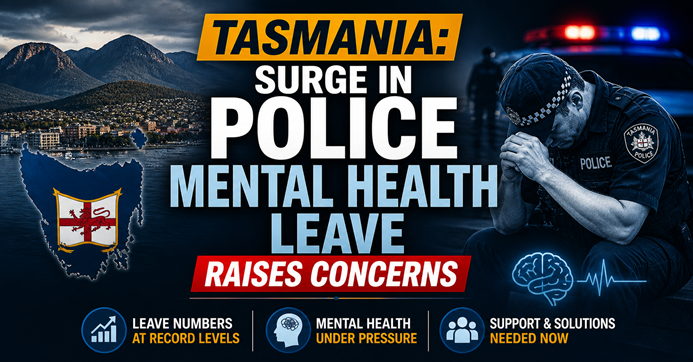
Police forces across Tasmania are experiencing an unprecedented rise in mental health leave, prompting urgent debate about officer wellbeing and public safety. The trend, highlighted by recent VibeOnPoint Media reports, reveals a growing crisis that could reshape policing policies nationwide.
What the Data Shows
According to the Tasmanian Police Department, mental health‑related absences have jumped 48% year‑over‑year. In 2023, more than 1,200 days of leave were recorded, compared with just 810 in 2022. This increase outpaces overall leave trends, which rose only 12% in the same period.
Key Drivers Behind the Surge
Several factors are converging to fuel this rise:
- Operational stress: High‑intensity incidents and extended shift patterns are taking a toll.
- Stigma reduction: Greater awareness encourages officers to seek help, leading to more reported cases.
- Resource constraints: Staffing shortages increase workload, compounding stress levels.
Impact on Community Safety
When officers are out on mental health leave, patrol coverage thins, potentially affecting response times. While protecting officers’ wellbeing is paramount, the public expects consistent policing services. Balancing these priorities is now a strategic challenge for Tasmania’s justice ministry.
Responses from Stakeholders
Government officials, police unions, and mental health advocates have all voiced opinions:
- Government: Premier announced $5 million for a dedicated mental health unit within the police force.
- Police Union: Calls for reduced overtime and more predictable rostering.
- Health Experts: Recommend regular resilience training and on‑site counseling.
Best Practices from Other Jurisdictions
Australian states such as Victoria and Western Australia have piloted successful programs:
- Peer‑support networks that reduce isolation.
- Mandatory debrief sessions after critical incidents.
- Access to 24/7 mental health hotlines specifically for law enforcement.
Adapting these models could help Tasmania mitigate the current surge.
What Can Officers Do Now?
Individual officers can take proactive steps to protect their mental health:
- Schedule regular check‑ins with a trusted peer or counselor.
- Practice brief mindfulness or breathing exercises during breaks.
- Utilise the department’s employee assistance program (EAP) without hesitation.
Looking Ahead
Policymakers are urging a comprehensive review of staffing models, shift designs, and wellness resources. The goal is a sustainable framework that safeguards both officer health and community security.
Conclusion
The surge in mental health leave among Tasmanian police officers is a warning signal—not just for Tasmania, but for law enforcement across Australia. By investing in targeted support, transparent policies, and preventative training, the force can break the cycle of stress and ensure that officers remain resilient, ready, and able to serve the public effectively.

Comments are closed, but trackbacks and pingbacks are open.