
Mental Health Awareness Is Backfiring: New Science Shows How ‘Helpful’ Campaigns Are Manufacturing Illness

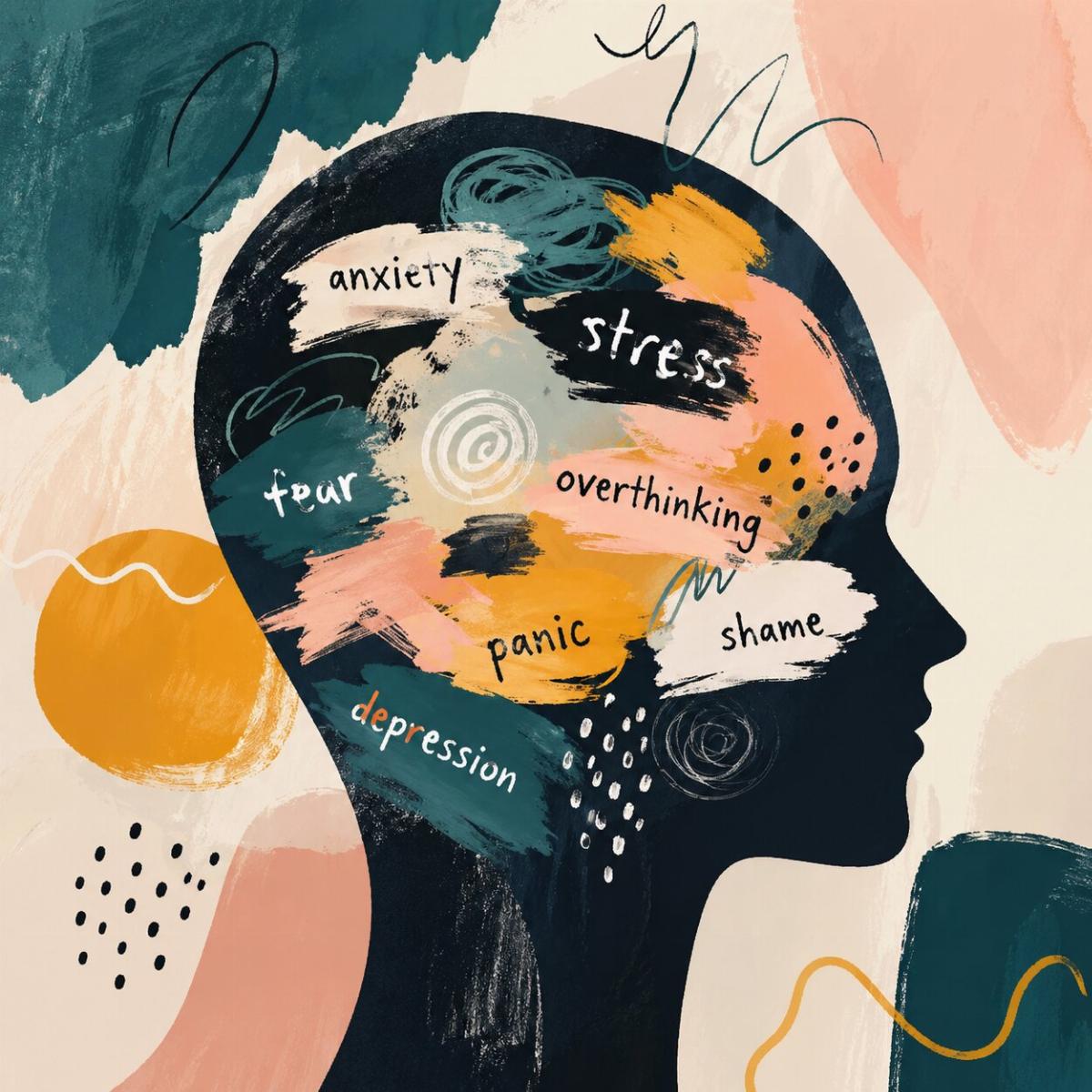
Mental health awareness has become a cornerstone of modern public health campaigns. Organizations worldwide invest millions into destigmatizing mental illness and encouraging people to seek help. Yet emerging scientific research suggests this well-intentioned movement may be producing unintended consequences that contradict its core mission.
The Paradox of Awareness
Recent studies published in psychological and psychiatric journals reveal a troubling pattern: increased mental health awareness correlates with higher rates of mental illness diagnoses in ways that cannot be explained by actual increases in prevalence alone.
Researchers at several major universities have documented what they call the "awareness paradox" — the phenomenon whereby educating the public about mental health symptoms leads some individuals to internalize these descriptions and develop corresponding symptoms they might not have otherwise experienced.
What the Research Shows
A comprehensive meta-analysis examining mental health campaign effectiveness across multiple countries found several concerning trends:
- Symptom Internalization: Studies show that when people learn about mental health symptoms through awareness campaigns, some begin to recognize these symptoms in themselves — a phenomenon psychologists term "suggestibility effect."
- Diagnostic Inflation: Research indicates that the expansion of mental health awareness has coincided with significant increases in diagnoses, particularly for conditions like anxiety and depression that rely heavily on self-reported symptoms.
- Help-Seeking vs. Self-Diagnosis: While awareness campaigns successfully encourage professional help-seeking, they also appear to promote self-diagnosis, which can lead to inappropriate treatment or missed underlying conditions.
Understanding the Mechanism
Dr. Sarah Mitchell, a clinical psychologist specializing in suggestion and placebo effects, explains: "Human beings are remarkably suggestible. When we repeatedly expose populations to detailed descriptions of mental health symptoms, we create a framework through which people interpret their own emotional experiences."
This doesn’t mean mental illness isn’t real or that awareness campaigns are deliberately harmful. Rather, the research suggests that the way we communicate about mental health may need refinement.
The Role of Social Media
Modern mental health awareness has found its primary vehicle in social media platforms. While these platforms democratize information and reduce stigma, they also create echo chambers where symptom-sharing and mutual validation can amplify concerning behaviors.
Studies examining social media mental health content found that posts describing personal experiences with mental illness receive significantly more engagement than posts about recovery or coping strategies — creating incentives that may unintentionally promote illness identity over healing.
Balancing Awareness with Responsibility
The solution isn’t abandoning mental health awareness but rather evolving how we approach it. Experts suggest several evidence-based modifications:
- Focus on Coping Over Symptoms: Campaigns might emphasize resilience-building and coping strategies rather than detailed symptom descriptions.
- Promote Professional Evaluation: Stronger emphasis on professional assessment rather than self-diagnosis could reduce inappropriate symptom internalization.
- Highlight Recovery Narratives: Sharing success stories and recovery journeys may provide more benefit than detailed illness descriptions.
- Contextualize Normal Emotional Experiences: Helping people understand that sadness, anxiety, and stress are normal parts of human experience — not necessarily symptoms requiring medical intervention.
Moving Forward
The relationship between mental health awareness and actual mental wellbeing is more complex than previously understood. This research doesn’t diminish the genuine progress made in reducing stigma or the real benefits of appropriate mental health education.
Rather, it calls for a more nuanced approach — one that maintains the valuable goal of helping those with genuine mental illness while minimizing the unintended consequence of manufacturing illness in otherwise healthy individuals.
As with most public health initiatives, the devil lies in the details. How we communicate about mental health matters just as much as the fact that we communicate about it. The next generation of awareness campaigns must learn from this research to become more effective at their core mission: improving mental health outcomes for everyone.

Comments are closed, but trackbacks and pingbacks are open.