

Why Airlines Downgrade Passengers
Airlines occasionally move passengers to a lower‑class seat. Understanding the common triggers helps you anticipate and avoid them.
- Over‑booking of premium cabins – Carriers sell more seats than the aircraft holds, hoping some will not show up.
- Operational changes – Aircraft swaps, weight restrictions, or last‑minute crew issues can force a cabin re‑configuration.
- Technical problems – A malfunctioning seat or entertainment system may render a row unusable.
- Revenue‑management errors – System glitches sometimes allocate premium tickets to economy seats.
- Frequent‑flyer status misuse – Airlines may downgrade a passenger whose status does not match the ticket class.
Your Legal Rights When Downgraded
European Union (EU) Regulation 261/2004, U.S. Department of Transportation (DOT) rules, and many national consumer laws protect passengers.
EU Flights (EC261)
- If your seat class is lower than booked, you are entitled to a refund of the price difference (full or partial, depending on the fare).
- You may also claim compensation up to €600 if the downgrade results in a delay of 2+ hours.
- Airlines must provide meals, refreshments, and communication during any resulting delay.
U.S. Flights (DOT)
- Airlines must honor the original fare. If the downgrade causes a price difference, they must refund the excess.
- There is no fixed compensation amount, but you can request a voucher or cash reimbursement for the downgrade.
- If the downgrade leads to a missed connection, the carrier must provide alternate transportation or a refund.
Other Regions
Many countries follow similar consumer‑protection principles. Check local aviation authorities for specific guidelines.
How to Respond Immediately
- Stay calm and verify the seat class on your boarding pass.
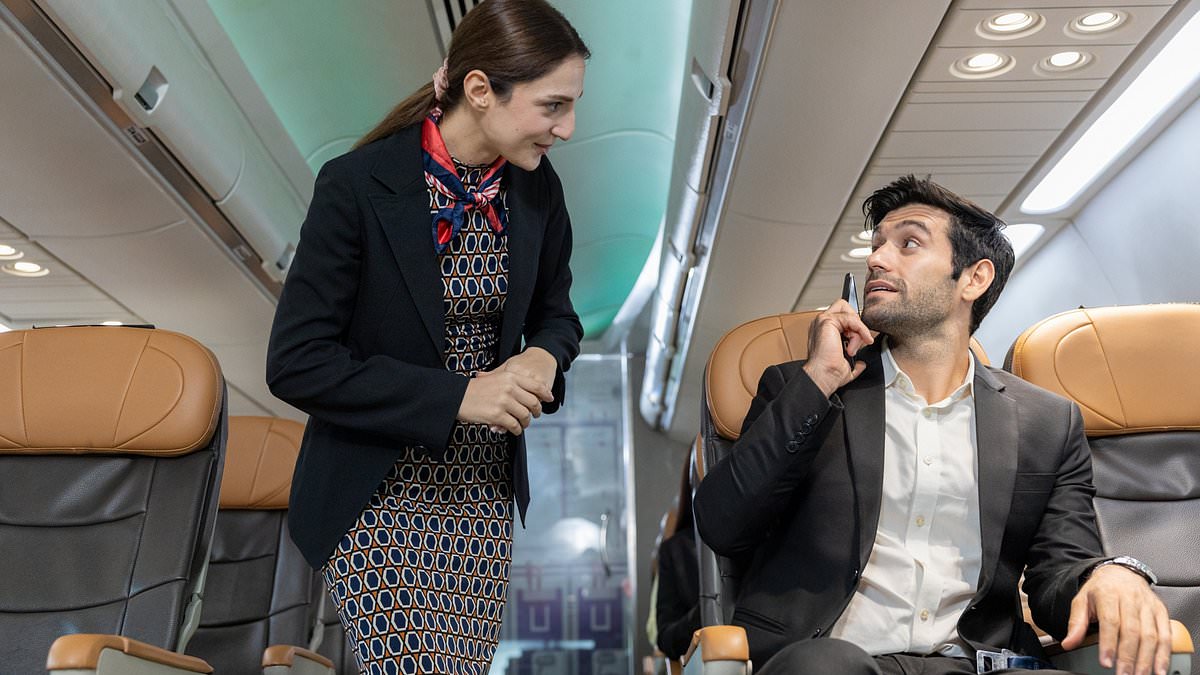
- Ask the gate or cabin crew for an explanation. Polite inquiries often result in an upgrade or compensation.
- Document everything – take photos of the seat, keep receipts, and note staff names.
- Request a written statement of the downgrade and any offered remedy.
- If no solution is offered, contact the airline’s customer‑service desk before leaving the airport.
How to Claim Compensation After the Flight
- Gather evidence: boarding pass, ticket receipt, and any communication from the airline.
- Submit a claim through the airline’s official form or via a consumer‑rights platform.
- Reference the applicable regulation (EC261, DOT, etc.) and state the exact refund or compensation you seek.
- If the airline rejects your claim, consider filing a complaint with the national enforcement body (e.g., European Consumer Centre) or a small claims court.
Preventive Tips for Future Flights
- Book directly with the airline to reduce over‑booking risk.
- Check-in early; early check‑in often secures your original seat.
- Consider travel insurance that includes “downgrade” coverage.
- Enroll in loyalty programs – higher tier members are less likely to be downgraded.
- Keep copies of your ticket details on your phone for quick reference.
Conclusion
Being downgraded can be frustrating, but you are not powerless. Knowing why downgrades happen, understanding your rights under EC261, DOT, or local laws, and acting quickly can turn a setback into a refund or even a future upgrade. Keep records, stay informed, and don’t hesitate to claim what you’re owed.

Comments are closed, but trackbacks and pingbacks are open.