

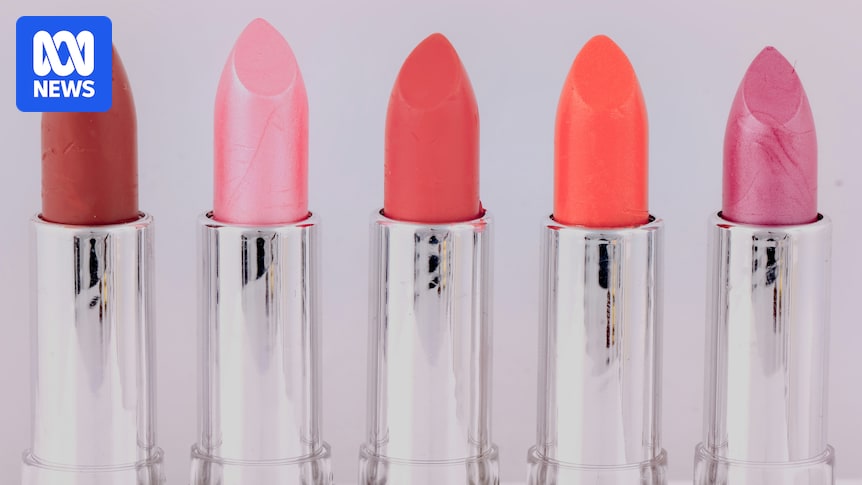
If you’ve noticed your go-to foundation or moisturizer creeping up in price over the past few months, get ready: industry experts confirm cosmetics will soon cost more across every price point and category. From $3 drugstore lip balms to $200 luxury serums, nearly every beauty product is poised for a price hike in the coming 6 to 12 months. But what’s driving this sudden spike? Below, we break down the top factors pushing up cosmetics costs, plus actionable tips to protect your beauty budget.
Why Are Cosmetics Getting More Expensive?
Price hikes in the beauty industry don’t happen in a vacuum. Multiple overlapping factors are pushing up the cost of making and selling cosmetics, with no single cause to blame.
Surging Raw Material and Packaging Costs
Key cosmetic ingredients like hyaluronic acid, shea butter, mica, and synthetic fragrances have seen double-digit price increases over the past 18 months. Supply chain disruptions from major ingredient-producing regions (like West Africa for shea butter, China for synthetic cosmetic actives) have shrunk supply, while post-pandemic demand for skincare and makeup has rebounded faster than production can keep up.
Even basic packaging materials like plastic, glass, and recycled cardboard have jumped in price by 20-30% since 2022, adding an extra $0.50 to $2 to the total cost of each product, depending on size and brand tier.
Rising Labor and Manufacturing Expenses
Most cosmetics brands manufacture products in Asia, Europe, and North America, where minimum wages and factory operating costs have risen sharply. In the U.S., factory worker wages increased 4.5% year-over-year in 2023, while energy costs for manufacturing plants have spiked due to fluctuating oil and gas prices.
Brands operating on thin margins, especially budget and indie labels, have no choice but to pass these costs directly to consumers to avoid cutting product quality or laying off staff.
Tariffs and Trade Policy Shifts
New tariffs on imported cosmetics and beauty ingredients in major markets including the U.S. and EU have made it more expensive to source products and materials from overseas. The U.S. recently extended tariffs on Chinese-made cosmetic packaging and synthetic ingredients, which affects both budget and luxury brands that rely on Chinese suppliers for 60% or more of their components.
Broad Inflation and Resilient Consumer Demand
Broader inflation has pushed up costs across every industry, and beauty is no exception. At the same time, demand for cosmetics remains near record highs: global beauty sales hit $510 billion in 2023, up 8% from 2022, according to McKinsey. Brands know consumers are willing to pay a premium for trusted, high-performing products, so they’re less hesitant to raise prices than in previous economic downturns.
When Will Cosmetics Price Hikes Take Effect?
Most major cosmetics brands plan to roll out price increases between Q3 2024 and Q1 2025, according to industry trade group the Personal Care Products Council. Expected hike ranges vary by brand tier:
- Budget/drugstore brands: 3-5% average increase (e.g., a $6 lipstick would rise to $6.18-$6.30)
- Prestige/mass-market brands: 5-7% average increase (e.g., a $30 moisturizer would rise to $31.50-$32.10)
- Luxury/indie brands: 7-15% average increase (e.g., a $100 serum would rise to $107-$115)
Smaller indie brands, which have less leverage to negotiate lower supplier costs, may see even steeper increases of 10-15% across their entire product lines.
How to Save on Cosmetics as Prices Rise
You don’t have to overhaul your entire beauty routine to avoid overspending. Follow these simple tips to cut costs as cosmetics will soon cost more:
- Stock up on staples now: If you have a holy grail moisturizer, foundation, or sunscreen, buy 1-2 extra units now before price hikes take effect. Most unopened cosmetics have a shelf life of 12-24 months, so you won’t waste product.
- Switch to multi-use products: A tinted moisturizer with SPF replaces separate foundation, moisturizer, and sunscreen, cutting down on the number of products you need to buy. Multi-use cheek and lip tints also eliminate the need for separate blush and lipstick.
- Shop sales and loyalty programs: Sign up for brand email lists to get early access to sitewide sales, and use rewards points to offset full-price purchases. Many drugstore brands offer buy-one-get-one-50%-off deals monthly.
- Try dupes for luxury products: Many drugstore brands offer near-identical formulas to high-end serums, mascaras, and lipsticks at a 60-70% lower cost. Check beauty TikTok or Reddit threads for vetted dupes for your favorite luxury items.
- Buy in bulk (when it makes sense): For products with long shelf lives (like body lotion, shampoo, or bar soap), buying family-size or multi-packs can save 20-30% per ounce. Avoid bulk buying perishable items like vitamin C serums or liquid eyeliner, which expire quickly once opened.
Will These Price Hikes Be Permanent?
Industry analysts say most of these price increases will be permanent, not temporary. While raw material costs may stabilize in late 2025, labor and tariff costs are unlikely to drop significantly in the near future. That means the days of $5 drugstore lipsticks and $30 luxury serums may be fading fast.
Final Takeaway
Cosmetics will soon cost more for a mix of supply chain, labor, and policy reasons beyond brands’ control. While price hikes are never welcome, planning ahead and adjusting your shopping habits can help you keep your beauty routine affordable. Keep an eye on brand announcements in the coming months, and stock up on your must-haves before prices climb.

Comments are closed, but trackbacks and pingbacks are open.