
US Intelligence Finds Limited New Damage to Iran’s Nuclear Program

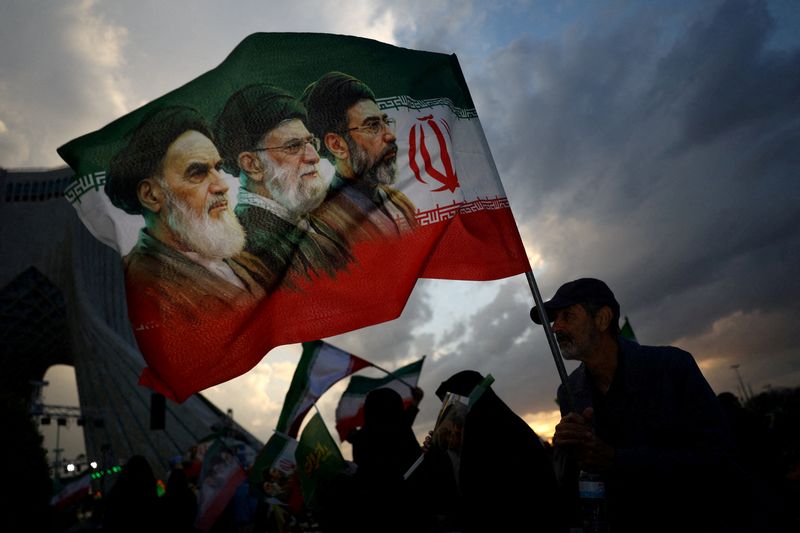
What the Latest U.S. Intelligence Says About Iran’s Nuclear Program
Recent diplomatic cables and classified briefings have surfaced, indicating that U.S. intelligence agencies see only limited new damage to Iran’s nuclear infrastructure. This update challenges the prevailing narrative of a rapidly deteriorating program and reshapes the strategic calculus for policymakers across the globe.
Key Takeaways
- Minimal Setbacks: Satellite imagery and on‑the‑ground reports show that only a few peripheral facilities experienced minor disruptions.
- Core Capabilities Intact: Uranium enrichment centrifuges at Natanz and the heavy‑water reactor at Arak remain operational.
- Sanctions Impact: While economic pressure continues, it has not translated into a decisive blow to the nuclear chain.
Why This Matters for Regional Security
Understanding the true state of Iran’s nuclear program is crucial for both allies and adversaries. Overestimating damage can lead to complacency, whereas underestimating Tehran’s resilience may spark unnecessary escalation.
Implications for Diplomatic Efforts
- Negotiations: The data suggests that the Joint Comprehensive Plan of Action (JCPOA) framework still has leverage.
- Deterrence: A realistic assessment helps calibrate military options, avoiding unnecessary force.
- Allied Coordination: Europe and the Middle East can align their policies based on a shared intelligence baseline.
How the Intelligence Was Gathered
The assessment combines multiple sources:
- High‑resolution satellite imagery from commercial providers.
- Human intelligence (HUMINT) from regional contacts.
- Signals intelligence (SIGINT) intercepting command‑and‑control communications.
Cross‑referencing these streams allows analysts to filter out noise and focus on concrete evidence of activity on the ground.
What Might Change Next?
Future developments could alter the current picture:
- Escalated Sanctions: New trade restrictions could choke supply lines for critical components.
- Technological Sabotage: Covert cyber‑operations targeting centrifuge control systems.
- Regional Conflict: Any direct confrontation could result in collateral damage to nuclear sites.
Bottom Line for Readers
While the headline sounds reassuring—"limited new damage"—the underlying message is that Iran’s nuclear program remains functional and capable. Stakeholders should interpret this as a call for nuanced diplomacy rather than an invitation for complacency.
What You Can Do
If you follow international security, stay updated with reputable sources like the International Crisis Group or official statements from the U.S. Department of State. Knowledge is the first step toward informed advocacy.
Conclusion
The latest U.S. intelligence paints a picture of a nuclear program that, despite facing sanctions and intermittent setbacks, continues to operate with core capabilities intact. This balanced view should guide future policy, media coverage, and public discourse.

Comments are closed, but trackbacks and pingbacks are open.