

A Breakthrough in Waste Management and Sustainable Agriculture
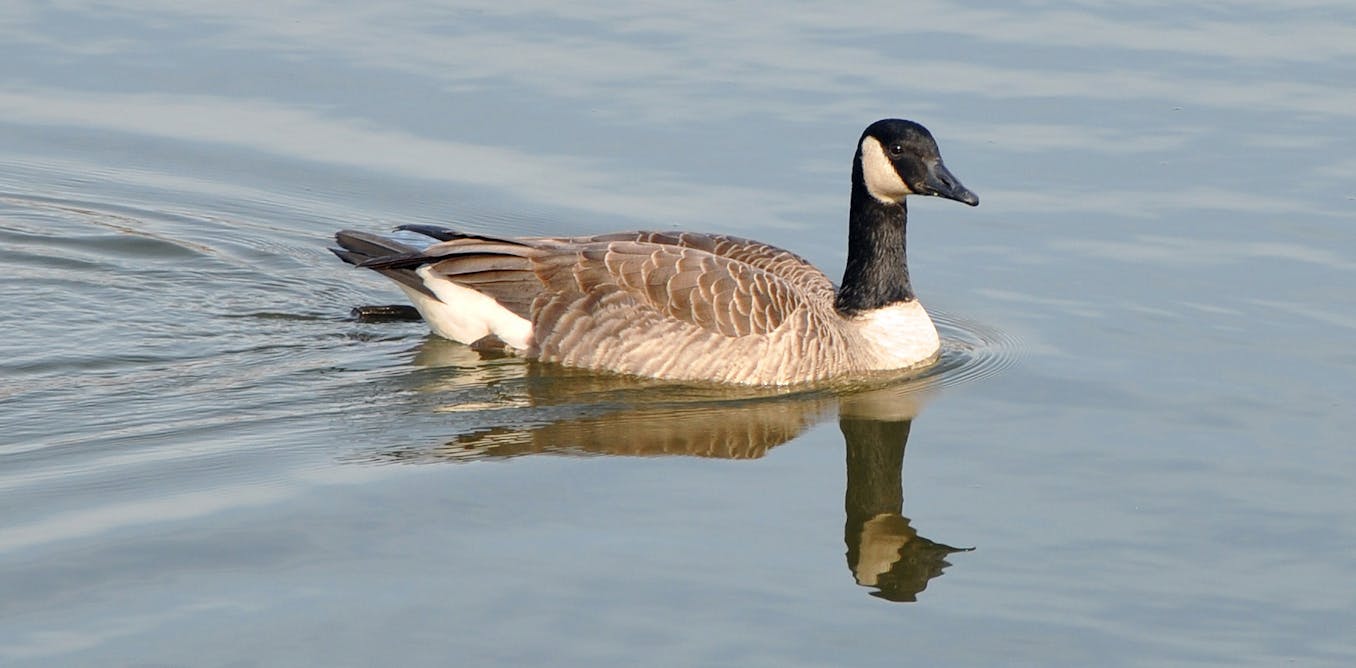
In an unexpected twist of environmental innovation, scientists and agricultural researchers have developed a method to transform Canada goose waste into valuable products: chicken feed and crop fertilizer. This groundbreaking approach addresses two pressing issues simultaneously—managing the abundant goose population waste and reducing the environmental footprint of agriculture.
Canada geese are notorious for their droppings, which accumulate in parks, golf courses, and waterfront areas across North America. Their waste not only creates unsightly messes but also contributes to water pollution through runoff. Now, this very waste is being reimagined as a resource rather than a problem.
How the Conversion Process Works
The transformation process involves several carefully controlled steps to ensure safety and nutritional value:
- Collection and Sorting: Goose waste is gathered from designated areas and sorted to remove debris such as grass, feathers, and other contaminants.
- Drying and Processing: The collected material undergoes thorough drying to reduce moisture content and eliminate harmful pathogens.
- Nutrient Enrichment: The processed waste is analyzed for its nutritional profile and enriched with additional minerals as needed.
- Formulation: For chicken feed, the material is blended with other ingredients to create a balanced nutritional formula. For fertilizer, it’s processed into pellets or powder forms.
Benefits for Agriculture and the Environment
This innovative approach offers numerous advantages:
Environmental Impact
By converting goose waste into useful products, we reduce the amount of waste ending up in landfills and waterways. This helps protect aquatic ecosystems and reduces the need for synthetic fertilizers that can harm the environment.
Cost-Effective Solution
Farmers and agricultural businesses can potentially access affordable feed and fertilizer options. The process turns a costly waste management problem into an economic opportunity.
Nutritional Value
Canada goose manure contains valuable nutrients including nitrogen, phosphorus, and potassium—essential elements for plant growth. When processed into fertilizer, it provides a natural alternative to chemical fertilizers. As chicken feed, it offers protein and other nutrients that contribute to poultry health.
The Future of Goose Waste Utilization
This innovation represents a shift toward circular economy principles in agriculture. Rather than viewing goose waste as purely a nuisance, researchers see it as part of a sustainable solution for modern farming challenges.
Early trials have shown promising results, with crops fertilized using processed goose manure demonstrating healthy growth patterns. Similarly, chickens fed with the formulated feed have shown no adverse effects and maintained good health metrics.
As the technology develops further, we can expect to see more widespread adoption of this practice. Parks and urban areas may eventually benefit from partnerships with agricultural operations, creating a sustainable cycle where waste becomes a valuable resource.
Conclusion
The transformation of Canada goose waste into chicken feed and crop fertilizer marks a significant advancement in sustainable agriculture and waste management. This innovative approach demonstrates how creative problem-solving can turn environmental challenges into opportunities. As research continues and the process becomes more refined, we may see goose waste become a common ingredient in agricultural products across the continent—proving that sometimes, solutions to our biggest problems can come from the most unexpected sources.

Comments are closed, but trackbacks and pingbacks are open.