

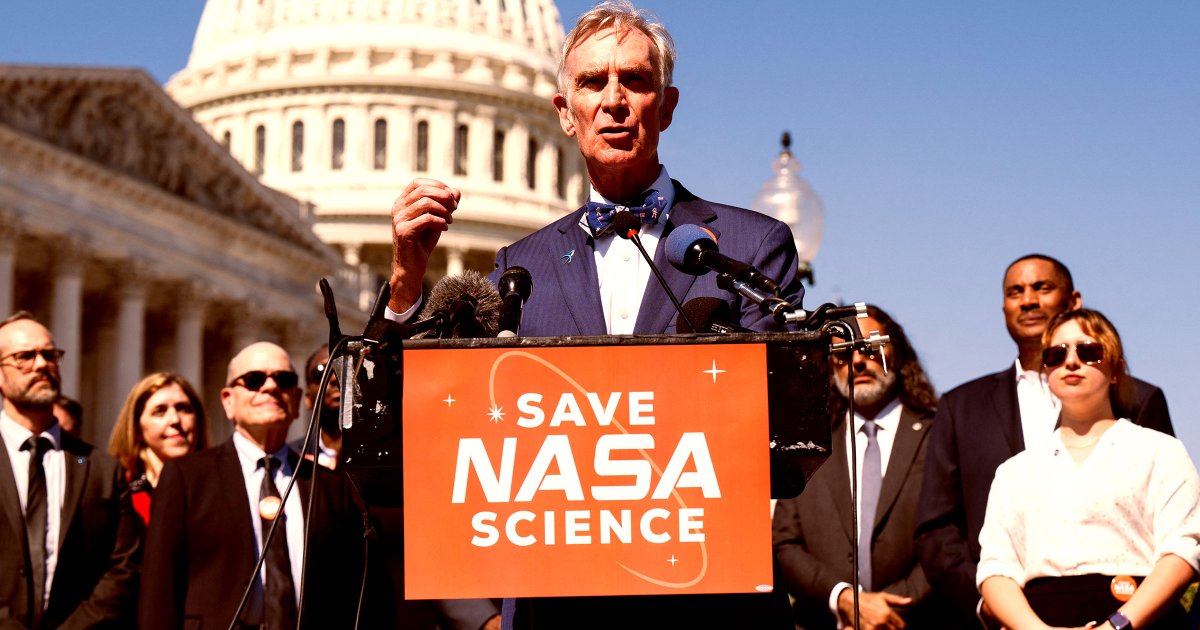
Scientists and Lawmakers Horrified at Trump’s Brutal Budget for NASA
The Trump administration’s latest proposed budget for NASA has drawn rare unified condemnation from both the scientific community and bipartisan lawmakers, with critics calling the plan a "devastating blow to American innovation and global leadership in space and climate research."
What’s Included in the Proposed NASA Budget?
The $20.7 billion request, unveiled last week, includes steep cuts to programs that experts say are critical to national security, scientific progress, and public safety. Key reductions include:
- A 52% cut to NASA’s Earth Science Division, eliminating five active missions tracking climate change, sea level rise, and air quality, and canceling three planned Earth observation projects.
- Complete defunding of the NASA STEM Engagement Office, which funds K-12 science education programs, university research grants, and internships for underrepresented students.
- Delayed funding for critical Artemis program components, pushing back the planned first crewed lunar landing by 18 months and cutting support for lunar surface research initiatives.
- A 30% reduction in research funding for the Jet Propulsion Laboratory, threatening ongoing Mars sample return missions and outer planet exploration projects.
Bipartisan Lawmaker Backlash
Lawmakers from both parties have slammed the proposal, breaking with typical partisan divides on space policy. Democratic Representative Eddie Bernice Johnson, chair of the House Science, Space, and Technology Committee, called the budget "a direct attack on the scientific infrastructure that has made America the global leader in space exploration."
Republican Senator Marco Rubio of Florida, a key voice on defense and space policy, warned the cuts would "cede our space dominance to China and Russia, while leaving our communities vulnerable to climate-driven disasters we can no longer track."
The House Appropriations Committee voted unanimously last week to restore $3.2 billion in cut funding, with a full floor vote scheduled for next month.
Scientific Community Sounds the Alarm
Over 2,100 current and former NASA scientists, including 12 former NASA chief scientists, signed an open letter opposing the budget, calling the Earth science cuts "unprecedented and reckless."
"These cuts will set back climate research by a decade, leaving farmers, emergency managers, and coastal communities without the data they need to prepare for floods, droughts, and wildfires," said Dr. Katherine Calvin, NASA’s former chief climate scientist. "We’re not just cutting programs—we’re cutting our ability to protect American lives."
University researchers also warn the STEM funding cuts will shrink the pipeline of future scientists and engineers, with underrepresented student groups hit hardest.
What’s Next for the Budget?
The proposed budget is only a request—it must pass both the House and Senate, then be signed by the president, to take effect. Advocacy groups are pushing for amendments to restore full funding to Earth science and STEM programs, with a coalition of 40+ scientific organizations launching a public awareness campaign this week.
Congressional aides say final negotiations will be closely watched, as the budget’s fate will shape U.S. space and climate policy for years to come.
Conclusion
The unprecedented backlash to Trump’s NASA budget highlights how deeply the agency’s work is tied to public welfare, scientific progress, and national security. As lawmakers prepare to vote, experts stress that restoring cut funding is not just a matter of supporting science—it’s a matter of protecting America’s future.

Comments are closed, but trackbacks and pingbacks are open.