

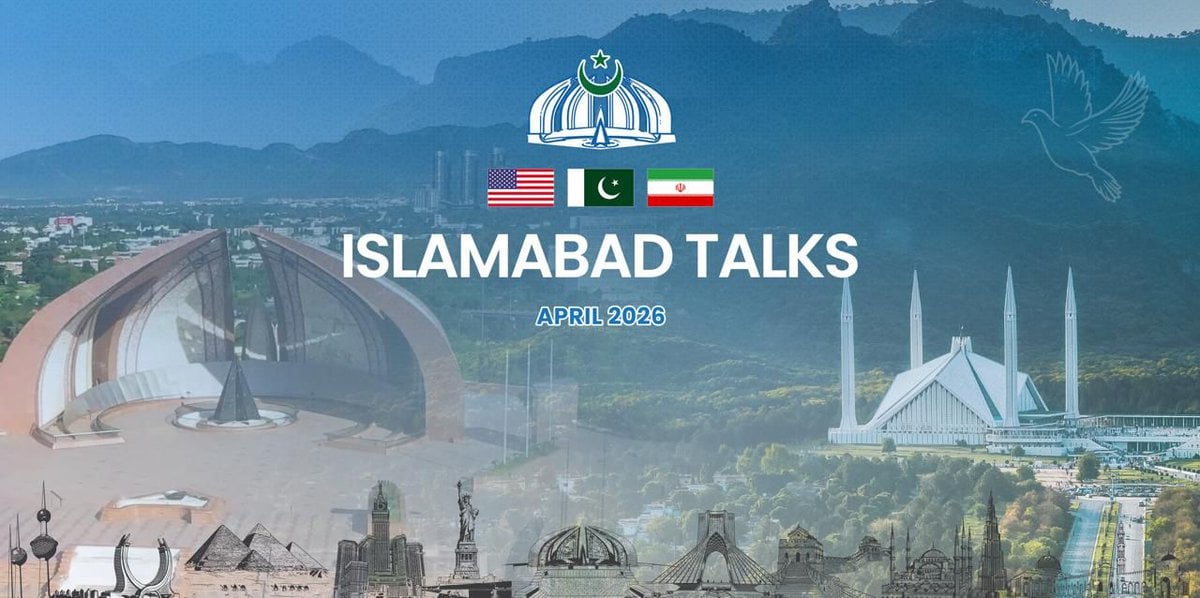
The Trap of Eternity: Analyzing the Islamabad Talks
In the realm of international diplomacy, few events carry the weight of expectation quite like the Islamabad Talks. These negotiations represent more than just a meeting between nations—they symbolize the fragile hope for peace in a region that has known conflict for decades. Yet, as history has shown us, the path to lasting peace is rarely straightforward, and the danger of getting trapped in endless cycles of negotiation is very real.
Understanding the Context of Islamabad Negotiations
The Islamabad Talks have emerged as a critical focal point in South Asian geopolitics. These diplomatic engagements bring together key stakeholders in an attempt to resolve longstanding disputes and build frameworks for future cooperation. The significance of holding such talks in Islamabad—a city that has witnessed both triumph and tragedy in the pursuit of peace—cannot be overstated.
What makes these negotiations particularly complex is the layered history of the region. Decades of mistrust, border disputes, and security concerns create an environment where every word carries immense weight. The challenge lies not just in reaching agreements, but in ensuring that these agreements translate into tangible improvements for ordinary citizens.
The Eternal Loop: When Diplomacy Becomes a Trap
There is a growing concern among analysts that diplomatic negotiations can sometimes become an end in themselves—a trap of eternity where the process overshadows the outcome. This phenomenon is particularly dangerous because it creates an illusion of progress while fundamental issues remain unresolved.
The trap manifests in several ways:
- Endless rounds of talks that produce the same outcomes without meaningful progress
- Symbolic gestures that replace substantive policy changes
- Domestic political considerations that prioritize the appearance of negotiation over actual resolution
- Technical delays that push difficult decisions indefinitely into the future
When talks become perpetual, they risk becoming a comfortable status quo that benefits those who prefer the ambiguity of negotiation to the risks of concrete decisions. This is the essence of the trap of eternity—a diplomatic limbo where nothing changes, yet everything appears to be in motion.
The Stone Age Analogy: Regression or Stagnation?
The reference to the "Stone Age" in the context of modern diplomacy might seem jarring at first glance. However, this analogy speaks to a profound truth about the nature of conflict and negotiation in our times. Just as the Stone Age represented a period when human progress was measured in millennia, some aspects of regional politics appear to move at a glacial pace.
This "Stone Age" mentality manifests in several troubling ways:
- Outdated thinking that fails to account for modern realities and changing global dynamics
- Rigid positions that refuse to adapt to new information or changing circumstances
- Zero-sum mentalities that view every negotiation as a winner-take-all scenario
- Historical grievances that take precedence over future possibilities
The danger of this approach is that it traps nations in a loop of repetition. When negotiators refuse to move beyond historical narratives and embrace innovative solutions, they condemn their peoples to relive the conflicts of the past.
Breaking Free: Pathways to Meaningful Progress
Escaping the trap of eternity requires a fundamental shift in approach. It demands that all parties move beyond the comfort of endless negotiation and embrace the discomfort of concrete decisions. This does not mean rushing toward ill-conceived agreements, but rather approaching talks with clear objectives and genuine willingness to compromise.
Key elements for breaking free include:
- Clear timelines with measurable milestones and accountability mechanisms
- Public engagement that creates pressure for substantive outcomes
- Creative problem-solving that explores unconventional solutions to longstanding disputes
- Trust-building measures that demonstrate good faith beyond formal negotiations
- Regional cooperation that expands the circle of stakeholders invested in peace
The Way Forward
The Islamabad Talks represent both an opportunity and a challenge. They offer a platform for dialogue, but they also carry the risk of becoming another chapter in the endless saga of negotiations that produce little results. The key lies in learning from past experiences and approaching these talks with fresh perspectives.
For the region to move beyond the Stone Age of diplomacy, all parties must demonstrate genuine commitment to change. This means being willing to take risks, make difficult choices, and ultimately trust that peace is possible even when the path forward seems uncertain.
The trap of eternity is real, but it is not inevitable. With the right approach, the Islamabad Talks can become a turning point rather than another footnote in the long history of regional conflicts. The choice ultimately lies with the negotiators and the peoples they represent.

Comments are closed, but trackbacks and pingbacks are open.