

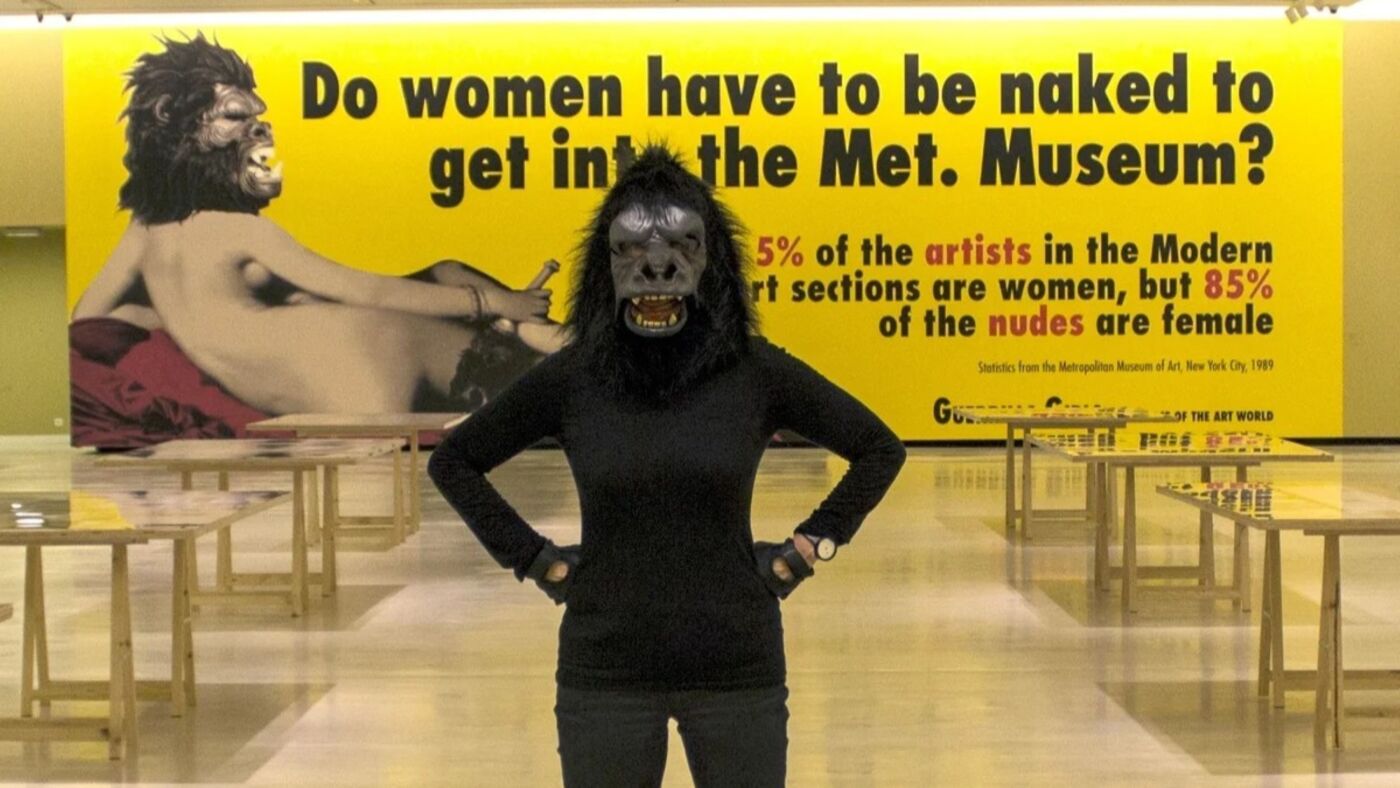
The art world can seem polished, elite, and—unfortunately—still riddled with gender bias. Enter the Guerilla Girls, a secretive collective of feminist activists who have been exposing inequality in museums, galleries, and cultural institutions for over three decades. Their daring posters, witty statistics, and anonymous personas have turned the art scene into a platform for social change.
Who Are the Guerilla Girls?
Formed in 1985 by a handful of women artists in New York, the Guerilla Girls adopted the name of the World War II resistance group to signal their covert, confrontational approach. Wearing gorilla masks and using pseudonyms drawn from female figures in history—like "Frida Kahlo" or "Coco Chanel"—they protect their identities while keeping the focus on the message.
Core Mission
- Expose sexism and racism in the art world.
- Demand equal representation for women and artists of color.
- Provide actionable data that galleries and museums can’t ignore.
Signature Tactics That Capture Attention
Their tactics blend visual impact with hard-hitting facts. Below are the most recognizable strategies they use:
1. Bold Posters & Billboards
Classic examples include the iconic "Do women have to be naked to get into the Met Museum?" poster, which juxtaposes a nude female figure with statistics showing the underrepresentation of women artists. These works appear in public spaces, subways, and even museum windows.
2. Guerrilla-Style Humor
By turning data into witty slogans—"Women are underrepresented in art, 1/100"—they make complex issues instantly understandable.
3. Research‑Driven Fact Sheets
Each campaign is backed by rigorous research. For instance, a 2013 study revealed that only 5% of artists in major museum collections were women, a figure the Girls highlight in every press release.
Impact on Museums and Galleries
While the Guerilla Girls don’t control museum policies, their pressure has led to measurable change:
- The Museum of Modern Art (MoMA) increased its acquisition of women artists from 12% to 30% within a decade after repeated campaigns.
- The Whitney Museum announced a 2020 target to achieve 50% gender parity in its exhibitions by 2025.
- Many institutions now publish annual diversity reports, a direct response to the Girls’ demand for transparency.
How to Join the Movement (Even Anonymously)
You don’t need a gorilla mask to support the cause. Here are practical ways beginners can get involved:
- Educate yourself – Visit the official Guerilla Girls website for research reports and downloadable posters.
- Share statistics on social media with the hashtag
#GuerillaGirlsto amplify their data. - Volunteer or donate to local women‑focused art programs that align with the Girls’ mission.
- Organize a pop‑up exhibition featuring works by under‑represented artists in your community.
Conclusion: Why the Guerilla Girls Still Matter
Their power lies in turning numbers into narratives that demand accountability. As long as museums and galleries overlook gender and racial imbalances, the Guerilla Girls will keep infiltrating walls with masks, humor, and irrefutable data—proving that art activism can be both clever and consequential.
Ready to make the art world more inclusive? Start by spreading the Girls’ facts, supporting diverse creators, and demanding transparency from cultural institutions.

Comments are closed, but trackbacks and pingbacks are open.