

“I feel scammed,” says Maria Dela Cruz, a 32-year-old registered nurse from the Philippines who has called Sweden home for six years. “I’ve paid taxes, learned Swedish, volunteered at local community centers, and now they’re moving the goalposts. It feels like all my hard work doesn’t matter.”
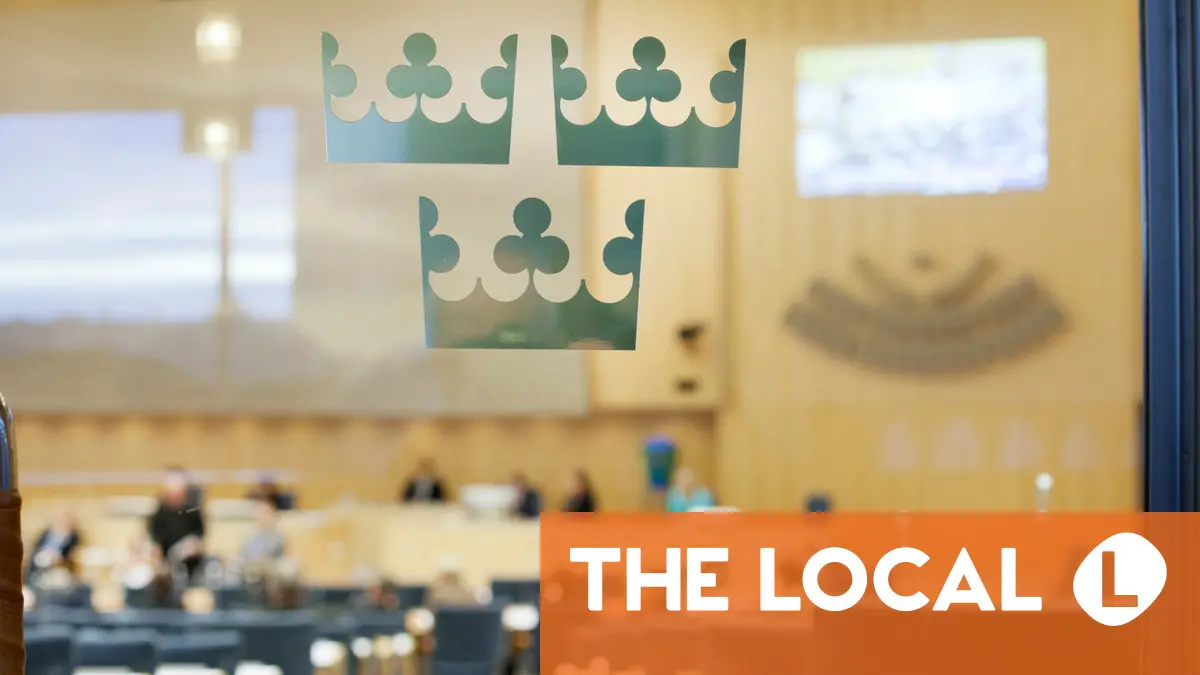
Maria is one of thousands of foreigners in Sweden reacting with anger and disbelief to a controversial citizenship vote passed by the Swedish parliament this week. The narrow 174-175 vote approved sweeping changes to the country’s citizenship rules, marking the biggest overhaul of the system in decades.
What the Controversial Citizenship Vote Changes
The new rules, set to take effect in January 2025, were championed by Sweden’s center-right government with support from the far-right Sweden Democrats. Proponents argue the changes will strengthen integration and reduce long-term welfare dependency. Critics call the bill discriminatory and economically short-sighted.
Key Changes to Sweden’s Citizenship Rules
- Residency requirement extended from 5 to 8 years for most adult applicants
- Mandatory Swedish language proficiency test (B1 level) for all applicants over 18
- Compulsory civic integration exam covering Swedish history, legal systems, and social norms
- Proof of 2 consecutive years of full-time employment or self-employment prior to application
- Stricter background checks, including review of social media activity and public statements
‘I Feel Scammed’: Personal Reactions from Foreigners in Sweden
Reactions from the foreign resident community have been overwhelmingly negative. Ahmed Hassan, a 41-year-old Syrian refugee who has lived in Malmö for seven years, says the vote has shattered his sense of belonging. “I fled war to build a life here. I have a job, my kids go to Swedish schools, I speak the language. Now they tell me I have to wait three more years? It’s unfair.”
Lena Müller, a 29-year-old software engineer from Germany, moved to Stockholm in 2021 for a tech job. “I assumed the 5-year residency rule applied to me, so I’ve been planning to apply next year,” she says. “Extending it to 8 years means I’ll be waiting until 2029. I’m considering moving to another EU country with fairer rules.”
Migrant rights groups report a surge in calls from anxious residents since the vote. “We’ve heard from people who have sold assets in their home countries, turned down job offers elsewhere, and built entire lives here based on the old rules,” says Erik Johansson, spokesperson for the Swedish Migrant Association. “This vote has created massive uncertainty and distress.”
Why the Vote Was So Controversial
Supporters of the bill argue the changes address gaps in the old system, where some citizens struggled to integrate fully into Swedish society. “Citizenship is a privilege, not a right,” said Finance Minister Elisabeth Svantesson, who spearheaded the bill. “These rules ensure new citizens have the skills and ties to contribute to Sweden long-term.”
Opposition parties, including the Social Democrats and Greens, voted against the bill. “This is a deliberate attempt to exclude vulnerable groups, including refugees and low-income workers,” said Social Democrat leader Magdalena Andersson. “Sweden will face labor shortages in healthcare, tech, and construction if we turn away skilled foreign workers with these rules.”
The Sweden Democrats, which holds the balance of power in parliament, made tightening citizenship rules a key condition of their support for the government. The party claims the changes will reduce crime and protect Swedish cultural identity.
What Comes Next for Aspiring Citizens
Current applicants have until December 31, 2024, to apply under the old rules. Migrant rights groups have already filed legal challenges to the new bill, arguing it violates EU free movement laws and Sweden’s international human rights obligations.
For those planning to apply after 2025, experts recommend:
- Enrolling in Swedish language classes immediately to reach B1 proficiency
- Keeping detailed records of all employment, volunteer work, and language study
- Consulting a migration lawyer to check eligibility under the new rules
- Staying up to date on legal challenges that could delay or alter the changes
The controversial citizenship vote has exposed deep divides in Swedish society over immigration and national identity. For thousands of foreigners who have built lives in Sweden, the new rules feel like a betrayal of the country’s long-standing reputation as a welcoming, inclusive nation. As legal battles loom and residents weigh their options, one thing is clear: the debate over who gets to call themselves Swedish is far from over.
Have you been affected by Sweden’s new citizenship rules? Share your reaction in the comments below.

Comments are closed, but trackbacks and pingbacks are open.