

Introduction
When a jockey hangs up the silks, the challenges don’t end at the finish line. In Irish horseracing, the transition from professional riding to retirement is fraught with physical, mental and financial hurdles. Service providers—career counsellors, physiotherapists, unions and welfare bodies—play a crucial role in delivering retirement‑specific support. This article explores the current landscape of those services, identifies the main barriers that stop jockeys from using them, and highlights the facilitators that can boost uptake.
What Retirement‑Specific Services Exist?
Irish horseracing offers a growing portfolio of programmes designed specifically for riders leaving the sport:
- Career Transition Coaching: One‑to‑one sessions that map transferable skills, explore new industries and assist with CV writing.
- Physical Rehabilitation & Health Monitoring: Tailored physiotherapy, gait analysis and long‑term injury management funded by the Irish Jockey Club.
- Mental‑Health Support: Confidential counselling, peer‑support groups and stress‑management workshops run by the Irish Racing Welfare Trust.
- Financial Planning Services: Pension advice, debt counselling and guidance on accessing state benefits.
- Education & Training Grants: Scholarships for apprenticeships, university courses and vocational qualifications.
Perceived Barriers to Using the Services
1. Stigma and Cultural Attitudes
Many jockeys view needing help as a sign of weakness. A prevailing ‘tough‑it‑out’ mentality discourages open discussion about mental or financial struggles, leading to under‑utilisation of support programmes.
2. Lack of Awareness
Even when services exist, riders often are unaware of the specifics—what is offered, how to access it, and whether it is free. Communication gaps between governing bodies and the jockey community amplify this issue.
3. Timing and Accessibility
Training schedules, travel commitments and the uncertainty of a racing career mean jockeys may miss outreach windows. Remote riders in rural stables also face logistical barriers to attending in‑person sessions.
4. Perceived Relevance
Some riders assume services are only for those with severe injuries or financial crises. They may not see the value in early‑stage career planning or preventive health checks.
5. Administrative Hurdles
Complex application forms, lengthy waiting lists and unclear eligibility criteria can deter even motivated individuals.
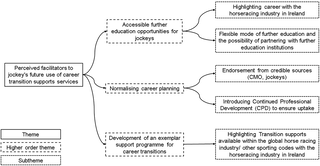
Facilitators That Encourage Uptake
1. Peer Advocacy
When respected senior jockeys share positive experiences, younger riders are more likely to engage. Peer‑led information sessions and mentorship schemes boost credibility.
2. Integrated Service Hubs
Co‑locating physiotherapy, counselling and career advice under one roof reduces travel time and simplifies referrals.
3. Proactive Communication
Targeted newsletters, text reminders and a dedicated online portal that outlines step‑by‑step pathways make the process transparent.
4. Flexible Delivery Models
Virtual workshops, tele‑counselling and mobile physiotherapy units accommodate riders’ itinerant lifestyles.
5. Incentive Programs
Offering small grants, certification credits or discounts on equipment for participants creates tangible rewards for engagement.
Actionable Recommendations for Service Providers
- Launch a ‘Jockey Exit Checklist’ that outlines every support option and the ideal timing to access it.
- Partner with trainers and stables to embed brief awareness sessions into routine meetings.
- Develop a peer‑mentor network where retired jockeys act as ambassadors.
- Streamline application processes with a single digital form that routes requests to the appropriate department.
- Invest in hybrid service delivery – combine face‑to‑face hubs in Dublin and Cork with robust online tools.
Conclusion
Retirement is a pivotal moment for Irish jockeys, and the right support can turn a potentially risky transition into a sustainable new chapter. By tackling stigma, improving awareness and offering flexible, peer‑endorsed services, providers can remove the barriers that currently limit uptake. The ultimate goal is simple: ensure every professional jockey has the resources to thrive long after the final race.

Comments are closed, but trackbacks and pingbacks are open.