

Introduction
Recent research suggests that the shingles vaccine may do more than prevent a painful rash—it could also reduce the risk of heart attacks and strokes. This breakthrough study is generating buzz among doctors and patients alike, and many are wondering what it means for everyday health decisions.
What the Study Found
A large, population‑based analysis tracked adults over 50 who received the recombinant zoster vaccine (RZV, brand name Shingrix). Compared with unvaccinated peers, vaccinated individuals experienced:
- 9% fewer major heart attacks (myocardial infarctions) within the first year after vaccination.
- 12% lower incidence of ischemic strokes during the same period.
- A sustained benefit that persisted for up to three years in most age groups.
The researchers controlled for common cardiovascular risk factors—such as hypertension, diabetes, and smoking—to isolate the vaccine’s effect.
Why Might a Shingles Shot Protect the Heart?
Reducing Inflammation
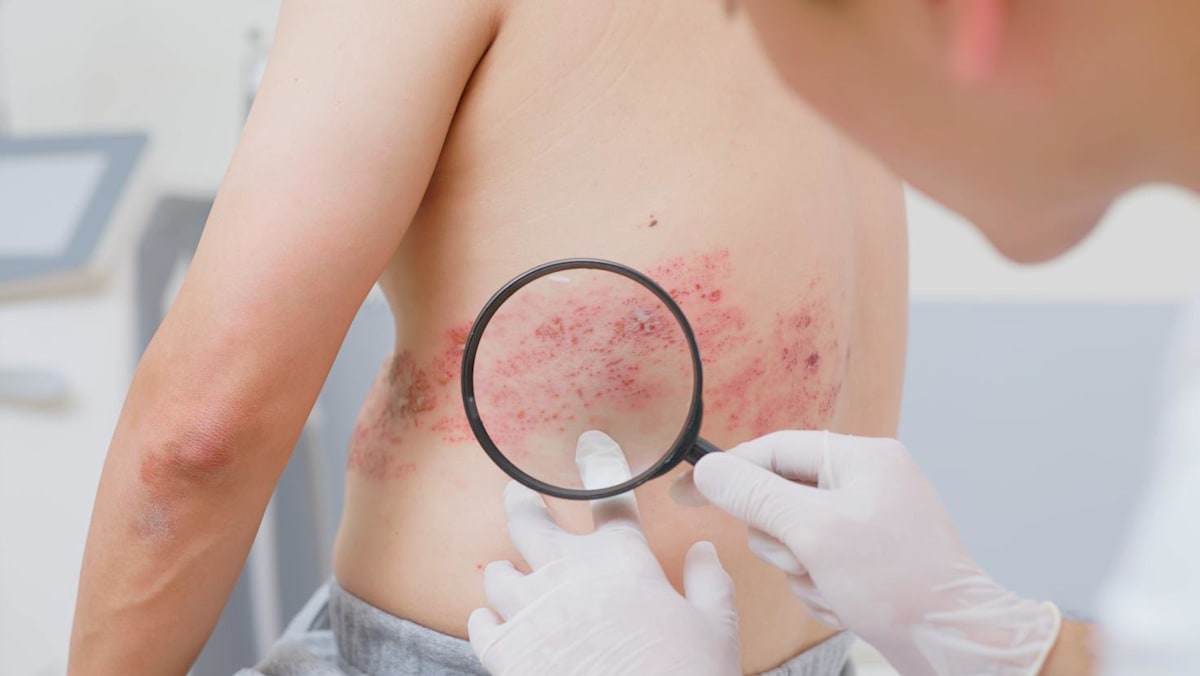
Shingles (herpes zoster) triggers a strong inflammatory response. Chronic inflammation is a known driver of atherosclerosis, the buildup of plaque in arteries that leads to heart attacks and strokes. By preventing the reactivation of the varicella‑zoster virus, the vaccine may lower systemic inflammation and thus protect blood vessels.
Boosting Immune Surveillance
RZV contains a powerful adjuvant that ramps up the immune system. An enhanced immune response may help clear other latent infections and reduce viral loads that subtly damage the cardiovascular system.
Who Should Consider the Vaccine?
The study focused on adults aged 50 and older—exactly the group for which the CDC recommends Shingrix. If you fall into this category, you likely qualify for the two‑dose series, spaced 2–6 months apart.
Key eligibility points:
- Age 50 + (earlier for immunocompromised patients)
- No severe allergic reaction to a previous shingles vaccine
- Not currently experiencing an acute illness
How to Get Started
- Talk to your primary care provider about your vaccination history and cardiovascular risk profile.
- If you’re a good candidate, schedule the first dose of Shingrix.
- Mark your calendar for the second dose 2–6 months later—completion is crucial for full protection.
- Maintain regular heart‑healthy habits (diet, exercise, blood pressure control) alongside vaccination.
Potential Side Effects
Shingrix is generally well‑tolerated. Common reactions include soreness at the injection site, mild fever, and fatigue. These symptoms usually resolve within a few days and are far less severe than a shingles outbreak.
Bottom Line
While more research is needed to confirm a direct causal link, the current data suggest that the shingles vaccine offers a dual benefit: protecting against painful shingles and possibly lowering the risk of major cardiovascular events. For adults over 50, especially those with existing heart‑risk factors, getting vaccinated could be a simple, low‑cost strategy to boost overall health.
Frequently Asked Questions
Is the vaccine safe if I already have heart disease?
Yes. Clinical trials included participants with stable cardiovascular disease, and no increase in serious cardiac events was observed.
Do I need a booster after the two doses?
Current guidelines do not require a booster, but studies are ongoing to determine long‑term durability.
Can the vaccine replace other heart‑healthy measures?
Absolutely not. Vaccination is an add‑on to, not a substitute for, a balanced diet, regular exercise, and medication adherence.
Conclusion
Protecting yourself from shingles may also guard your heart and brain. If you’re eligible, discuss Shingrix with your healthcare provider today and take a proactive step toward a healthier future.

Comments are closed, but trackbacks and pingbacks are open.