

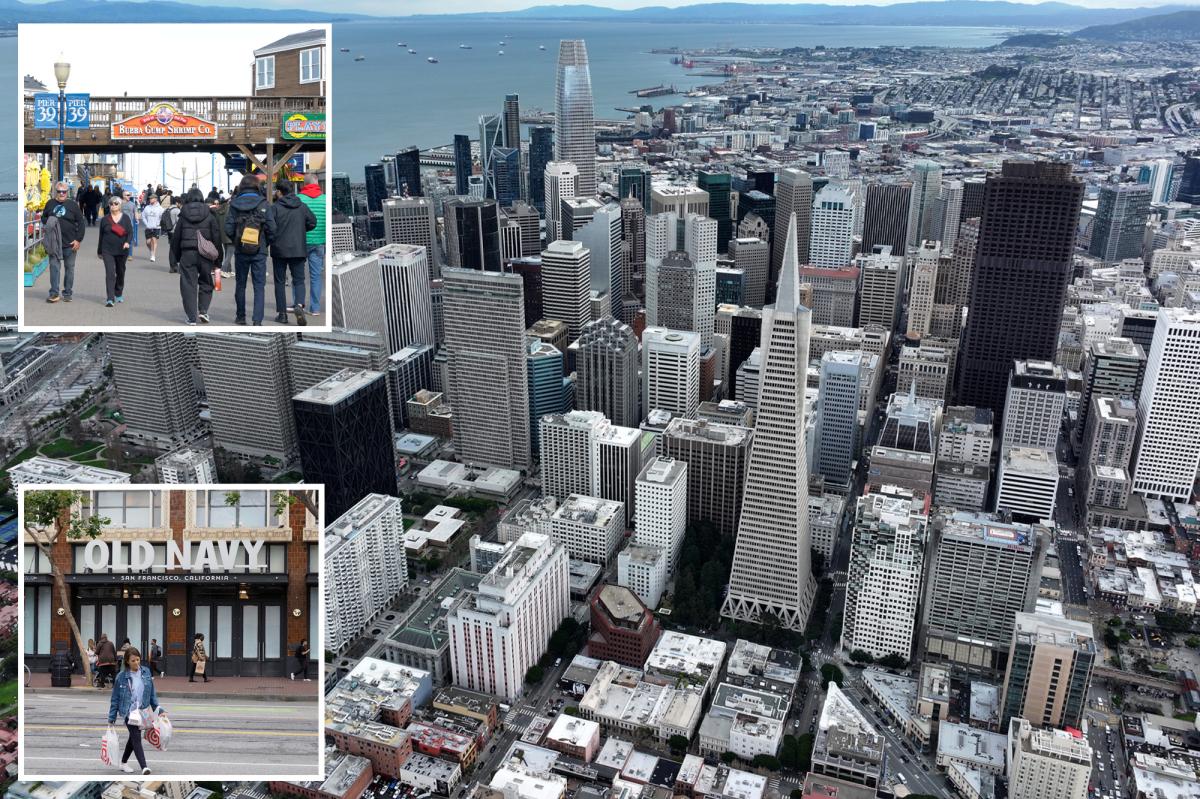
San Francisco’s CEO Tax Fight Intensifies as New Report Sounds Alarm
San Francisco is at the center of a growing debate over corporate wealth and tax fairness, as a new report has reignited calls to tax top CEOs at a much higher rate. The city, already known for its progressive policies, now faces mounting pressure to address widening income inequality.
What the New Report Reveals
A recent analysis by the Institute for Policy Studies and the Economic Policy Institute found that the average CEO of a major U.S. corporation earned 399 times more than the typical worker in 2023. In San Francisco, where tech giants like Salesforce, Uber, and Airbnb are headquartered, the gap is even sharper.
One key finding: the top 10 CEOs in the city collectively earned over $1.2 billion in compensation — enough to pay every full-time worker in San Francisco $23,000 as a bonus.
The Proposed CEO Tax
San Francisco Supervisor shuffled legislation that would impose a 25% surcharge on annual compensation above $10 million for executives of companies with over $1 billion in revenue. The tax would apply only to those working for firms headquartered in the city.
Supporters argue the revenue — estimated at $150 million annually — could fund:
- Expanding affordable housing projects
- Boosting public transit and transit subsidies
- Funding free community college programs
- Increasing mental health services
"We can’t call ourselves a city of innovation unless we’re also a city of fairness," said Supervisor Myrna Melgar, lead sponsor of the bill.
Backlash from Businesses
Corporate leaders and business groups are pushing back hard.
"This is punitive taxation that will drive companies out of San Francisco," warned Chris Larson, CEO of the San Francisco Chamber of Commerce. "We’re already losing talent to Austin, Denver, and remote hubs. This will accelerate the exodus."
Some tech execs have begun lobbying state lawmakers to block the tax, arguing it’s too narrowly targeted and unfair to companies that operate globally.
Public Opinion Divided
A recent poll by the San Francisco Chronicle found 58% of residents support the tax, especially among younger voters and lower-income communities. But 41% of respondents citing concerns about economic stability, particularly small business owners who rely on tech spending.
"I make a good living, but I see my neighbor sleeping on the sidewalk every day," said Maria Tran, a nurse and lifelong resident. "If CEOs can afford $100 million homes, then they can pay a little more."
What’s Next?
The Board of Supervisors is scheduled to vote on the measure by the end of October. If passed, the tax would take effect January 1, 2025.
Legal challenges are expected, and the state legislature may intervene since corporate taxation is largely controlled at the state level. But the issue has tapped into a national conversation — and San Francisco may soon become the model, for better or worse, of how cities confront billionaire wealth.

Comments are closed, but trackbacks and pingbacks are open.