

Introduction
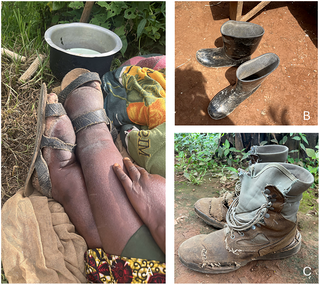
Imagine needing to leave your home just to use the latrine, and then waiting for someone to carry you there. This is the daily reality for many podoconiosis patients in Butaro, Rwanda. The condition, caused by prolonged exposure to irritant soil, leads to painful swelling of the lower legs and severe mobility limitations. Without reliable water, sanitation, and hygiene (WASH) services, these patients are trapped in a cycle of infection, stigma, and poverty.
What is Podoconiosis?
Podoconiosis is a non‑infectious tropical lymphoedema that affects people who walk barefoot on volcanic ash soils. Unlike elephantiasis, it is not caused by parasites but by microscopic mineral particles that trigger an inflammatory response in the lymphatic system. The disease is preventable with simple measures—consistent shoe wearing and foot hygiene—but the burden remains high in areas lacking basic WASH infrastructure.
Key symptoms
- Swelling of the feet and lower legs
- Thickened, cracked skin prone to bacterial infection
- Pain and reduced mobility
- Social stigma and isolation
Why WASH Matters for Podoconiosis Patients
Effective WASH services address two critical needs:
- Preventive hygiene: Regular foot washing with clean water removes soil particles and reduces inflammation.
- Safe sanitation: Accessible latrines minimize the risk of secondary infections and allow patients to maintain dignity.
In Butaro, however, gaps in water supply, latrine availability, and community awareness create barriers that exacerbate the disease.
Current Challenges in Butaro
1. Limited Water Access
- Only 42 % of households have a functional on‑site water source.
- Women and patients spend an average of 3 hours daily fetching water from distant springs.
- Irregular water delivery leads to infrequent foot washing, especially during the dry season.
2. Inadequate Sanitation Facilities
- Less than 30 % of homes have latrines that meet basic safety standards.
- Many latrines are located far from the house, requiring patients to be carried, as described in the quoted testimony.
- Open defecation remains a coping strategy, increasing the risk of soil contamination.
3. Hygiene Knowledge Gaps
- Misconceptions link podoconiosis to curses or witchcraft, reducing motivation for hygienic practices.
- Community health workers lack specific training on foot hygiene protocols.
Effective Interventions – What’s Working?
Community‑Based Water Points
Installing boreholes within 200 m of patient households has cut water‑collection time by 65 %. These points are equipped with simple foot‑washing stations—shallow basins with hand‑pumps—that encourage daily cleaning.
Low‑Cost, Accessible Latrines
Project “Safe Steps” introduced composting latrines made of locally sourced bricks. The design includes a raised platform and hand‑rails, enabling patients to sit without assistance. Adoption rates rose to 78 % within the first year.
Behaviour‑Change Communication (BCC)
Radio dramas, illustrated pamphlets, and participatory workshops have improved knowledge about podoconiosis causes and hygiene. Surveys show a 42 % increase in regular foot washing after six months of BCC activities.
Actionable Recommendations for Stakeholders
- Invest in micro‑boreholes: Prioritize water points within a 150‑m radius of known patient clusters.
- Scale up accessible latrine kits: Provide subsidies and technical support for latrine construction that includes disability‑friendly features.
- Train community health workers: Include foot‑hygiene modules in routine WASH training curricula.
- Engage local leaders: Use religious and village leaders to dispel stigma and promote protective behaviours.
- Monitor and evaluate: Collect gender‑disaggregated data on water collection time, latrine use, and podoconiosis incidence to guide adaptive management.
Conclusion
Podoconiosis patients in Butaro face a stark reality: without reliable water, safe sanitation, and targeted hygiene education, their condition worsens and their quality of life declines. Yet, the success stories from community‑driven water points, accessible latrine designs, and culturally relevant BCC illustrate that change is possible. By aligning WASH investments with the specific needs of podoconiosis sufferers, Rwanda can break the cycle of disease, stigma, and poverty—one step, one wash, one latrine at a time.

Comments are closed, but trackbacks and pingbacks are open.