
Outlook on the Cardiovascular Health Supplements Market: Major Trends and Opportunities

Introduction
Cardiovascular disease remains the leading cause of death worldwide, and consumers are increasingly turning to supplements to support heart health. This surge in demand is reshaping the cardiovascular health supplements market, creating new opportunities for manufacturers, retailers, and investors. In this article we explore the current landscape, key growth drivers, and the strategic moves shaping the market’s future.
Market Overview
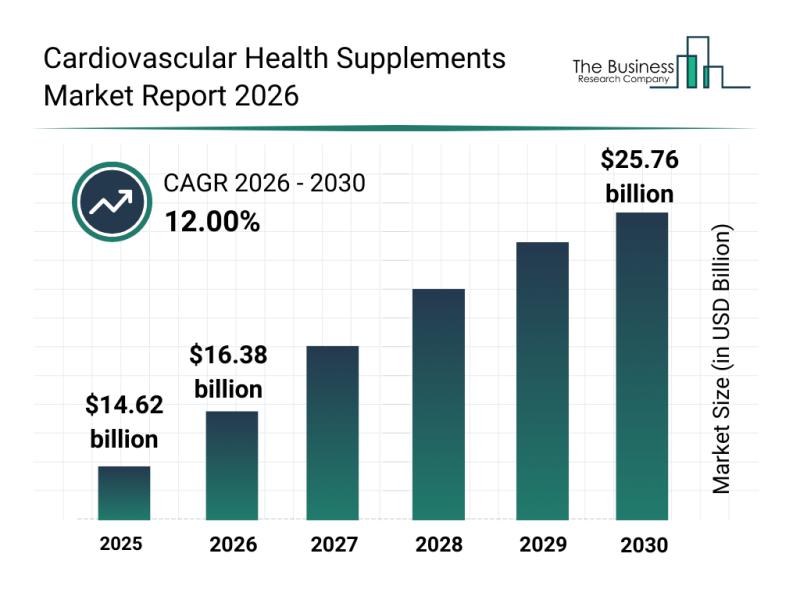
The global cardiovascular health supplements market was valued at USD 12.8 billion in 2023 and is projected to reach USD 22.5 billion by 2030, growing at a compound annual growth rate (CAGR) of 6.8 %.
Key Segments
- Product types: Omega‑3 fatty acids, Coenzyme Q10, plant sterols, magnesium, L‑carnitine, and herbal extracts (e.g., hawthorn, garlic).
- Distribution channels: Pharmacy & drugstore, e‑commerce, health‑food stores, and direct‑to‑consumer (DTC) subscriptions.
- Geographies: North America, Europe, Asia‑Pacific, Latin America, Middle East & Africa.
Major Growth Drivers
1. Aging Population & Chronic Disease Prevalence
By 2050, the number of adults over 60 will exceed 2 billion, many of whom are at heightened risk of hypertension, atherosclerosis, and arrhythmias. Supplements that claim to improve lipid profiles, blood pressure, or endothelial function are increasingly viewed as preventive tools.
2. Scientific Validation & Clinical Trials
Recent peer‑reviewed studies have reinforced the efficacy of omega‑3 EPA/DHA for triglyceride reduction and CoQ10 for heart failure management. These data points are frequently cited in marketing copy, boosting consumer confidence.
3. Rise of Personalized Nutrition
DNA‑based and microbiome‑driven platforms now recommend specific cardiovascular nutrients based on genetic risk markers (e.g., APOE ε4). This trend is driving premium pricing and higher brand loyalty.
4. E‑Commerce Acceleration
Online sales of heart‑health supplements grew 42 % in 2023, aided by subscription models that ensure continuous usage—a critical factor for efficacy.
Competitive Landscape
Top players such as Nordic Naturals, GNC, Nature Made, and Pfizer’s consumer health arm dominate the mainstream segment, while niche brands like CardioVita and Cardiovascular Health Labs focus on scientifically‑backed, high‑potency formulations.
Strategic Moves
- Mergers & Acquisitions: In 2023, Danone acquired a 30 % stake in a probiotic‑heart health startup, expanding its functional‑food portfolio.
- Product Innovation: Combination formulas (e.g., omega‑3 + magnesium) are launched to address multiple risk factors in a single pill.
- Regulatory Navigation: Companies are partnering with clinical research organizations to obtain FDA “qualified health claim” status, differentiating their products.
Regional Insights
North America
Strong consumer awareness and a mature regulatory framework make the U.S. the largest market. The demand for plant‑based omega‑3 (algal oil) is scaling quickly.
Europe
EU labeling rules require substantiated health claims, prompting firms to invest heavily in clinical evidence. Germany and France lead in supplement sales per capita.
Asia‑Pacific
Rapid urbanization and rising disposable income in China, India, and Southeast Asia present the highest growth potential. Local manufacturers are expanding product lines to meet Western quality standards.
Challenges & Risks
- Regulatory scrutiny: False or exaggerated claims can trigger enforcement actions, as seen with several “heart‑support” products in 2022.
- Supply chain volatility: Reliance on fish oil and marine sources makes the market vulnerable to overfishing and climate‑related disruptions.
- Consumer skepticism: Growing demand for transparency means brands must provide clear ingredient sourcing and third‑party testing.
Future Outlook
Looking ahead, the cardiovascular health supplements market is set to become more data‑driven, with AI‑powered formulations and real‑time efficacy monitoring via wearable tech. Companies that combine robust scientific validation with seamless digital experiences will capture the most market share.
Conclusion
The cardiovascular health supplements market offers compelling growth for players that can navigate regulatory landscapes, secure sustainable raw materials, and deliver proven, personalized solutions. As heart disease remains a top health priority, the demand for evidence‑based supplements will only intensify, making this sector a lucrative arena for innovation and investment.

Comments are closed, but trackbacks and pingbacks are open.