

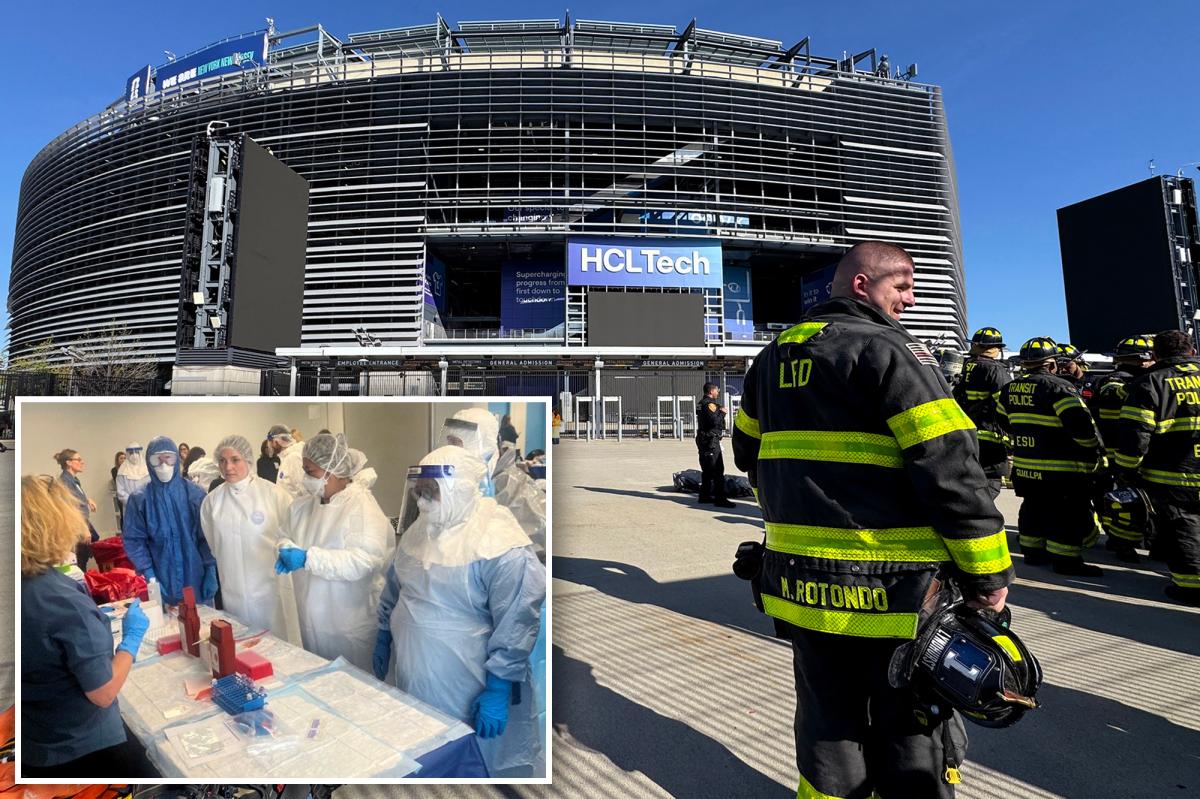
NYC Hospitals Gear Up for Nightmarish World Cup Disease Risks as Fans Descend on Metro Area
New York City is no stranger to large crowds, but the 2026 FIFA World Cup is set to bring a level of foot traffic the metro area hasn’t seen in decades. With an estimated 3 million fans expected to flood NYC, Newark, and surrounding suburbs for tournament matches, local hospitals aren’t just prepping for soccer-related injuries — they’re bracing for a potential wave of nightmarish infectious diseases that could strain the already-busy healthcare system.
Why NYC Hospitals Are Sounding the Alarm
Public health officials note that mass gatherings like the World Cup create a perfect storm for disease spread: travelers from 40+ countries converging in tight spaces, disrupted sleep schedules, and inconsistent access to preventive care. For NYC, which already manages high baseline rates of respiratory illness and chronic disease, even a small uptick in cases could overwhelm emergency departments.
Dr. Anika Patel, chief medical officer at NYC Health + Hospitals, told reporters last week, "We saw similar patterns during the 2022 World Cup viewing events in the city, but 2026 will be a completely different scale. We’re not taking any chances with preparedness."
Top Disease Risks Fans Could Bring to the Metro
Hospital administrators have identified four key categories of illness most likely to spike during the tournament window. Here’s what they’re watching for:
Respiratory Illnesses
COVID-19, flu, and RSV remain top concerns, especially with fans traveling from regions where new variants are circulating. Indoor watch parties, crowded subways, and packed stadiums will accelerate transmission.
- Higher risk for unvaccinated or immunocompromised attendees
- Symptoms can take 2–5 days to appear, meaning travelers may not know they’re sick until after arriving in NYC
Gastrointestinal Infections
Foodborne illnesses from street vendors, undercooked stadium concessions, and contaminated water are common at large events. Norovirus, in particular, spreads quickly in crowded settings and can cause severe dehydration.
Vector-Borne Diseases
Fans traveling from tropical regions may carry mosquito-borne illnesses like dengue, Zika, or malaria, which are not typically endemic to NYC. While local mosquito populations are low during the June–July tournament window, hospitals are stocking up on rapid testing kits for these rarer conditions.
Chronic Condition Flare-Ups
It’s not just infectious diseases: fans with diabetes, heart disease, or asthma may experience flare-ups due to travel stress, irregular medication schedules, or extreme heat. Hospitals are expanding urgent care capacity to handle non-infectious cases too.
How NYC Hospitals Are Prepping for the Surge
NYC Health + Hospitals, the largest public health system in the U.S., has rolled out a multi-pronged preparedness plan ahead of the tournament. Key steps include:
- Hiring 2,000 temporary nurses and support staff to cover peak tournament weeks
- Doubling isolation bed capacity at 11 public hospitals
- Partnering with local labs to cut turnaround time for infectious disease testing to under 4 hours
- Launching a multilingual public awareness campaign in 12 languages spoken by expected fan groups
Staffing and Resource Boosts
Emergency departments are also stockpiling antiviral medications, IV fluids, and personal protective equipment (PPE) to avoid shortages. Portable testing units will be deployed to stadiums and fan zones to catch cases early before they reach hospitals.
Fast-Track Testing and Isolation Protocols
New triage protocols will prioritize rapid screening for high-risk travelers, with separate waiting areas for patients with respiratory or gastrointestinal symptoms to limit in-hospital spread.
Public Health Partnerships
Hospitals are working closely with the NYC Department of Health, the FAA, and hotel associations to track traveler health data in real time. Pop-up vaccination clinics will also be available at major transit hubs for fans who need last-minute flu or COVID shots.
What Fans Can Do to Stay Safe
Visitors can take simple steps to protect themselves and local communities during their trip:
- Get up to date on all routine vaccinations, including flu and COVID boosters, 2 weeks before travel
- Wash hands frequently, especially after using public transit or eating at street vendors
- Pack a travel health kit with prescription medications, hand sanitizer, and a thermometer
- Seek medical care immediately if you develop fever, diarrhea, or shortness of breath within 14 days of arriving in NYC
Conclusion
The 2026 World Cup is set to be a celebration of global sport, but NYC hospitals are making sure the party doesn’t come with a public health crisis. By preparing early, partnering across agencies, and educating fans, the metro area’s healthcare system is working to keep both visitors and residents safe.
As Dr. Patel notes, "Preparedness isn’t about scaring people — it’s about making sure we can enjoy the tournament without putting lives at risk. We’re ready, and we’re asking fans to do their part too."

Comments are closed, but trackbacks and pingbacks are open.