

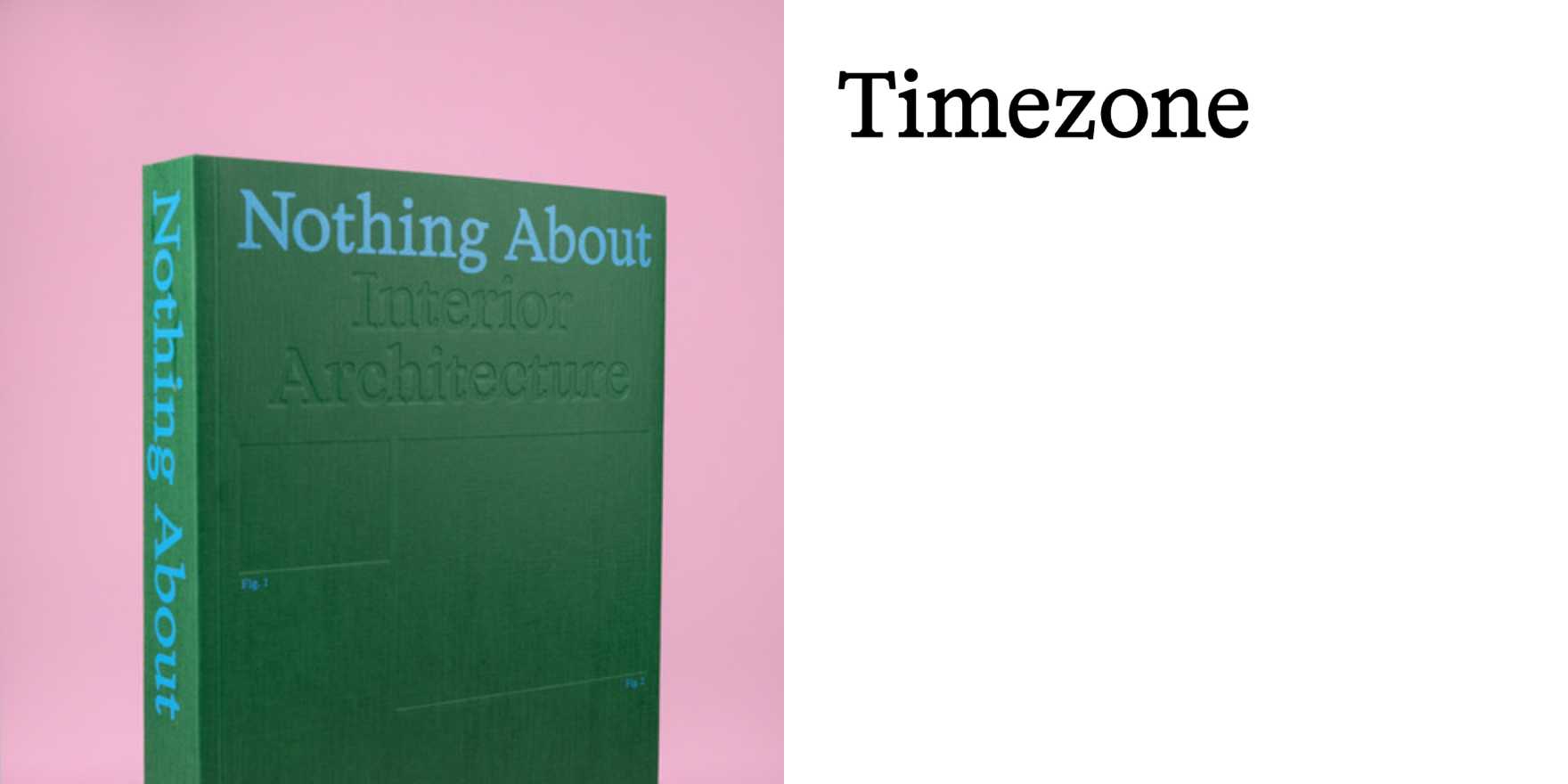
Introduction: Why Interior Architecture Matters
When most people talk about interior design, they picture paint colors, furniture, and décor. The real backbone—the invisible framework that defines how a space feels—is interior architecture. In this post we break down the core concepts, answer common questions, and show you how to apply simple principles to transform any room.
1. Defining Interior Architecture
Interior architecture is the art and science of shaping interior spaces. It involves:
- Space Planning: Arranging walls, doors, and levels for flow.
- Structural Elements: Balancing load and supporting features.
- Acoustics & Lighting: Crafting sound, ambiance, and visual comfort.
- Materials & Finishes: Choosing textures that enhance function and style.
2. Key Design Principles
A. Proportion & Scale
Scale dictates how furniture and architectural details look in proportion to the room. Use the rule of thirds and human scale (e.g., chair height = 38–42 cm) to ensure comfort.
B. Balance & Rhythm
Visual weight—through color, texture, or size—should be distributed evenly. Rhythm can be achieved with repeating patterns, subtle color echoes, or linear elements.
C. Accessibility & Safety
Code compliance starts with straightforward door widths (minimum 80 cm), clear pathways, and minimal trip hazards. Think universal design: curb cuts, lever handles, and easy‑to‑reach switches.
3. Practical Steps for Beginners
Follow this quick checklist to apply interior architecture principles at home:
- Measure the Space: Walls, doors, windows, and floor area.
- Sketch Zones: Define gathering, work, and transition zones.
- Choose a Focus: A statement wall, lighting fixture, or custom storage.
- Plan Flow: Ensure 60–80 cm minimum clearance around furniture.
- Integrate Lighting: Layer task, accent, and ambient lighting.
- Select Materials: Prioritize durability—laminate for high traffic, hardwood for elegance.
- Test & Iterate: Move furniture in virtual layout tools, then tweak physically.
4. Common Misconceptions Debunked
- "Interior architecture is just design": It’s the structural foundation that enables creativity.
- “Large rooms need more decoration”: Excess can overwhelm; scale is key.
- “Modern looks mean minimal walls”: Truss systems and purpose‑built partitions can add character.
Conclusion: From Idea to Reality
Interior architecture bridges the gap between aesthetics and practicality. By mastering proportion, flow, and materials, you can create spaces that are not only beautiful but also functional and welcoming. Start small—apply one principle per room—and watch how the whole environment transforms.

Comments are closed, but trackbacks and pingbacks are open.