

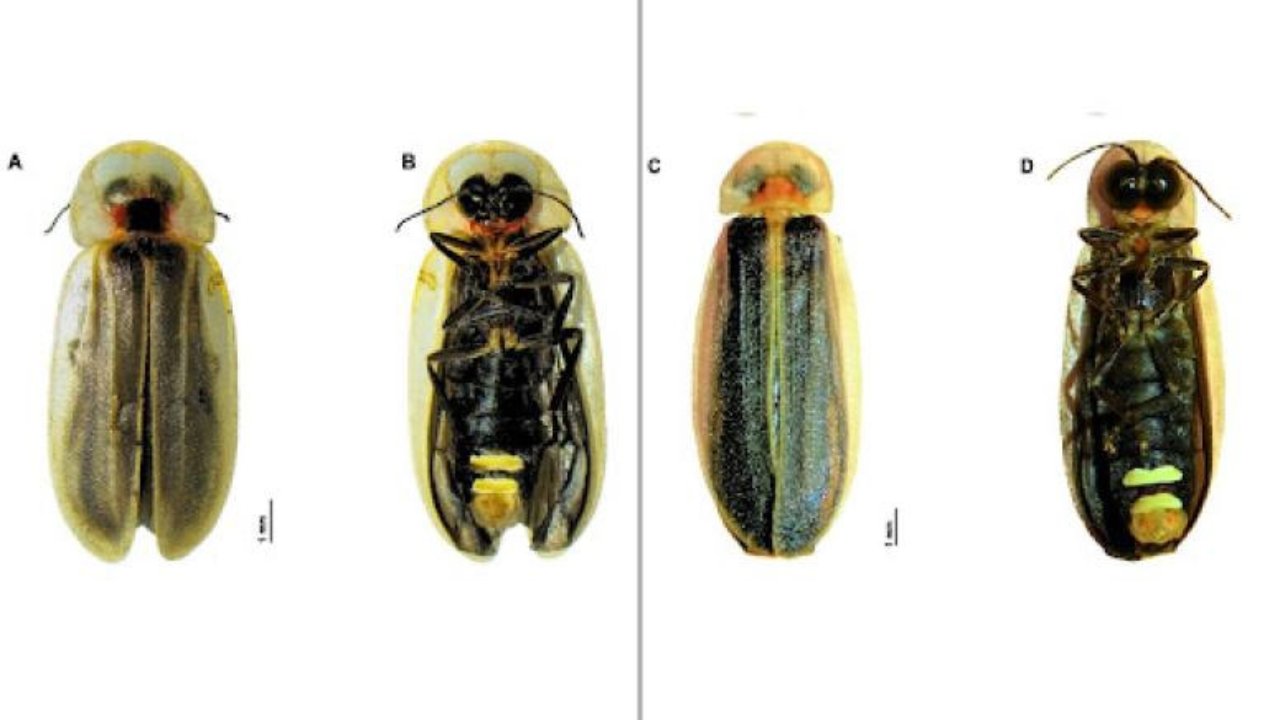
New Firefly Species Discovered in Mawlynnong, Asia’s Cleanest Village – What We Know So Far
Mawlynnong, a small village in Meghalaya’s East Khasi Hills district, has long held the title of “Asia’s Cleanest Village” for its spotless streets, community-led waste management, and strict plastic ban. But the village just added another feather to its cap: researchers have discovered a brand-new firefly species thriving in its lush, untouched forests.
The find is being hailed as a major win for biodiversity conservation, as fireflies are highly sensitive to environmental changes and only thrive in healthy, unpolluted ecosystems.
Why Mawlynnong Is a Biodiversity Hotspot
Tucked away in the rolling hills of Meghalaya, Mawlynnong is home to dense subtropical forests, perennial streamlets, and a community that prioritizes sustainability over rapid development. Locals have banned single-use plastic for decades, and every household participates in weekly community clean-ups.
This low-impact way of life has preserved habitats for hundreds of rare plant and animal species, from orchids to rare birds – and now, a never-before-documented firefly.
Details of the New Firefly Species Discovery
Who Made the Discovery?
A joint team of entomologists from the Zoological Survey of India (ZSI) and local Meghalaya-based ecologists stumbled upon the new species during a monsoon 2024 biodiversity survey. The team was studying nocturnal insect populations in Mawlynnong’s secondary forests when they noticed a firefly with an unusual glow pattern.
Key Features of the New Species
Early analysis reveals several unique traits that set this firefly apart from known species in the region:
- Measures 8–10mm in length, smaller than most common Meghalaya fireflies
- Emits a slow, pulsing green glow (most local species glow yellow or flash rapidly)
- Prefers humid habitats near small streamlets, active only 2 hours after sunset during peak monsoon
- Has distinct black markings on its thorax not seen in other regional firefly species
Researchers are currently working to formally name and classify the species, with plans to publish their findings in a peer-reviewed entomology journal by early 2025.
Why This Discovery Matters for Conservation
Fireflies are considered indicator species – their presence signals that an ecosystem is free from severe pollution, pesticide use, and habitat destruction. The fact that a new species has been found in Mawlynnong is a direct testament to the village’s decades of sustainable practices.
However, the discovery also comes with a warning: firefly populations globally are declining due to light pollution, climate change, and deforestation. Mawlynnong’s remote location has protected it so far, but rising tourism and unregulated development in nearby areas pose a growing threat.
Conservationists are urging local authorities to designate Mawlynnong’s forest patches as eco-sensitive zones to protect the new firefly species and other rare wildlife.
How to Visit Mawlynnong Responsibly
Mawlynnong is open to tourists year-round, but if you’re hoping to catch a glimpse of its famous fireflies (or the new species), here are a few rules to follow:
- Avoid using flash photography or bright torches at night – this disrupts firefly mating patterns
- Carry reusable water bottles and snacks to avoid single-use plastic
- Stick to marked trails to avoid damaging fragile forest habitats
- Respect local Khasi customs, including dress codes for visiting community spaces
- Visit during the monsoon (June–September) for the best chance to spot fireflies
The discovery of a new firefly species in Mawlynnong is more than just a scientific curiosity – it’s a reminder that community-led conservation works. As we celebrate this rare find, let’s also commit to protecting the fragile ecosystems that make these discoveries possible. Whether you’re planning a trip to Meghalaya or advocating for green practices in your own community, every small step counts toward preserving our planet’s biodiversity.

Comments are closed, but trackbacks and pingbacks are open.