

Introduction
Netflix’s latest crime thriller, Man on Fire, promised a high‑octane blend of revenge, intrigue, and a powerful lead performance from Yahya Abdul‑Mateen. As a fan of the original 2004 film and the classic novel, I tuned in hoping for fresh twists and a gripping cat‑and‑mouse game. Instead, the series stalls in the middle of the action, leaving viewers frustrated rather than fired up.
What the Show Sets Out to Be
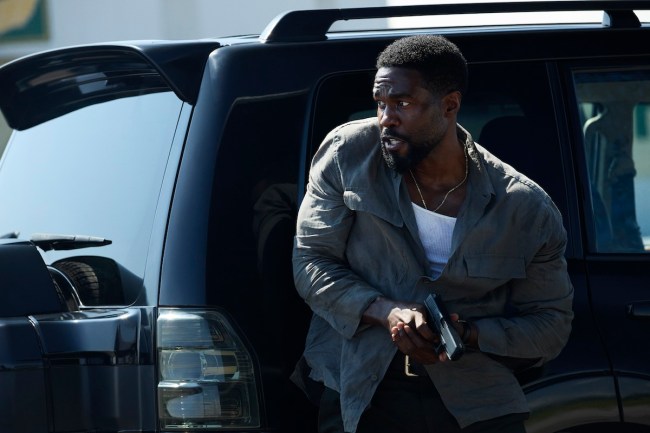
The premise is simple: former special‑operations officer John Creasy (Abdul‑Mateen) is hired to protect a wealthy family’s teenage son in a volatile Mexican border town. When the boy is abducted, Creasy becomes a one‑man army, determined to dismantle the criminal network that stole his charge.
On paper, the ingredients are perfect for a binge‑worthy spectacle:
- High‑stakes kidnapping plot
- Visually striking desert landscapes
- A charismatic lead with proven dramatic range
Yet the execution falls short on several fronts.
Why the Series Never Sparks
1. Pacing That Stretches Too Thin
Each episode runs 55‑plus minutes, but the story moves at a glacial pace. The series spends excessive time on side characters and repetitive exposition, diluting the urgency that fuels a revenge thriller. By episode three, the audience is left waiting for the inevitable showdown that never truly arrives.
2. Under‑Developed Characters
Creasy’s internal turmoil is hinted at but rarely explored. Meanwhile, the antagonists are one‑dimensional, relying on generic gangster tropes instead of nuanced motives. The lack of emotional depth makes it hard to care about either the hero’s pain or the villains’ threat.
3. Visuals Over Storytelling
Netflix’s production values are undeniable—cinematic drone shots of the desert and moody, neon‑lit night scenes look great on a screen. However, the series leans heavily on style, using atmosphere as a substitute for plot momentum. When the narrative stalls, the gorgeous cinematography can’t fill the void.
4. Inconsistent Tone
“Man on Fire” swings between gritty drama, occasional comic relief, and melodramatic romance. The tonal shifts feel jarring rather than intentional, preventing a cohesive viewing experience.
What Works (If Anything)
- Yahya Abdul‑Mateen’s presence: He brings a silent intensity to Creasy, delivering subtle facial cues that hint at a haunted past.
- Production design: The set pieces—abandoned factories, sun‑baked streets—evoke a believable underworld.
- Select action sequences: When the fight choreography finally clicks (particularly the rooftop chase in episode six), it delivers genuine adrenaline.
Who Might Still Enjoy It
If you’re a casual Netflix viewer who prefers visual flair over tight storytelling, the series can serve as a background binge. Fans of Yahya Abdul‑Mateen’s previous work may also appreciate his moments of stoic heroism, even if the script underutilizes his talent.
Conclusion
Man on Fire had the potential to reignite a classic story with modern sensibilities, but the series suffers from sluggish pacing, thin character arcs, and an overreliance on visual style. Yahya Abdul‑Mateen’s performance is the brightest spark, yet it’s not enough to light the whole project. Until the narrative finds a stronger engine, viewers are likely to switch off before the final credits roll.

Comments are closed, but trackbacks and pingbacks are open.