

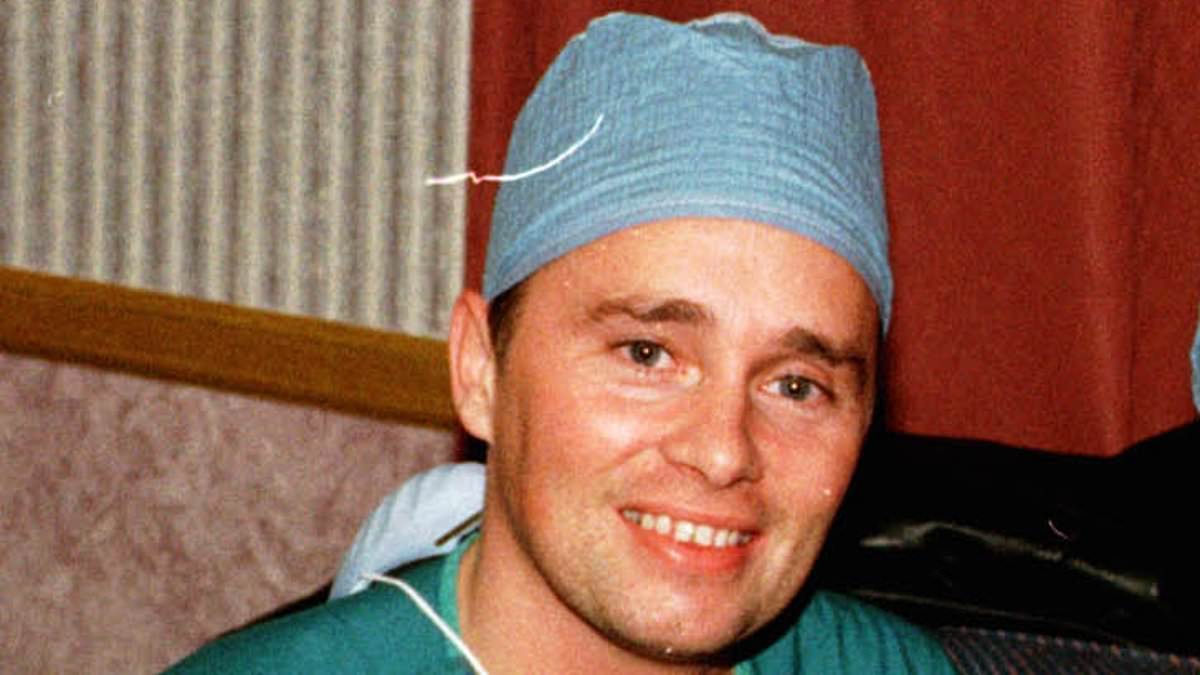
In the world of modern family building, few names generate as much discussion as Barrie Drewitt-Barlow. The British entrepreneur has become both celebrated and controversial as the self-proclaimed "poster boy for gay dads," having welcomed seven children into his family through surrogacy over the years.
The Man Behind the Headlines
Barrie Drewitt-Barlow first entered the public eye alongside his husband Tony Drewitt-Barlow as one of the UK’s first officially recognized gay couples to have children through surrogacy. Their journey began in the late 1990s, when surrogacy was still largely taboo, especially for same-sex couples.
"We knew from the beginning that we wanted to be fathers," Barrie has stated in previous interviews. "Traditional paths weren’t available to us, so we forged our own way." That determination has resulted in a family that now includes seven children, with some born through traditional surrogacy and others through egg donation arrangements.
A Family Built on Love and Controversy
The Drewitt-Barlow family has faced their fair share of criticism. From questions about the ethics of surrogacy to scrutiny over their parenting choices, Barrie and Tony have remained steadfast in their approach to family life. Their eldest children are now adults, while their youngest are still in primary school, creating a dynamic household spanning multiple generations.
What sets Barrie apart isn’t just the number of children he’s welcomed through surrogacy, but his openness about the entire process. He’s spoken candidly about the costs involved, the emotional complexities, and the joys of fatherhood. This transparency has made him both a role model for aspiring gay fathers and a lightning rod for debate.
The £4 Million Christmas: A Testament to Extravagance
Perhaps no story illustrates the Drewitt-Barlow lifestyle quite like Barrie’s infamous claim about Christmas spending. He’s reportedly boasted of spending an eye-watering £4 million on a single Christmas, a figure that left many jaw-dropped and others questioning the priorities of extreme wealth.
The expenditure reportedly included extravagant gifts, elaborate decorations, and luxury experiences for the entire family. While the exact details remain debated, the claim cemented Barrie’s reputation as someone who doesn’t do things by halves when it comes to providing for his family.
The Surrogacy Journey: Then and Now
When Barrie and Tony first embarked on their surrogacy journey, the legal landscape in the UK was far less supportive than it is today. Surrogacy for same-sex couples faced significant legal and social barriers. The couple navigated these challenges with determination, establishing themselves as pioneers in a space that few gay couples had previously explored.
Today, surrogacy remains a complex issue in the UK. While attitudes have shifted dramatically, the legal framework still presents challenges for intended parents. Commercial surrogacy is prohibited, though altruistic arrangements are permitted. Many hopeful parents still travel abroad to countries with more permissive regulations.
Impact on the Gay Parenting Movement
Love it or loathe it, Barrie Drewitt-Barlow’s visibility has had an undeniable impact on the conversation around gay parenting. He’s shown that same-sex couples can build large, loving families, even when traditional pathways aren’t available.
For many gay men considering fatherhood, Barrie represents both possibility and provocation. His journey demonstrates that becoming a father is achievable, while his lifestyle choices spark important conversations about privilege, responsibility, and the ethics of family building.
What Comes Next?
As his children grow and his story continues to evolve, Barrie Drewitt-Barlow remains a fascinating figure in the landscape of modern family life. Whether viewed as a trailblazer or a symbol of excess, he’s fundamentally changed the visibility of gay fathers in the public consciousness.
One thing is certain: the conversation around surrogacy, gay parenting, and family building continues to evolve, and Barrie Drewitt-Barlow will likely remain at the centre of it for years to come.

Comments are closed, but trackbacks and pingbacks are open.