

Introduction
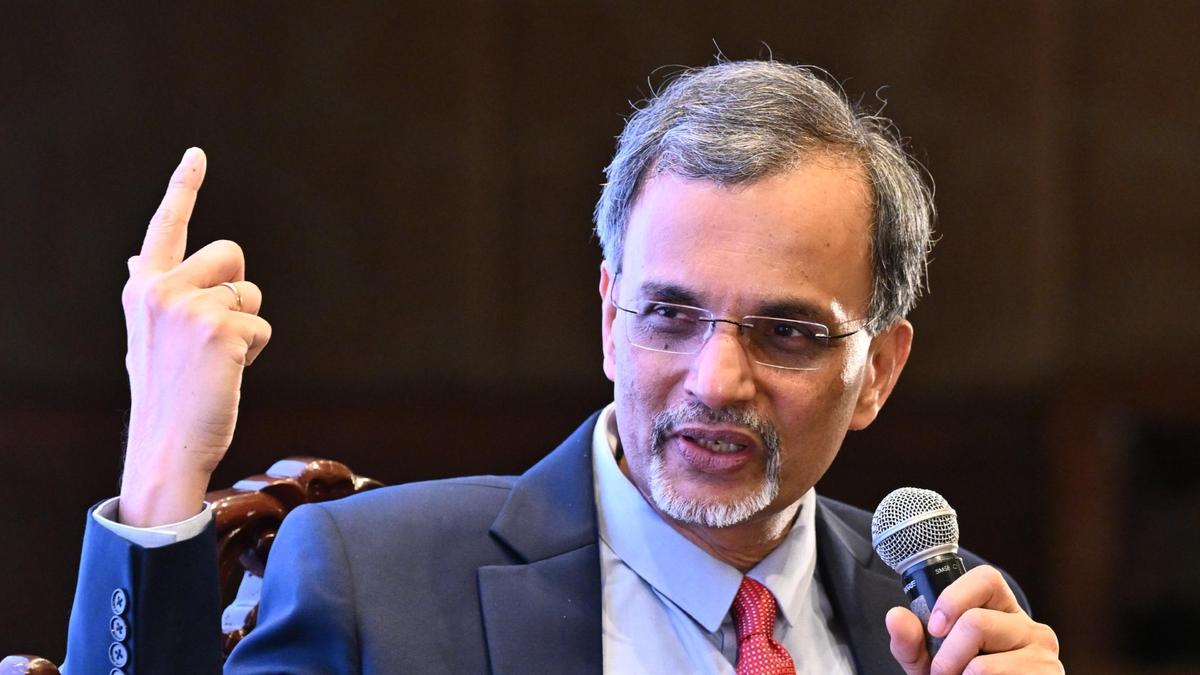
India’s Chief Economic Advisor (CEA) has set an ambitious target: a 12% annual GDP growth rate is essential for the country to reach a $30 trillion economy by 2047, the year the nation celebrates its 100th year of independence. This bold projection has sparked intense debate among policymakers, investors, and the general public.
Why $30 Trillion Matters
The $30 trillion milestone is not just a number—it represents a shift into the league of the world’s largest economies, joining the United States and China. Achieving this level of output would mean higher living standards, more jobs, and greater fiscal space for social programmes.
Key Drivers Behind the 12% Growth Target
1. Demographic Dividend
- India’s working‑age population is projected to peak around 2030, providing a huge labor pool.
- Proper skill development can translate this demographic edge into productivity gains.
2. Urbanisation and Infrastructure
- Rapid urban migration fuels demand for housing, transport, and smart cities.
- Massive infrastructure projects (roads, rail, ports, renewable energy) can lift the productivity of multiple sectors.
3. Digital Transformation
- Expansion of broadband, fintech, and AI-driven services boosts efficiency.
- Government initiatives like Digital India create a conducive ecosystem for startups.
Challenges to Sustaining 12% Growth
Macroeconomic Risks
Inflationary pressures, fiscal deficits, and volatile capital flows could derail the growth trajectory. Maintaining a stable monetary environment is crucial.
Structural Bottlenecks
- Land acquisition delays and regulatory red‑tape hinder project execution.
- Skill mismatches in the labour market reduce the effectiveness of the demographic dividend.
- Energy security and climate commitments require large, clean‑energy investments.
Global Factors
Geopolitical tensions, trade disruptions, and shifting supply‑chain dynamics can affect export‑oriented sectors.
Actionable Steps for Policymakers
- Accelerate Reforms: Simplify the Goods and Services Tax (GST), streamline labour laws, and improve ease of doing business.
- Invest in Human Capital: Expand vocational training, promote STEM education, and enhance healthcare to keep the workforce productive.
- Boost Private‑Sector Participation: Offer credit guarantees, incentivise green bonds, and create PPP models for large‑scale infrastructure.
- Strengthen Financial Inclusion: Leverage fintech to bring banking services to the unbanked, increasing savings and investment.
- Focus on Sustainable Growth: Prioritise renewable energy, circular economy practices, and climate‑resilient infrastructure.
What This Means for Investors
High‑growth projections attract both domestic and foreign capital. Sectors likely to benefit include:
- Technology and digital services
- Renewable energy and electric mobility
- Infrastructure construction and materials
- Consumer goods targeting the rising middle class
Investors should balance optimism with a close watch on policy implementation and macro‑stability.
Conclusion
Reaching a $30 trillion economy by 2047 is an attainable vision, but it hinges on sustaining an average 12% growth rate over the next two and a half decades. Success will require coordinated reforms, massive investment in people and infrastructure, and a resilient macroeconomic framework. The next few years will be critical as India charts its path toward this historic economic milestone.

Comments are closed, but trackbacks and pingbacks are open.