

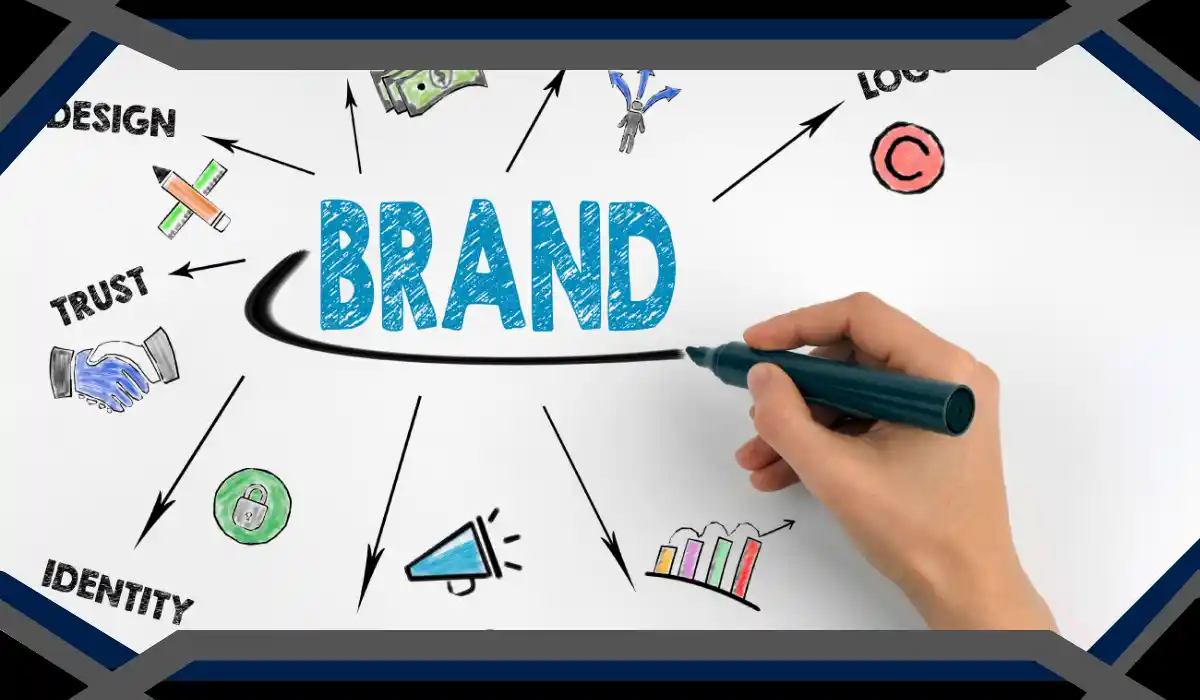
In a world where everyone is competing for attention, having a strong personal brand isn’t just an advantage—it’s a necessity. Whether you’re an entrepreneur, freelancer, or corporate professional, your personal brand determines how others perceive you and the opportunities that come your way.
The good news? Building a personal brand that actually gets you noticed doesn’t require a massive budget or years of experience. It requires strategy, consistency, and authenticity.
What Is Personal Branding and Why Does It Matter?
Personal branding is the practice of marketing yourself and your career as a brand. It’s how you communicate your unique value, expertise, and personality to your target audience.
Think of it this way: companies have brands—logos, messaging, values. You should too. Your personal brand is your reputation, your story, and your promise to your audience.
Why it matters:
- Differentiation: In a crowded market, your personal brand helps you stand out from competitors.
- Trust Building: A consistent, authentic brand builds credibility and trust with your audience.
- Opportunity Magnet: Strong personal brands attract clients, partnerships, and career opportunities naturally.
- Career Control: Instead of waiting for opportunities, you create your own path.
Step-by-Step Guide to Building a Personal Brand That Gets Noticed
1. Define Your Unique Value Proposition
Before you can market yourself, you need to understand what makes you different. Ask yourself:
- What unique skills or expertise do I possess?
- What problems can I solve for my target audience?
- What values and beliefs drive my work?
- What makes my approach different from others in my field?
Your unique value proposition is the foundation of your personal brand. It’s the reason someone should choose you over someone else.
2. Identify Your Target Audience
You can’t appeal to everyone—and you shouldn’t try. Define who you want to reach:
- Demographics: Age, location, profession, income level
- Psychographics: Interests, challenges, goals, values
- Where they spend time: Social media platforms, blogs, podcasts, events
The more specific you are about your audience, the more effective your branding efforts will be.
3. Craft Your Brand Story and Message
People connect with stories, not lists of accomplishments. Your brand story should include:
- Your origin: How did you get started? What inspired your journey?
- Your transformation: What challenges did you overcome?
- Your mission: Why do you do what you do? What impact do you want to make?
Keep your message consistent across all platforms. Every bio, about page, and introduction should reinforce the same core story.
4. Establish Your Visual Identity
Visual elements make your brand recognizable. Create consistency with:
- Profile photos: Use the same professional photo across all platforms
- Color scheme: Choose 2-3 colors that represent your brand personality
- Typography: Select fonts that reflect your style (professional, creative, bold, etc.)
- Imagery: Use consistent types of photos and graphics
5. Choose Your Primary Platforms
You don’t need to be everywhere. Focus on 2-3 platforms where your audience spends time:
- LinkedIn: Best for B2B, professional services, and career growth
- Instagram: Ideal for visual brands, lifestyle, and creative industries
- YouTube: Perfect for thought leadership and educational content
- Twitter/X: Great for real-time engagement and industry conversations
- Blog/Website: Your home base for showcasing expertise
6. Create Valuable Content Consistently
Content is the engine of personal branding. Share content that:
- Educates your audience
- Solves their problems
- Showcases your expertise
- Reflects your unique perspective
Content ideas:
- How-to articles and tutorials
- Industry insights and trends
- Personal experiences and lessons learned
- Case studies and success stories
- Behind-the-scenes glimpses of your work
Consistency is key. It’s better to post quality content weekly than to flood your audience with mediocre posts daily.
7. Build Your Network Strategically
Your network is a crucial part of your personal brand. Focus on:
- Quality over quantity: Build genuine relationships rather than collecting contacts
- Give before you ask: Offer value first—share knowledge, make introductions, celebrate others’ wins
- Engage authentically: Comment on others’ content, respond to messages, participate in conversations
- Attend events: Virtual and in-person events are gold mines for networking
8. Leverage Testimonials and Social Proof
Nothing builds credibility like others vouching for you. Collect and showcase:
- Client testimonials and reviews
- Media mentions and interviews
- Awards and certifications
- Collaborations with other respected figures
- Numbers and metrics (followers, clients served, revenue generated)
Common Personal Branding Mistakes to Avoid
Many people sabotage their personal brand without realizing it. Watch out for these pitfalls:
Trying to Be Everyone to Everyone
Generic brands don’t get noticed. Specialize, niche down, and serve a specific audience with a specific message.
Inconsistency
Posting randomly and changing your message confuses your audience. Create a content calendar and stick to a consistent posting schedule.
Being Inauthentic
People can spot fakery. Be yourself, share your real journey, and don’t try to be someone you’re not.
Only Promoting Yourself
Avoid the sales pitch every time. Focus on providing value, and the promotions will feel natural.
Ignoring Feedback
Pay attention to what resonates with your audience. Analytics and comments provide valuable insights.
Measuring Your Personal Brand Success
How do you know if your personal brand is working? Track these metrics:
- Engagement rates: Likes, comments, shares on your content
- Follower growth: Are you attracting your target audience?
- Opportunities generated: Inquiries, collaborations, speaking invitations
- Website traffic: Are people visiting your digital home?
- Brand mentions: Are others talking about you?
Final Thoughts: Start Today
Building a personal brand is a marathon, not a sprint. It takes time, patience, and consistent effort. But the rewards—career opportunities, industry recognition, and financial growth—are worth it.
Start small. Pick one platform, define your message, and commit to showing up consistently. You don’t have to be perfect—you just have to be present.
Your personal brand is your most valuable asset. Invest in it wisely, and it will pay dividends for years to come.
The best time to start building your personal brand was yesterday. The second best time is today.

Comments are closed, but trackbacks and pingbacks are open.