
How the Gates Foundation’s Funding Empowers a Startup to Combat Malnutrition with Engineered Bacteria

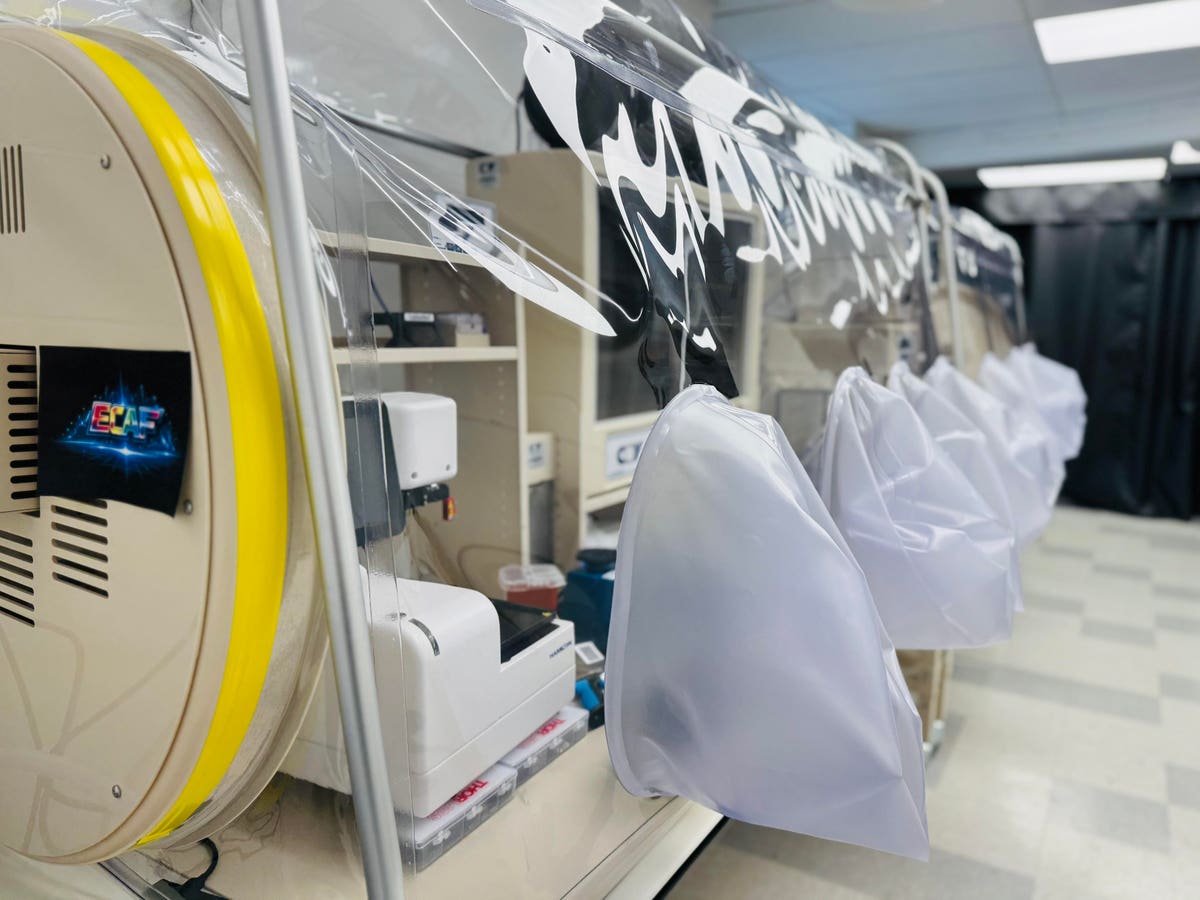
Malnutrition remains one of the most pressing global health challenges, affecting millions of children and adults in low‑income regions. While traditional interventions focus on fortified foods and supplements, a bold new approach is emerging from biotech: using engineered bacteria to deliver essential nutrients directly in the gut. The Gates Foundation’s recent investment in this innovative startup signals a potential game‑changer in the fight against hidden hunger.
Why Bacteria? The Science Behind a Microbial Nutrition Platform
Engineered probiotic strains can be programmed to synthesize vitamins, amino acids, and minerals that are often lacking in staple diets. When ingested, these microbes colonize the gut briefly, releasing nutrients in a controlled manner that the body can absorb efficiently.
Key Benefits
- Targeted delivery: Nutrients are released where they are most needed – the intestinal lining.
- Stability: Unlike powdered supplements, bacterial formulations are shelf‑stable and require no refrigeration.
- Scalability: Production uses existing fermentation infrastructure, keeping costs low.
The Startup’s Roadmap: From Lab to Field
The startup, NutriBac, has outlined a three‑phase plan, now backed by a $15 million grant from the Gates Foundation:
- Proof‑of‑Concept Trials: Conducting double‑blind studies in Kenya to assess safety and nutrient absorption.
- Regulatory Pathway: Working with local health ministries to secure approvals under novel food regulations.
- Scale‑Up & Distribution: Partnering with NGOs and micro‑enterprise networks to deliver the product through existing supply chains.
Potential Impact on Global Malnutrition
If successful, NutriBac’s platform could address two major forms of hidden hunger:
- Vitamin A deficiency: A leading cause of preventable blindness.
- Iron‑deficiency anemia: Impairs cognitive development in children.
Modeling suggests that reaching 10 million children annually could prevent up to 500,000 cases of severe deficiency within five years.
Challenges Ahead
Despite the promise, several hurdles remain:
- Public perception: Acceptance of genetically modified microbes varies across cultures.
- Regulatory complexity: Navigating differing safety standards in multiple countries.
- Long‑term efficacy: Ongoing monitoring is needed to ensure sustained nutrient delivery.
How You Can Support the Mission
For readers interested in contributing to this groundbreaking effort, consider the following actions:
- Donate to reputable NGOs that partner with NutriBac for field deployments.
- Advocate for science‑based policies that streamline approval of microbial nutrition products.
- Share this story on social media to raise awareness about innovative solutions to malnutrition.
Conclusion
The Gates Foundation’s funding of NutriBac marks a pivotal moment for biotech‑driven nutrition. By harnessing the power of engineered bacteria, this startup aims to deliver essential nutrients where they are needed most, offering a scalable, affordable, and sustainable weapon against malnutrition. While challenges persist, the combination of scientific rigor, strategic partnerships, and philanthropic backing creates a realistic pathway to healthier futures for millions worldwide.

Comments are closed, but trackbacks and pingbacks are open.