

Introduction
Ever wonder why a cup of coffee seems to wipe out brain fog while a short jog sometimes leaves you feeling more drained? Recent research comparing caffeine, acute aerobic exercise, and placebo reveals distinct pathways that each one takes to combat mental fatigue. In this article, we break down the findings, explain the science in plain language, and give you practical tips to harness the right tool for your next demanding task.
What Is Mental Fatigue?
Mental fatigue is the feeling of reduced cognitive performance after prolonged, demanding mental activity. It shows up as slower reaction times, poor decision‑making, and a yearning for a break. While it’s a normal response, chronic mental fatigue can impair productivity and mood.
Study Snapshot: Caffeine vs. Aerobic Exercise vs. Placebo
Researchers recruited 45 healthy adults and split them into three groups:
- Caffeine group: 200 mg of caffeine (about two cups of coffee) taken 30 minutes before a mental‑fatigue task.
- Aerobic exercise group: 20 minutes of moderate‑intensity cycling (≈65 % VO₂max) completed 10 minutes before the task.
- Placebo group: Sugar‑filled tablet with no active ingredient.
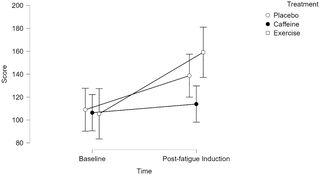
All participants then performed a 30‑minute sustained attention test while their subjective fatigue, reaction time, and EEG theta power (a brain‑wave marker of fatigue) were recorded.
Key Findings
1. Caffeine – Rapid Boost, Short‑Lived
- Subjective fatigue: Dropped by 22 % compared to placebo within the first 10 minutes.
- Performance: Reaction time improved by 0.12 seconds, and error rate fell by 15 %.
- EEG: Theta power decreased, indicating lower mental load.
- Duration: Benefits faded after ~25 minutes, with fatigue levels converging with placebo.
2. Acute Aerobic Exercise – Gradual, Enduring Effect
- Subjective fatigue: No immediate change, but after 10 minutes participants reported a 10 % reduction.
- Performance: Reaction time improved modestly (0.07 seconds) and stayed stable throughout the 30‑minute test.
- EEG: Slight but sustained reduction in theta power, suggesting prolonged neuro‑vascular benefits.
- Duration: Effects lasted the entire testing period, outperforming caffeine after the 20‑minute mark.
3. Placebo – The Power of Expectation
Even the placebo group reported a small (5 %) drop in perceived fatigue, confirming that expectation alone can provide a modest boost. However, objective measures (reaction time and EEG) remained unchanged.
Why Do They Differ?
- Caffeine blocks adenosine receptors, giving an immediate wake‑up signal but also triggering a rebound as the compound wears off.
- Aerobic exercise increases cerebral blood flow, releases dopamine and BDNF (brain‑derived neurotrophic factor), and promotes a more stable arousal state.
- Placebo works through expectation, activating the brain’s reward circuitry without physiological change.
Practical Takeaways
- Need a quick pick‑me‑up? Opt for a moderate caffeine dose 30 minutes before a short, high‑intensity mental task.
- Preparing for a long session? Perform a 15–20‑minute moderate aerobic workout 10 minutes prior; you’ll get steadier performance.
- When caffeine isn’t an option (e.g., late‑night work), a brief walk or light cycling can still mitigate fatigue.
- Combine wisely: A light jog followed by a small coffee can merge the rapid boost with lasting stamina—just avoid exceeding 400 mg caffeine daily.
Conclusion
The study highlights that caffeine, acute aerobic exercise, and placebo each fight mental fatigue in unique ways. Caffeine offers an immediate but fleeting lift, while a short bout of aerobic activity provides a slower yet more durable improvement. Understanding these dynamics lets you tailor your pre‑task routine to the demands of the job—whether you need a rapid spark or sustained focus.
Further Reading
For deeper insight, explore the original peer‑reviewed article titled “Differential Effects of Caffeine, Acute Aerobic Exercise, and Placebo on Mental Fatigue” published in Journal of Cognitive Neuroscience.

Comments are closed, but trackbacks and pingbacks are open.