

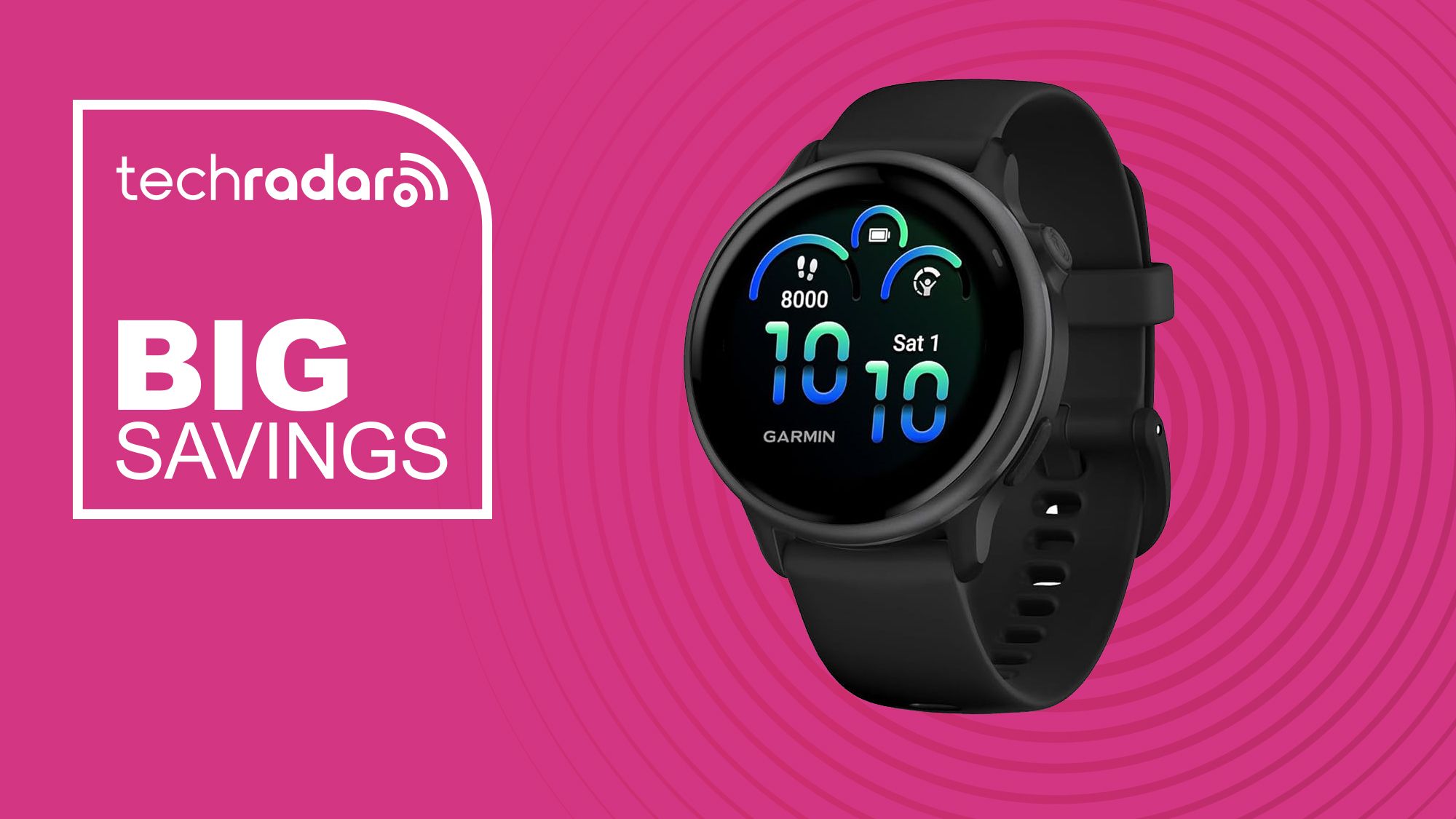
Why I’d Pick the AU$388 Garmin Vivoactive 6 Over the Apple Watch SE 3 as a Long-Time Garmin User
I’ve been a loyal Garmin user for 7 years, cycling through the Forerunner, Fenix, and Vivoactive lines for everything from casual weekend hikes to half-marathon training. When the Garmin Vivoactive 6 launched in Australia for just AU$388, I immediately pitted it against the long-hyped Apple Watch SE 3 — and the result surprised even me. If you’re torn between the two, here’s why Garmin’s mid-range offering wins out for most everyday users.
What Makes the Garmin Vivoactive 6 Stand Out at AU$388?
1. Battery Life That Doesn’t Ruin Your Routine
Garmin’s biggest edge over Apple has always been battery life, and the Vivoactive 6 doubles down on that. It delivers up to 12 days of use on a single charge, even with daily GPS workouts and sleep tracking enabled. Compare that to the Apple Watch SE 3, which taps out at 18 hours of use — meaning you’ll be charging it every single night, often more if you use GPS heavily.
Forget packing a charger for weekend trips, or waking up to a dead watch before a morning run. The Vivoactive 6 stays powered when you need it, no extra effort required.
2. Fitness Tracking Built for Real Athletes (and Casual Movers)
Garmin’s in-house Firstbeat Analytics power the Vivoactive 6’s metrics, which go far deeper than Apple’s basic fitness tracking. You get:
- HRV status and recovery time recommendations
- Training load and acute load tracking
- Advanced sleep coaching with sleep stage breakdowns
- Built-in sports profiles for 30+ activities, from swimming to yoga
Even if you only work out 2-3 times a week, these insights help you avoid overtraining and hit your goals faster. Apple’s fitness tools are solid, but they lack the granular, actionable data Garmin provides for the same price point.
3. Zero Hidden Subscription Fees
All of the Vivoactive 6’s core features — including its advanced fitness metrics, offline maps, and music storage — are included in the AU$388 price tag. Apple locks several key wellness features behind its AU$14.99/month Apple Fitness+ subscription, adding hundreds of dollars to the total cost of ownership over a few years.
Where the Apple Watch SE 3 Takes the Lead
To be clear, the Apple Watch SE 3 isn’t a bad device. It wins out in two key areas for specific users:
Seamless Apple Ecosystem Integration
If you’re deeply embedded in the Apple ecosystem, the SE 3 is hard to beat. It syncs instantly with your iPhone, supports Siri, lets you reply to texts and take calls directly from your wrist, and has access to thousands of third-party apps in the App Store. It’s essentially a mini iPhone on your wrist, which is great for productivity and entertainment.
Brighter Indoor Display
The SE 3’s OLED screen is sharper and brighter than the Vivoactive 6’s sunlight-readable display when used indoors. If you spend most of your time in offices or gyms and care more about display clarity than outdoor visibility, Apple’s panel is the better pick.
Why the Vivoactive 6 Beats the SE 3 for Most People
For 80% of users, the Garmin Vivoactive 6 at AU$388 delivers far more value. Here’s why:
It Works Across All Smartphones
Unlike the Apple Watch SE 3, which only works with iPhones, the Vivoactive 6 pairs seamlessly with both iOS and Android devices. If you switch phone brands in the next 2-3 years, you won’t have to replace your watch — a huge plus for long-term value.
Less Distracting, More Focused
The Vivoactive 6 is designed first and foremost as a fitness tool, with smart features that support your active lifestyle rather than distract from it. You won’t get constant social media notifications or app badges pulling your attention away from your workout or hike. Apple’s watch is great for staying connected, but it’s easy to get sucked into scrolling when you should be focusing on your run.
Better Value for Money
At AU$388, the Vivoactive 6 is priced nearly the same as the Apple Watch SE 3 (which retails for AU$399 in Australia). For that same price, you get longer battery life, more advanced fitness tracking, no subscription fees, and cross-platform compatibility. The math just makes sense.
Who Should Still Buy the Apple Watch SE 3?
Stick with the SE 3 if:
- You’re 100% committed to the Apple ecosystem and never plan to switch phones
- You use your watch more for messaging, calls, and app access than fitness tracking
- You don’t mind charging your watch every single night
Final Verdict
As a long-time Garmin user, I’ve never found a smartwatch that balances fitness utility, battery life, and value as well as the Vivoactive 6. At AU$388, it outperforms the Apple Watch SE 3 in every category that matters to active everyday users. Unless you’re deeply tied to Apple’s ecosystem, the Vivoactive 6 is the clear pick.

Comments are closed, but trackbacks and pingbacks are open.