

Introduction: The Sky Is No Longer the Limit
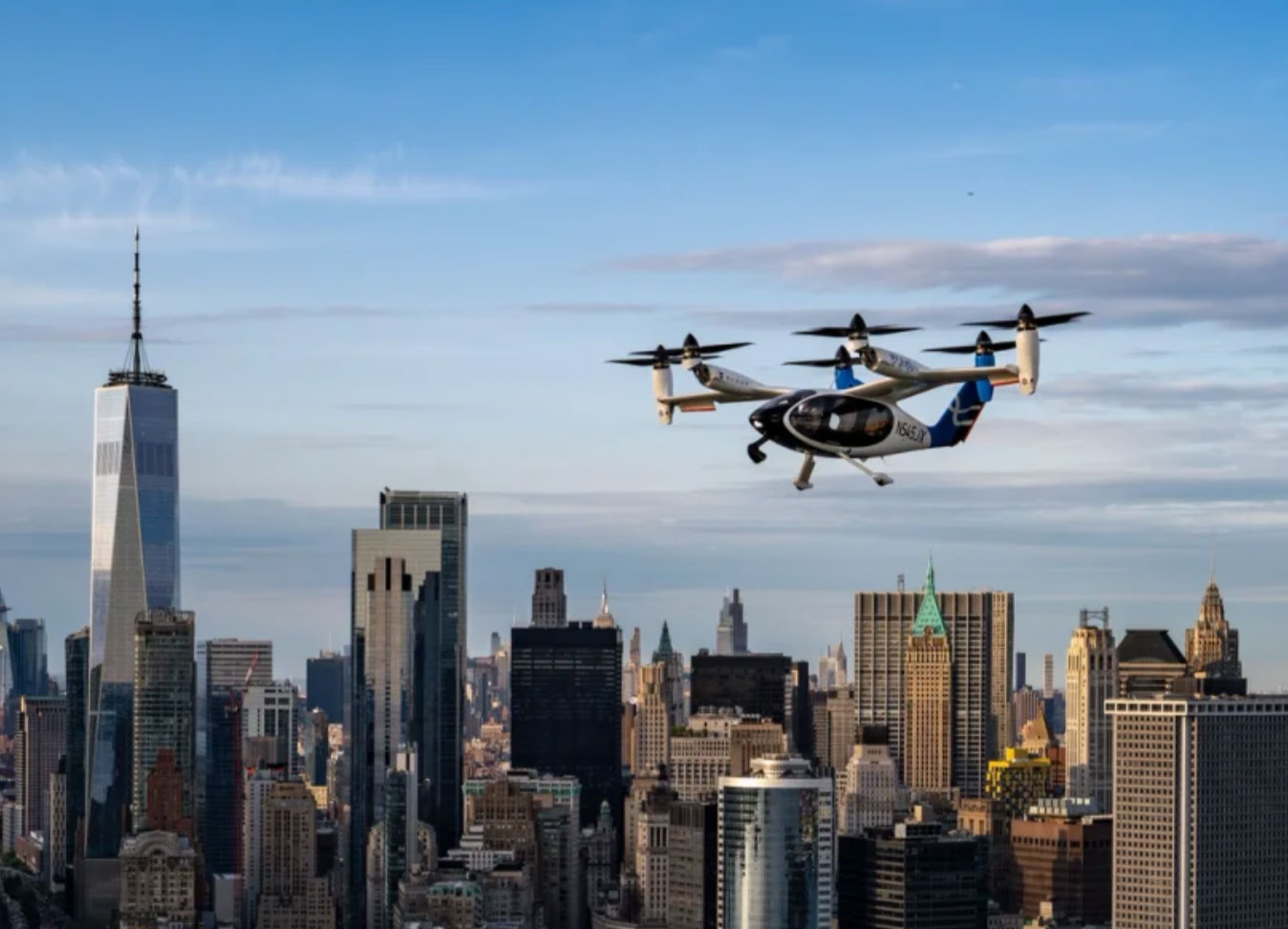
Imagine stepping out of your front door, scanning a mobile app, and stepping onto a sleek, electric vertical take‑off and landing vehicle (eVTOL) that lifts you above rush‑hour traffic. It sounds like science fiction, but flying taxis are now a certified reality. Companies such as Joby, Lilium, and Volocopter have secured regulatory approval and are testing passenger flights in major cities. The big question, however, isn’t whether the technology works—it’s whether we want these aerial vehicles cruising directly over our houses.
How Flying Taxis Work
Modern flying taxis are electric‑powered eVTOLs that can take off and land vertically, eliminating the need for runways. Key components include:
- Distributed electric propulsion: multiple small rotors provide lift and redundancy.
- Advanced avionics: autonomous flight‑control systems handle take‑off, navigation, and landing.
- Quiet‑zone design: noise‑reduction blades and optimized flight paths aim to keep sound levels under 65 dB at street level.
These vehicles typically carry 2–5 passengers at speeds of 150–200 km/h, covering 60–120 km on a single charge.
Safety Standards and Regulations
Regulators are treating eVTOLs like conventional aircraft, which means:
- Certification under Part 23 (airworthiness) or Part 27 (helicopter) standards.
- Mandatory “flight‑over‑people” restrictions—most pilot programs avoid densely populated corridors until proven safe.
- Real‑time traffic management via NASA’s UTM (Unmanned Aircraft System Traffic Management) platform.
Early safety data from test flights shows incident rates comparable to general aviation, but public perception remains a hurdle.
Impact on Neighborhoods
Noise Concerns
Even with quieter rotors, a fleet of flying taxis could add 30–40 dB of ambient noise during peak hours. Studies suggest that:
- Noise below 55 dB is usually acceptable for residential areas.
- Flight paths designed over commercial districts can mitigate residential impact.
- Community “noise‑abatement zones” are being proposed to restrict operations near schools and hospitals.
Privacy and Visual Intrusion
Low‑altitude flights raise concerns about:
- Potential surveillance from onboard cameras.
- Constant visual presence disrupting the streetscape.
Many operators pledge to disable external cameras and to limit flight altitude to 150 m in residential zones.
Economic Benefits
On the upside, aerial mobility can boost local economies by:
- Creating high‑tech jobs in manufacturing, maintenance, and operations.
- Increasing property values near approved vertiports (similar to subway proximity).
- Reducing road congestion, which shortens delivery times for businesses.
What Cities Are Doing Right Now
Several municipalities have launched pilot programs:
- Los Angeles: Joby’s SkyDeck at LAX will serve as a hub for short‑haul flights to nearby suburbs.
- Dubai: The Dubai Skybus trial uses autonomous eVTOLs for airport‑to‑city routes.
- Paris: Volocopter’s VoloPort at La Défense tests community‑feedback loops for noise and flight‑path adjustments.
Should You Embrace Flying Taxis?
Ultimately, the decision comes down to personal priorities:
- If speed and convenience outweigh occasional noise, flying taxis could become your preferred commute.
- If you value quiet neighborhoods and have concerns about privacy, you may advocate for stricter flight corridors.
Community involvement is key. Many cities are inviting residents to comment on vertiport locations and flight‑path design. Your voice can shape how these vehicles integrate into daily life.
Conclusion: A Skyward Choice
Flying taxis have moved from prototype to operational reality, promising faster travel and new economic opportunities. Yet, the success of this airborne revolution will depend on balancing technological benefits with the lived experience of residents. By staying informed and participating in local planning, you can help ensure that the future of urban air mobility lifts everyone—not just the aircraft.

Comments are closed, but trackbacks and pingbacks are open.