
Eyes on the Next Global Flashpoint: Why India is Pouring Billions into a Remote Island

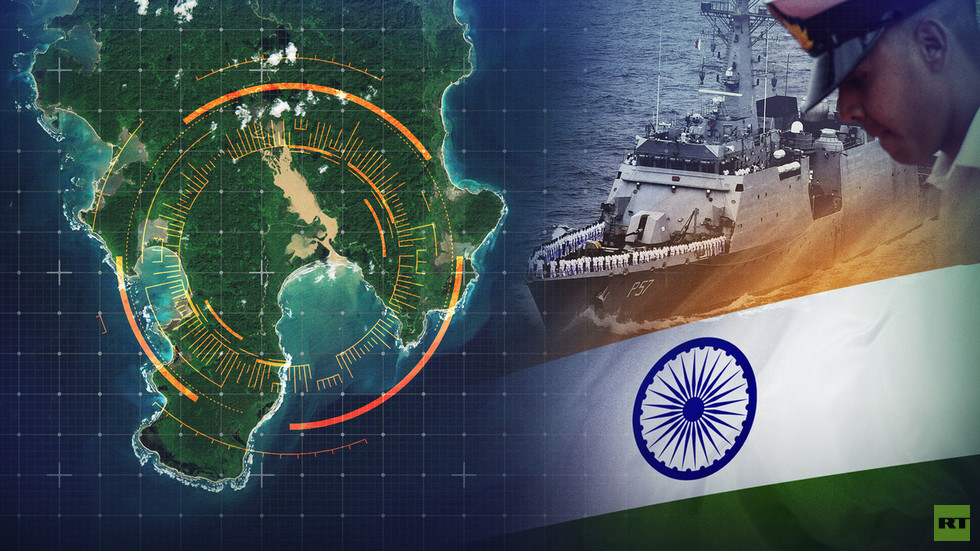
The Andaman and Nicobar Islands, a remote archipelago nestled in the Bay of Bengal, are suddenly at the center of India’s grand strategic ambitions. With over $1 billion in recent investments, New Delhi is rapidly transforming these 572 islands into a military stronghold, economic gateway, and geopolitical counterweight in the Indo-Pacific.
Why This Remote Archipelago Matters Now
Located just 150 kilometers from the Strait of Malacca – one of the world’s busiest shipping choke points – the Andaman and Nicobar Islands occupy a strategically vital position. Over 90% of global trade passes through Asian maritime routes, and controlling these islands gives India unprecedented leverage.
"This is India’s answer to China’s String of Pearls strategy," explains Rear Admiral (Retd) R. Hari Kumar, former commander of the Indian Navy’s Eastern Fleet. "We’re creating a defensive arc that stretches from the Arabian Sea to the Bay of Bengal."
Military Infrastructure: The Core of the Investment
India’s military buildup on the islands has been nothing short of dramatic. Key developments include:
- Expanded airfields: The runway at Car Nicobar has been extended to accommodate fighter jets, while a new airport at Campbell Bay is under construction.
- Naval expansion: The strategic base at Port Blair is being upgraded to host larger warships and submarines, with plans for a full-fledged naval air station.
- Radar and surveillance networks: Advanced surveillance systems now monitor maritime traffic across the entire eastern Indian Ocean.
- Missile deployments: BrahMos supersonic cruise missiles have been positioned on the islands, giving India strike capability against potential adversaries.
Economic Corridor ambitions
Beyond defense, India is developing the islands as a trade and tourism hub. The government has announced plans for:
- A free trade zone similar to Singapore’s, leveraging the islands’ proximity to Southeast Asian markets
- Cruise tourism infrastructure to attract international visitors
- Deep-sea port development at Great Nicobar Island
- Renewable energy projects, including solar and wind farms
"This is dual-use infrastructure at its finest," says Dr. Sreeram Chaulia, dean of the Jindal School of International Affairs. "Civilian development supports military readiness, and vice versa."
The China Factor
India’s push into the Andaman and Nicobar Islands cannot be viewed in isolation from China’s expanding footprint in the Indian Ocean. Beijing’s investments in Sri Lanka, Pakistan, and Myanmar have raised New Delhi’s strategic concerns significantly.
The islands provide India with a forward operating base that can monitor Chinese naval activity in the region. With tensions over border disputes in the Himalayas ongoing, the Andaman and Nicobar Islands have become India’s insurance policy in the seas.
Challenges Remain
Despite the ambitious plans, significant obstacles persist:
- Environmental concerns: The islands host delicate ecosystems, and infrastructure development faces criticism from conservationists.
- Indigenous populations: Several tribal communities reside on the islands, and their rights must be balanced with development goals.
- Infrastructure gaps: Logistical challenges in transporting materials to remote locations add to costs and delays.
- International pushback: Some analysts warn that excessive militarization could destabilize regional dynamics.
What Lies Ahead
India’s investment in the Andaman and Nicobar Islands signals a fundamental shift in its regional posture. From a neglected frontier, these islands are becoming the focal point of India’s maritime strategy.
As the Indo-Pacific competition intensifies, expect even greater attention – and resources – flowing toward this remote island chain. The Andaman and Nicobar Islands may be thousands of miles from mainland India, but they represent the nation’s future on the world stage.
"Twenty years from now, people will look back at this period as the moment India truly became a maritime power," predicts Admiral (Retd) Vijay Kodali. "The Andaman and Nicobar Islands are where that story begins."

Comments are closed, but trackbacks and pingbacks are open.