

Introduction
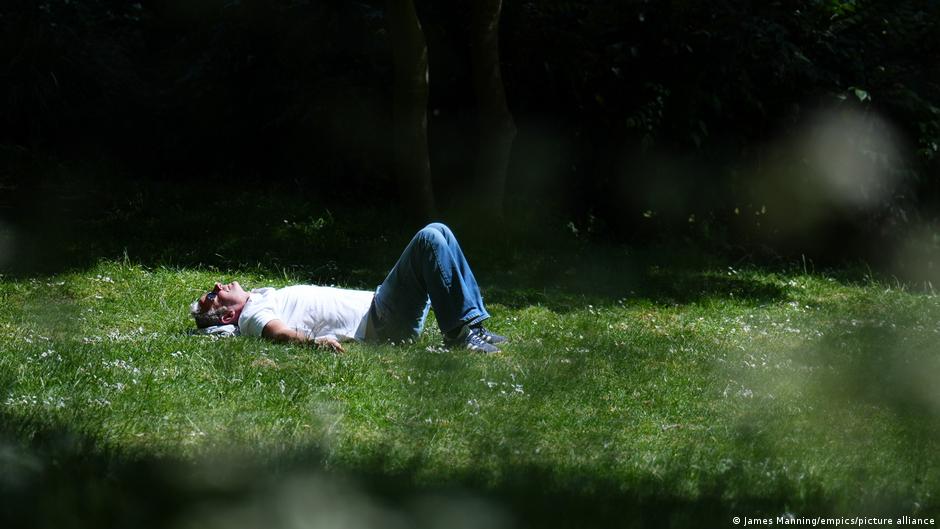
Every spring, German news outlets and social media buzz with stories about a peculiar condition called "Frühlingsmüdigkeit" – or spring fatigue. Supposedly, the changing weather, longer daylight hours, and pollen spikes leave millions feeling unusually tired. But does this seasonal slump actually exist, or is it just a convenient excuse for low energy?
What Is "Spring Fatigue"?
The term gained popularity in the early 2000s after a series of German TV segments highlighted citizens complaining of "unexpected" weariness during March and April. Headlines claimed the phenomenon was linked to hormonal shifts, lower melatonin levels, and a “biological clock reset.”
Scientific Perspective
1. Hormones and Light Exposure
Research shows that daylight influences melatonin production, but the effect is gradual. A 2019 study in the Journal of Circadian Rhythms found no significant dip in melatonin that would cause widespread fatigue during spring. Instead, people often experience a slight increase in alertness as sunlight rises.
2. Allergy‑Related Fatigue
Pollen can trigger fatigue, but this is a symptom of allergic rhinitis, not a distinct "spring fatigue" syndrome. A meta‑analysis of 12 allergy studies reported that only 15‑20% of pollen‑allergic individuals notice tiredness, and it correlates with the severity of nasal congestion, not the season itself.
3. Lifestyle Changes
Spring brings lifestyle adjustments: outdoor activities, vacation plans, and changes in work routines. These shifts can disrupt sleep patterns, leading to temporary tiredness. The effect is psychological and behavioral rather than a physiological “spring fatigue” condition.
Why the Myth Persists
- Media amplification: Sensational headlines attract clicks.
- Cultural narrative: Germans traditionally associate spring with a “transition” period, making the story relatable.
- Confirmation bias: People who feel a bit sluggish attribute it to the season, reinforcing the belief.
How to Combat Real Spring‑Related Tiredness
- Maintain regular sleep schedules: Aim for 7‑9 hours and keep consistent bedtimes.
- Increase outdoor exposure early in the day: Sunlight helps regulate circadian rhythms.
- Stay hydrated: Dehydration can mimic fatigue.
- Manage allergies: Antihistamines or nasal rinses can reduce allergy‑induced weariness.
- Exercise: Light aerobic activity boosts energy levels and improves mood.
Conclusion
There is no scientific evidence supporting a unique "German spring fatigue" condition. The feeling of low energy in spring is usually a blend of lifestyle changes, occasional allergy symptoms, and normal circadian adjustments. By focusing on healthy habits, you can beat the tiredness that many mistakenly label as a seasonal myth.

Comments are closed, but trackbacks and pingbacks are open.