

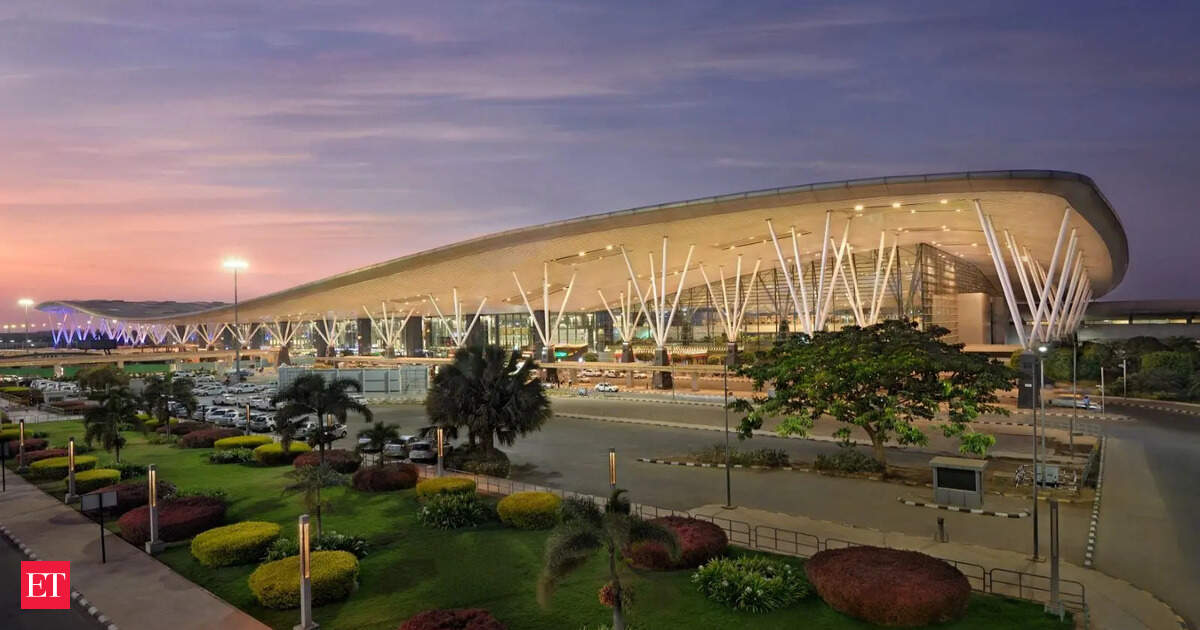
Introduction
The Kempegowda International Airport in Bengaluru has taken a bold step into the future of aviation safety by deploying an AI‑driven airside safety system. This cutting‑edge technology promises to streamline ground operations, reduce risks, and enhance the overall passenger experience.
What Is the AI‑Driven Airside Safety System?
The new system combines high‑resolution cameras, radar sensors, and advanced machine‑learning algorithms to monitor every movement on the airport’s airside – from aircraft taxiing to ground support equipment (GSE) activity. By analysing real‑time data, the platform can instantly detect unsafe conditions, predict potential conflicts, and alert staff before incidents occur.
Key Components
- Computer Vision Cameras: Positioned at strategic points to capture 360° views of runways, taxiways, and aprons.
- Radar & Lidar Sensors: Provide precise location data for aircraft and GSE, even in low‑visibility conditions.
- Machine‑Learning Engine: Trained on millions of operational scenarios to identify anomalies such as runway incursions, unauthorized vehicle entry, or stray wildlife.
- Integrated Dashboard: Gives air traffic controllers, ramp managers, and safety officers a unified view with actionable alerts.
How the System Improves Operations
By automating safety monitoring, Bengaluru Airport can achieve several tangible benefits:
- Reduced Runway Incursions: Early detection cuts the likelihood of aircraft‑vehicle collisions.
- Faster Turnaround Times: Real‑time alerts allow ground crews to resolve issues quickly, keeping flights on schedule.
- Enhanced Resource Allocation: Predictive analytics help schedule GSE and staff where they’re needed most.
- Data‑Driven Decision Making: Historical incident data can be analysed to refine safety protocols.
Real‑World Example
During a recent trial, the AI system identified a stray cargo trolley approaching an active runway 12 seconds before it entered a conflict zone. An automatic visual and audio warning was sent to the apron controller, prompting immediate removal of the trolley and preventing a potential runway incursion.
Impact on Passengers and Airlines
For travelers, fewer disruptions mean smoother journeys and reduced delays. Airlines benefit from lower operational costs, fewer compensation claims, and an improved reputation for punctuality. Moreover, the system aligns with global aviation safety standards set by ICAO and the FAA.
Future Plans and Expansion
Airport authorities plan to integrate the AI platform with existing runway lighting and navigation systems, creating a fully automated safety ecosystem. There is also talk of extending the technology to other Indian airports, positioning Bengaluru as a testbed for AI‑enhanced aviation safety across the country.
Conclusion
The AI‑driven airside safety system marks a significant milestone for Bengaluru Airport, demonstrating how intelligent technology can boost operational efficiency while safeguarding lives. As the aviation sector embraces digital transformation, such innovations will become the new benchmark for airports worldwide.

Comments are closed, but trackbacks and pingbacks are open.