

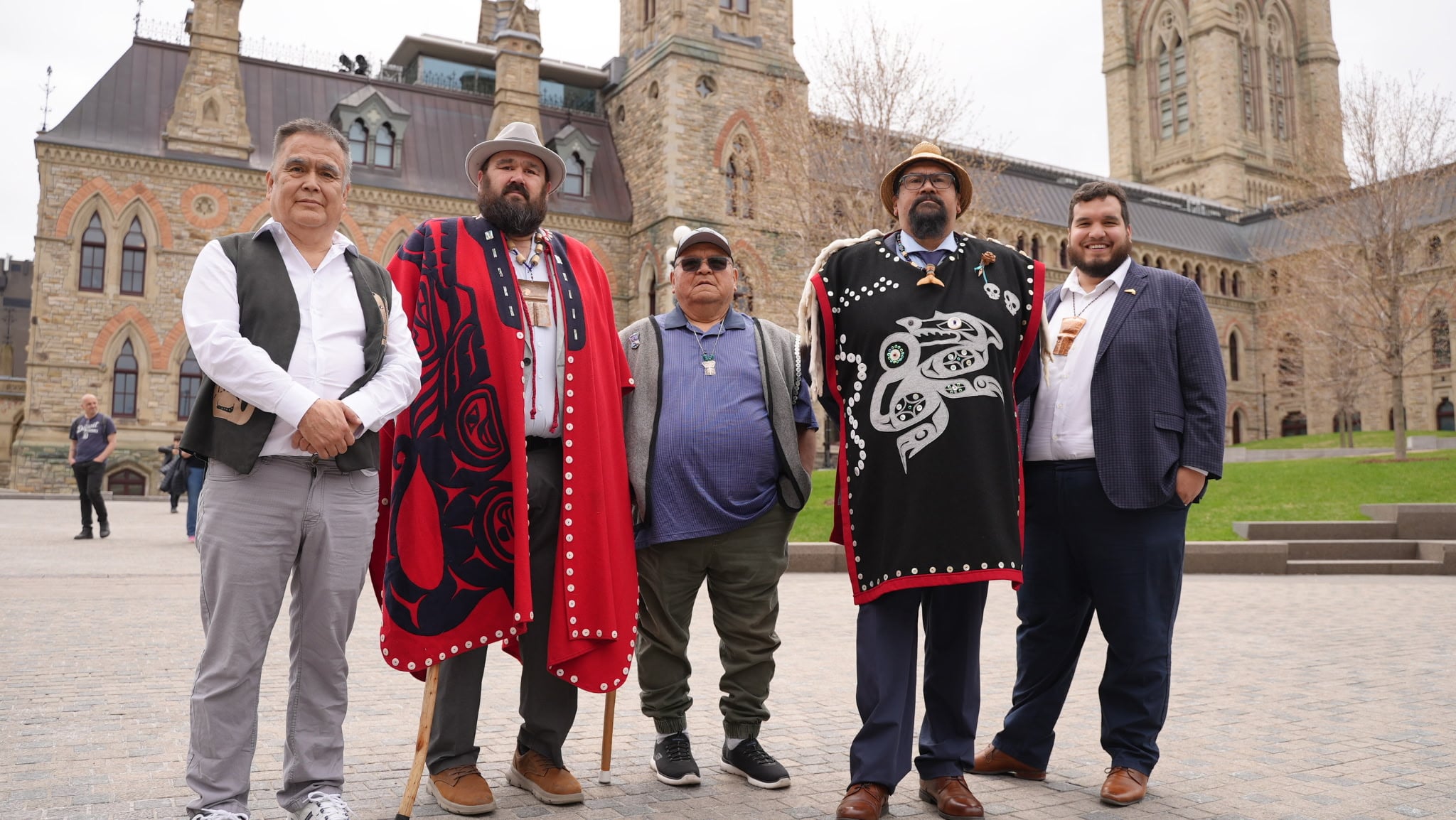
In a bold move that could reshape British Columbia’s aquaculture landscape, several First Nations are urging the provincial government to replace the current salmon‑farming ban with a self‑governed, Indigenous‑led system. The proposal aims to protect wild salmon, honour treaty rights, and preserve jobs that depend on the industry.
Why the Ban Was Introduced
In 2023 the B.C. government announced a moratorium on open‑net salmon farms after a series of environmental studies linked sea‑cage operations to disease spill‑over, escaped fish, and threats to wild‑run salmon populations. While the ban was praised by conservation groups, it also sparked concerns among communities that rely on aquaculture for employment and economic stability.
First Nations’ Vision for a New System
Leaders from the Kwakiutl, Tsawwassen, and Snuneymuxw Nations presented a comprehensive plan that replaces the blanket ban with a co‑managed framework rooted in traditional stewardship principles. Key components include:
- Indigenous Licensing Authority: A governing board composed of elected First Nations representatives would issue and enforce licences, ensuring compliance with both environmental standards and cultural protocols.
- Eco‑Friendly Farm Design: Transition to closed‑containment or land‑based recirculating aquaculture systems (RAS) that eliminate fish escapes and reduce chemical use.
- Real‑Time Monitoring: Deploy sensors and satellite tracking to continuously measure water quality, disease levels, and fish health, with data publicly accessible.
- Community Benefit Agreements: Guarantee a fixed percentage of profits for local employment, training programs, and health‑care funding.
How the Model Protects Wild Salmon
By moving away from open‑net pens, the proposed system cuts the primary pathways for disease transmission and genetic dilution. Closed‑containment farms also limit interaction with native predator species, preserving the ecological balance essential for wild salmon runs.
Economic Impact: Preserving Jobs While Going Green
According to a 2022 B.C. Aquaculture Association report, the province’s salmon industry supports roughly 5,500 direct jobs and generates over $1.5 billion annually. A sudden ban threatens to erase these opportunities, especially in coastal Indigenous communities where aquaculture is a top employer.
The Indigenous‑led model proposes a phased transition:
- Convert 30 % of existing open‑net sites to closed‑containment within two years.
- Provide retraining for current farm workers in RAS technology and environmental monitoring.
- Create a $20 million fund, sourced from provincial grants and private investment, to support small‑scale Indigenous operators.
This approach aims to retain at least 80 % of current jobs while positioning B.C. as a leader in sustainable aquaculture.
Challenges and Next Steps
Implementing the Indigenous‑led system will require:
- Legislative Change: Amendments to the Aquaculture Act to recognise Indigenous licensing authority.
- Capital Investment: Up‑front costs for retrofitting farms with closed‑containment technology.
- Stakeholder Collaboration: Ongoing dialogue between provincial officials, First Nations, environmental NGOs, and industry groups.
First Nations leaders are set to meet with the provincial cabinet next month to present a detailed policy paper and request a joint working group.
What This Means for Readers
If successful, the new framework could become a blueprint for other jurisdictions grappling with the balance between food production and ecosystem health. For coastal residents, it promises a future where jobs are secure, salmon are safe, and Indigenous knowledge drives innovation.
Key Takeaways
- BC First Nations propose replacing the salmon‑farming ban with an Indigenous‑governed, closed‑containment system.
- The model protects wild salmon, reduces environmental risks, and sustains thousands of jobs.
- Implementation will need legislative updates, capital funding, and multi‑stakeholder cooperation.
Stay tuned as the province and First Nations negotiate the next steps toward a more sustainable and culturally respectful salmon industry.

Comments are closed, but trackbacks and pingbacks are open.