

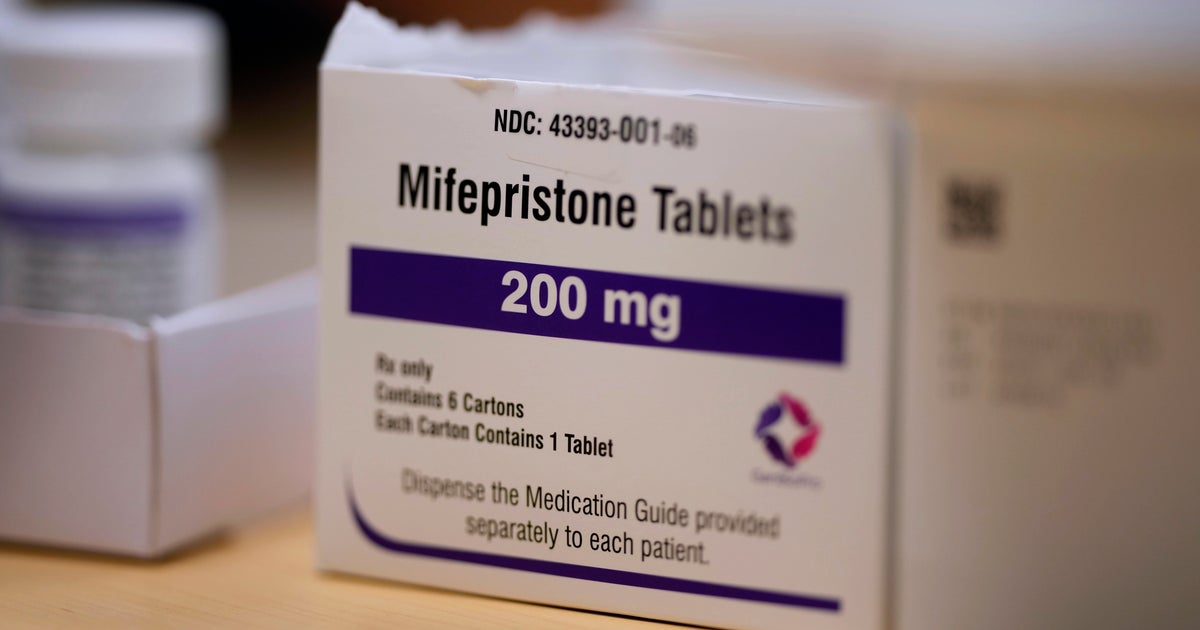
Court Ruling Impacts Medication Abortion Access
A federal appeals court has issued a ruling that could significantly impact how mifepristone, a medication used in abortion care, is distributed across the United States. The decision marks another chapter in the ongoing legal battles over reproductive healthcare access in America.
Understanding the Court’s Decision
The appeals court blocked the mailing of mifepristone, a medication that has been used in combination with another drug for medication abortion procedures for over two decades. The ruling represents a shift in how the medication can be accessed and distributed.
The court determined that current distribution methods would need to be modified under the ruling. This decision affects pharmacies, healthcare providers, and patients who rely on medication abortion as a reproductive healthcare option.
Background on Mifepristone
Mifepristone, also known by its brand name Mifeprex, has been approved by the Food and Drug Administration since 2000. The medication works by blocking progesterone, a hormone necessary for maintaining pregnancy. It is typically used in combination with misoprostol to terminate early pregnancies.
The medication has been used by millions of women in the United States and is considered by major medical organizations to be safe and effective for medication abortion through the first trimester. The FDA has extensively reviewed the medication’s safety profile over the years.
What This Means for Patients and Providers
The ruling creates new considerations for healthcare providers who prescribe mifepristone and for patients seeking medication abortion options. The decision affects how the medication can be dispensed and delivered.
Healthcare systems and providers are now navigating the implications of this ruling while working to maintain access to reproductive healthcare services. Many are exploring alternative arrangements to continue serving patients.
Ongoing Legal and Political Context
This court decision exists within a broader landscape of legal challenges to reproductive healthcare access. Since the Supreme Court’s 2022 decision in Dobbs v. Jackson Women’s Health Organization, which returned abortion regulation to the states, various aspects of abortion care have faced legal scrutiny.
The case has drawn attention from medical organizations, legal experts, and advocacy groups on multiple sides of the issue. The ruling is likely to face further legal challenges and could ultimately be decided by higher courts.
Looking Ahead
The appeals court ruling marks a significant development in the ongoing legal debates surrounding medication abortion in the United States. Patients, healthcare providers, and advocates are closely monitoring the situation as it continues to evolve.
The decision underscores the complex intersection of medicine, law, and policy that characterizes reproductive healthcare in America today. As the legal process continues, many are watching to see how this will affect access to medication abortion services across the country.

Comments are closed, but trackbacks and pingbacks are open.