

Animal bites remain a pressing public health concern across Iran, with rural and semi-urban regions facing disproportionate risks of rabies transmission and related complications. A newly published retrospective study focusing on Khoy County in Northwest Iran sheds fresh light on shifting epidemiology and trends of animal bites between 2021 and 2024.
Key Study Overview
The research team analyzed 4 years of medical records from Khoy County’s public health facilities, covering all reported animal bite cases between January 2021 and December 2024. This is the first large-scale, recent analysis of animal bite patterns specific to this border county, which shares proximity to Turkey and Armenia.
Major Epidemiology Findings
Most Common Bite Sources
Unsurprisingly, stray dogs accounted for the majority of reported bites, followed by stray cats and livestock (including sheep, goats, and cattle). Domestic pets made up a smaller but growing share of cases, pointing to gaps in pet vaccination programs.
- Stray dogs: 62% of all reported bites
- Stray cats: 21% of cases
- Livestock: 12% of cases
- Domestic pets: 5% of cases
High-Risk Demographics
Children aged 5–14 years and adult men working in agriculture or animal husbandry were the most frequently affected groups. The study found that 38% of all bite victims were under 18, with boys 3 times more likely to be bitten than girls in the same age range.
Men made up 67% of total cases, largely due to occupational exposure to animals in rural parts of Khoy County.
Notable Trends (2021–2024)
Seasonal Spike Patterns
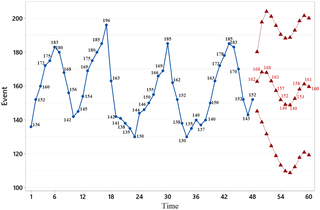
Bite reports peaked consistently during the warmer months of May to September, aligning with increased outdoor activity for both humans and stray animals. 2023 saw the highest single-year spike, with a 17% increase in cases compared to 2021.
Geographic Distribution
Rural districts of Khoy County reported 2.4 times more bite cases per capita than urban centers, linked to higher stray animal populations and limited access to post-exposure prophylaxis (PEP) services in remote areas.
Rabies Vaccination Gaps
While 89% of bite victims received at least one dose of rabies vaccine, only 62% completed the full PEP regimen as recommended by the WHO. This gap was most pronounced in rural areas with limited healthcare access.
Public Health Implications
The study’s authors highlight several urgent recommendations for Khoy County health officials:
- Expand stray animal vaccination and sterilization programs to reduce roaming populations
- Launch targeted education campaigns for rural families and school-aged children on bite prevention
- Improve PEP access in remote districts by deploying mobile vaccination clinics
- Mandate regular vaccination checks for domestic pets across the county
Conclusion
This 2021–2024 retrospective study provides critical baseline data for animal bite prevention efforts in Khoy County and similar Northwest Iranian regions. Addressing the identified gaps in vaccination coverage and rural healthcare access could significantly reduce rabies risks and related health burdens in the coming years.

Comments are closed, but trackbacks and pingbacks are open.