

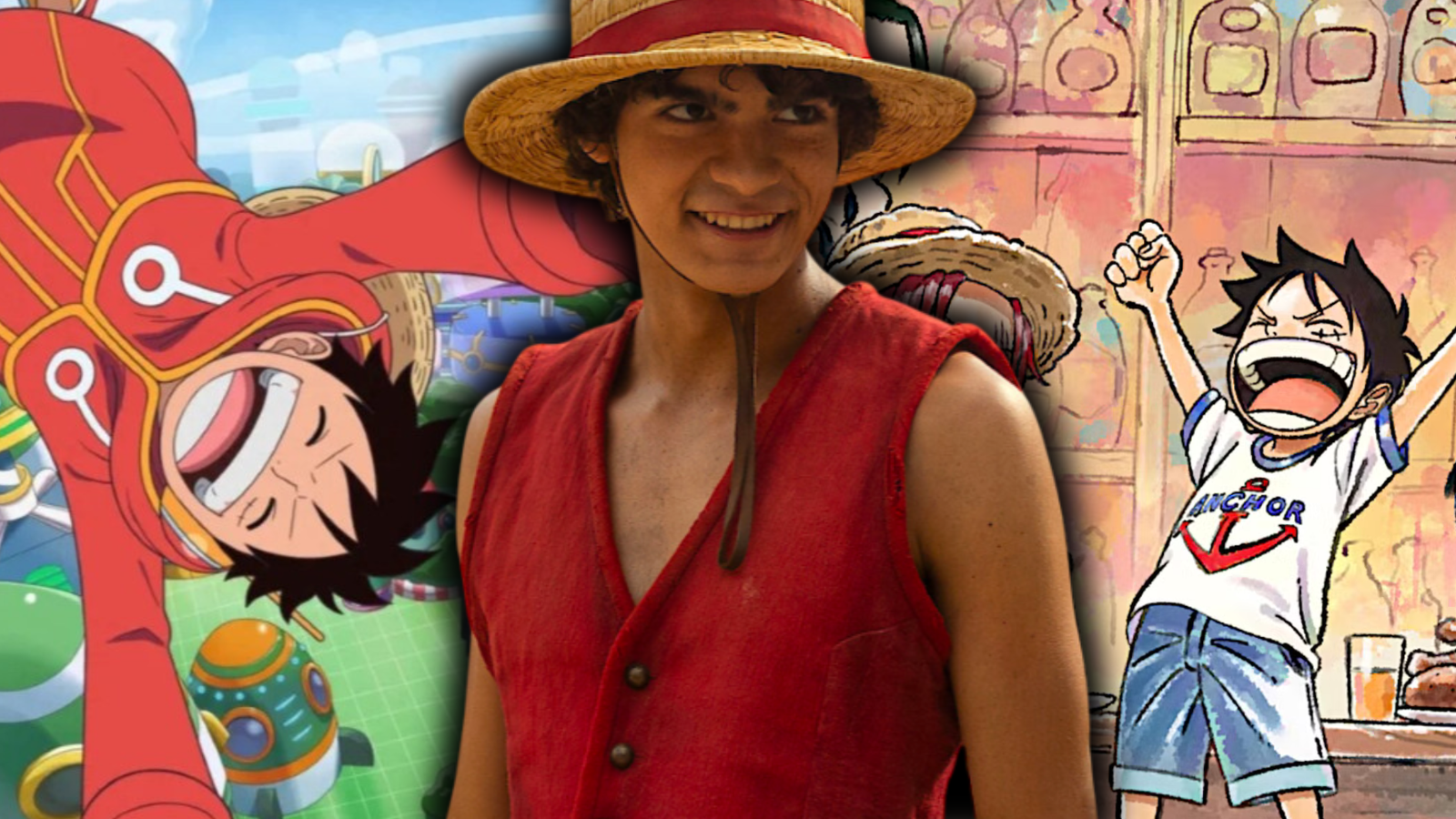
For decades, millions of fans worldwide have followed Monkey D. Luffy and his crew through the epic journey of One Piece. While the anime brought the series to global prominence, a significant shift has occurred in how the franchise operates. The One Piece anime has officially been dethroned as the franchise’s blueprint, reaffirming what longtime readers have always known: the manga is and always has been the true source of this beloved series.
The One Piece Anime’s Role in Franchise History
Since its debut in 1999, the One Piece anime has become a cultural phenomenon in its own right. Produced by Toei Animation, the animated series introduced countless fans to the world of pirates, Devil Fruits, and the search for the legendary One Piece treasure. The anime’s distinct visual style, memorable voice acting, and emotional storytelling created a generation of devoted viewers who may have never picked up a manga.
However, the anime has always operated in a unique position within the franchise. Unlike original anime series that develop their stories independently, One Piece’s animated adaptation has consistently followed Eiichiro Oda’s manga as its source material. This relationship has become increasingly significant in recent years as the franchise continues to evolve.
Why the Manga Is the True Blueprint
Eiichiro Oda’s manga, which began serialization in 1997, contains the definitive story of One Piece. Every arc, character development, and plot twist originates from Oda’s vision. The manga provides the blueprint that all adaptations must follow, whether anime, live-action, or film.
Recent developments have made this relationship clearer than ever. The anime has faced criticism for pacing issues, particularly during the Wano arc, where extended flashbacks and slow progression frustrated viewers. These concerns have led many fans to return to the manga for the core story, reinforcing the manga’s position as the franchise’s foundation.
Key Reasons the Manga Remains Superior
- Story Pacing: The manga delivers the narrative at Oda’s intended speed without anime-filler padding
- Artistic Vision: Every panel reflects Oda’s original artwork and creative intent
- Complete Content: The manga often includes details and scenes cut from the anime
- Authoritative Canon: Only the manga represents Oda’s definitive version of events
The Rise of Alternative Adaptations
The dethroning of the anime as the franchise’s blueprint becomes even more apparent with the emergence of other adaptations. Netflix’s live-action series proved that the One Piece universe could be successfully translated to different mediums while remaining faithful to Oda’s source material.
This diversification has shifted focus back to the manga as the common thread connecting all adaptations. Whether watching the anime, viewing the live-action series, or reading the manga, fans ultimately trace their experience back to Oda’s original work.
What This Means for Fans
For both longtime followers and newcomers to the series, understanding the manga’s position as the blueprint enhances the One Piece experience. Readers who start with the manga gain access to the purest form of Oda’s storytelling, free from the modifications sometimes required for anime adaptation.
The anime remains an excellent entry point for the franchise and offers its own unique contributions, including memorable soundtracks, dynamic action sequences, and voice performances that have become iconic. However, recognizing the manga as the source material allows fans to appreciate the hierarchical relationship between the different versions.
The Future of One Piece Adaptations
As the One Piece franchise continues to expand, the manga will undoubtedly remain at its core. With the series approaching its climax and the final saga unfolding in Oda’s panels, the manga’s role as the definitive blueprint has never been more critical.
Future anime adaptations, live-action projects, and potential video game developments will all draw from Oda’s ongoing work. This ensures that regardless of which medium fans prefer, they all share a common foundation in the original One Piece manga.
Conclusion
The recognition of the One Piece manga as the franchise’s true blueprint represents a natural alignment with how adaptations have always functioned. Eiichiro Oda’s decades-long dedication to his creation has ensured that the manga remains the authoritative source for one of the most beloved stories in entertainment history.
Whether you prefer the anime’s visual storytelling, the live-action’s fresh take, or the manga’s original panels, all roads lead back to Oda’s vision. The dethroning of the anime as the blueprint isn’t a demotion—it’s simply a recognition of where the One Piece story has always truly originated.

Comments are closed, but trackbacks and pingbacks are open.