

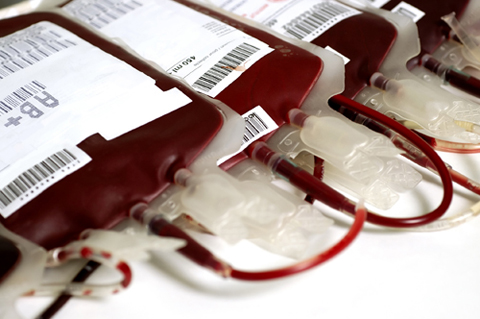
Jhapa, one of the eastern districts of Nepal, is experiencing a significant surge in blood demand, prompting health officials and social organizations to call for increased voluntary blood donations. The rising need for blood supplies has become a critical concern for hospitals and medical facilities across the district.
Rising Blood Demand in Jhapa
The demand for blood in Jhapa has increased substantially over the past few months, putting tremendous pressure on the existing blood banks and donation infrastructure. Medical professionals attribute this surge to multiple factors, including the growing number of surgical procedures, accident cases, and patients requiring regular blood transfusions for various medical conditions.
Local hospitals report that maintaining adequate blood inventory has become increasingly challenging. The situation demands immediate attention from the community to ensure that life-saving blood is available for those in need.
Factors Contributing to the Increased Need
Several factors are driving the rising blood demand in Jhapa:
- Road Accidents: The increase in vehicular traffic on highways has led to more accident cases requiring emergency blood transfusions.
- Chronic Disease Patients: Patients suffering from thalassemia, anemia, and other blood-related disorders need regular blood transfusions.
- Surgical Procedures: Major surgeries at hospitals across the district require substantial blood reserves.
- Maternal Health: Complicated childbirths sometimes necessitate blood transfusions, adding to the demand.
Call for Voluntary Blood Donors
Health authorities in Jhapa are urging healthy individuals to come forward and donate blood voluntarily. Blood donation is a safe process that takes only about 15-20 minutes and can save up to three lives with a single donation.
Various social organizations and youth groups in Jhapa have been organizing regular blood donation camps to address the shortage. These initiatives have received good response from the community, but more efforts are needed to meet the growing demand.
How You Can Help
If you are a healthy individual aged 18-65 years and meet the basic eligibility criteria, you can contribute to saving lives by:
- Participating in local blood donation camps organized in your community.
- Registering as a regular blood donor with local blood banks.
- Spreading awareness about the importance of voluntary blood donation.
- Encouraging friends and family to donate blood regularly.
Conclusion
The increasing demand for blood in Jhapa highlights the need for a sustained community effort to ensure adequate blood supplies. Every blood donation makes a difference and can help save someone’s life. By stepping forward to donate blood, residents of Jhapa can contribute to building a healthier and more resilient community. Organizations and individuals alike must work together to address this pressing healthcare need and ensure that no patient has to suffer due to blood shortage.

Comments are closed, but trackbacks and pingbacks are open.