

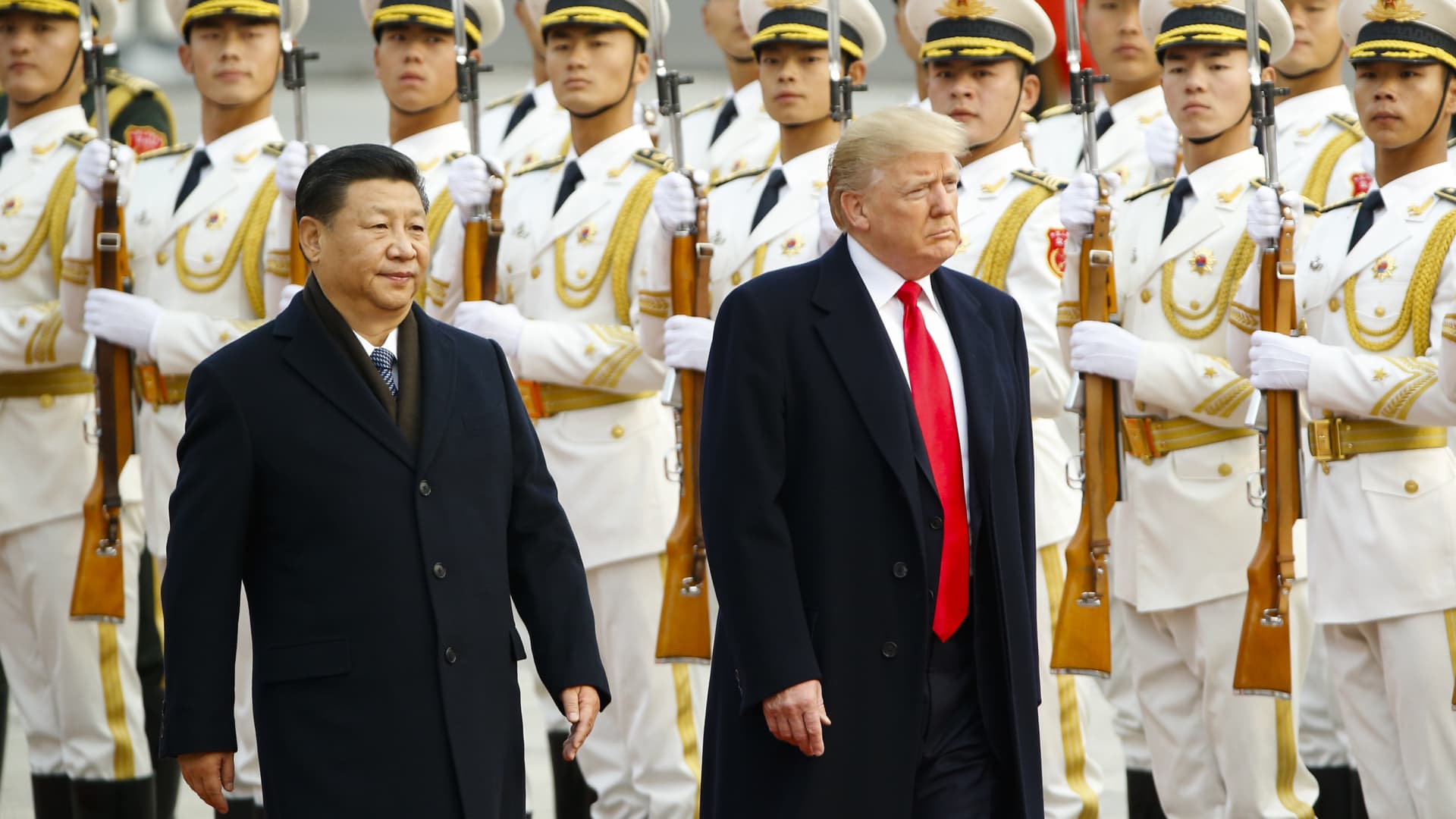
As the world watches the historic summit between former U.S. President Donald Trump and Chinese President Xi Jinping, a surprising agenda item has emerged: Iran. While the two leaders are expected to discuss trade, technology, and security, the inclusion of Iran could push back timelines on critical issues like tariffs and rare‑earth supply chains.
Why Iran Is Suddenly on the Table
Both the United States and China have strategic reasons for bringing Iran into the conversation:
- Geopolitical leverage: The U.S. hopes to use Chinese influence to press Tehran on its nuclear program.
- Energy market stability: China’s massive oil imports make Iranian sanctions a shared concern.
- Regional balance: A coordinated stance could reshape power dynamics in the Middle East.
Potential Impact on Tariff Negotiations
Trade talks have already been fraught with disagreements over automotive duties, steel tariffs, and intellectual‑property protections. Adding Iran to the mix may:
- Divert diplomatic bandwidth, slowing progress on tariff reductions.
- Introduce new bargaining chips, such as sanctions relief, that could be leveraged for lower duties.
- Escalate political pressure from Congress, which may demand tougher stances on both Iran and China.
What This Means for Businesses
Companies that rely on imported Chinese components should prepare for:
- Possible extensions of current tariff rates.
- Increased compliance costs related to sanctions screening.
- Supply‑chain disruptions if diplomatic talks stall.
Rare‑Earth Elements: A Parallel Concern
Rare‑earth minerals—critical for smartphones, electric vehicles, and defense systems—are dominated by Chinese production. The U.S. has been pushing for diversification, but progress is gradual.
If the Trump‑Xi summit shifts focus to Iran, discussions on rare‑earth cooperation could be postponed, leaving the United States more dependent on Chinese sources.
Key Risks for the Tech Sector
- Higher costs for batteries and semiconductors if alternative sources aren’t secured.
- Potential export‑control conflicts if rare‑earths become entangled in broader sanctions regimes.
- Delay in funding for domestic mining projects, slowing the green‑energy transition.
What Stakeholders Can Do Now
While diplomatic negotiations are out of most business leaders’ hands, proactive steps can mitigate risk:
- Audit supply chains: Identify any components sourced from China that are subject to tariffs or rare‑earth dependency.
- Explore alternative suppliers: Consider partners in Vietnam, India, or emerging African mines.
- Stay updated on sanction lists: Implement real‑time compliance tools to avoid costly violations.
- Advocate for policy clarity: Join industry coalitions that lobby for transparent timelines on tariff and rare‑earth negotiations.
Conclusion
The unexpected Iran focus at the Trump‑Xi summit highlights how geopolitics can quickly reshape trade priorities. Businesses that anticipate a possible slowdown in tariff talks and rare‑earth diversification will be better positioned to navigate the next wave of regulatory changes.

Comments are closed, but trackbacks and pingbacks are open.